Low Glycemic Breakfast for Diabetes: Foods That Keep Blood Sugar Stable
- Posted by Author
- Published on April 10, 2026
- Category Benefit
- No comments
Managing diabetes becomes easier when you choose the right foods—especially in the morning. A low glycemic breakfast for diabetes helps prevent sudden blood sugar spikes and provides steady energy throughout the day.
The glycemic index (GI) measures how quickly foods raise blood sugar levels. Choosing low-GI foods ensures slow digestion and better glucose control.
Why Low-Glycemic Breakfast Matters
Low glycemic foods release glucose slowly, which helps:
- Maintain stable blood sugar levels
- Reduce insulin spikes
- Improve energy and focus
- Support long-term diabetes management
For a complete meal guide, read Best Breakfast for Diabetes Patients
Best Low-Glycemic Breakfast Foods
1. Oats (Rolled or Steel-Cut)
- High in fiber
- Slows digestion
- Helps control sugar levels
Tip: Avoid instant oats with added sugar
2. Eggs
- Zero carbs
- High protein
- Keeps you full longer
3. Greek Yogurt (Unsweetened)
- High protein
- Low sugar
- Supports gut health
4. Nuts and Seeds
- Almonds, walnuts, chia, flaxseeds
- Rich in healthy fats
- Improve insulin sensitivity
5. Whole Grain Foods
- Multigrain bread, brown rice
- Better than refined carbs
- Provide steady energy
6. Fruits with Low GI
- Apples, berries, pears
- High fiber content
- Slower sugar absorption
7. Paneer & Tofu
- High protein
- Low carbohydrate
- Ideal for Indian diets
Quick Low-Glycemic Breakfast Ideas
- Oats + chia seeds + almonds
- Greek yogurt + berries
- Vegetable omelette + multigrain toast
- Paneer bhurji + roti
- Smoothie (no sugar, add protein)
- Sprouts salad
High GI Foods to Avoid
Avoid these in the morning:
- White bread
- Sugary cereals
- Fruit juices
- Pastries
- Processed snacks
These can cause rapid blood sugar spikes
Expert Insight
According to the American Diabetes Association, choosing low-glycemic foods, along with protein and fiber, helps maintain better blood sugar control.
Tips for Low GI Breakfast
- Combine carbs with protein
- Add fiber-rich foods
- Avoid added sugar
- Control portion sizes
- Stay hydrated
Conclusion
A low glycemic breakfast for diabetes is one of the best ways to maintain stable blood sugar levels and improve overall health. By choosing foods like oats, eggs, nuts, and yogurt, you can start your day with balanced energy and better control over your glucose levels.
Make smart breakfast choices daily for long-term diabetes management.
Low glycemic foods help prevent sudden sugar spikes and keep your energy steady.
Share on :
Related Blogs

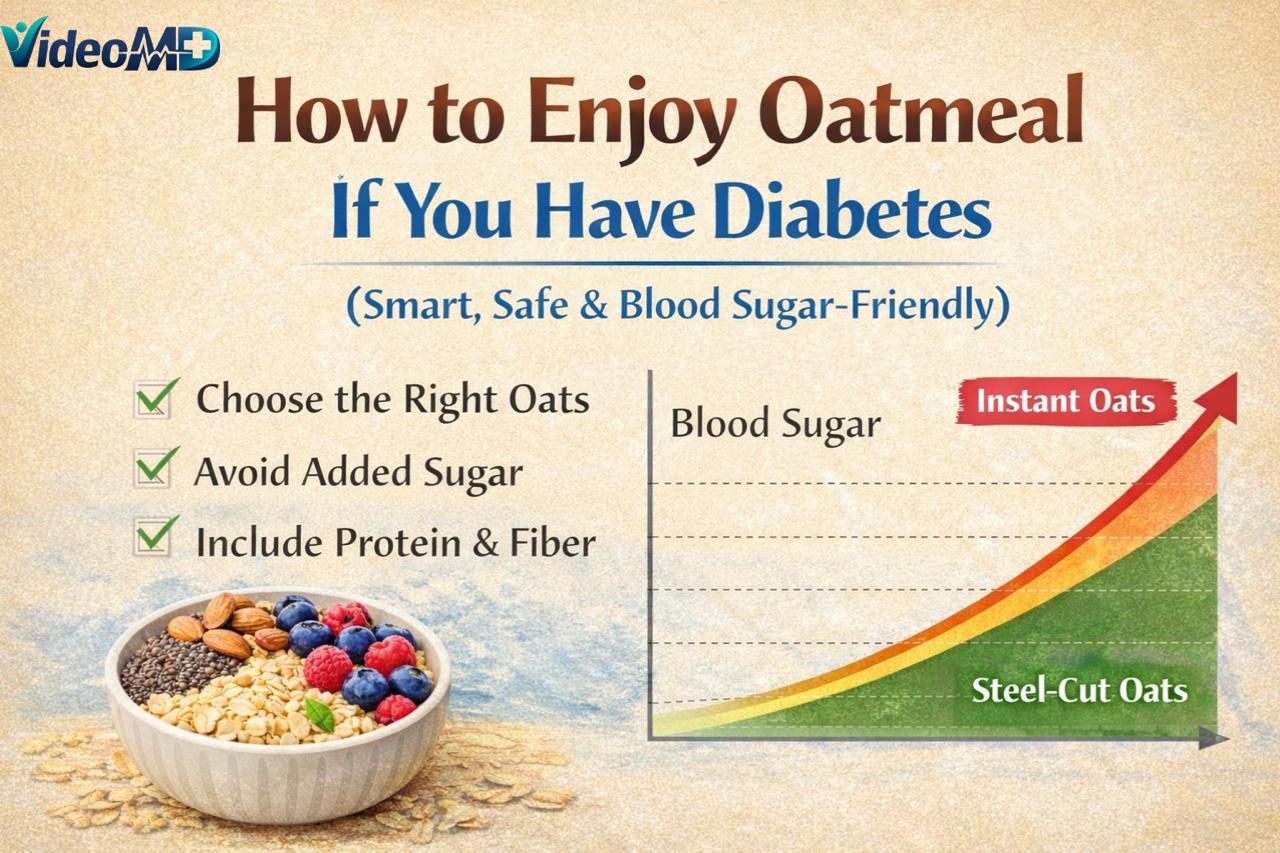
How to Enjoy Oatmeal If You Have Diabetes
Oatmeal is often recommended as a healthy breakfast—but if you have diabetes, you may wonder whether it’s actually safe.
The truth is, oatmeal can either stabilize your blood sugar or spike it, depending on how you prepare it.

Low Glycemic Breakfast for Diabetes: Foods That Keep Blood Sugar Stable
Managing diabetes becomes easier when you choose the right foods—especially in the morning. A low glycemic breakfast for diabetes helps prevent sudden blood sugar spikes and provides steady energy throughout the day.

Worst Breakfast Foods for Diabetes & Healthy Alternatives You Should Try
Breakfast plays a crucial role in managing diabetes. Choosing the wrong foods in the morning can lead to sudden blood sugar spikes, fatigue, and increased cravings throughout the day.

The Beginner’s Complete Guide: Workout Plans for Weight Loss That Actually Work
Get Started The Beginner’s Complete Guide: Workout Plans for Weight Loss That Actually Work Posted by yip Published on December 1, 2024 Category Benefit No comments Most people start their weight loss journey with a gym membership they never use. Here’s the truth: You don’t need fancy equipment, you need a simple plan that combines the right diet with beginner-friendly movement. Let’s make that happen. What Is a Beginner Workout Plan for Weight Loss? A beginner workout plan for weight loss is a structured, low-intensity

How Many Steps Do You Need Daily For Weight Loss? The Honest Answer
You’ve probably heard the popular goal, but here’s the truth nobody tells you: the “right” number of daily steps for weight loss is not the same for everyone,
Intermittent Fasting for Weight Loss: Benefits, Risks & Real Results
Get Started Intermittent Fasting for Weight Loss: Benefits, Risks & Real Results Posted by Author Published on December 1, 2024 Category Benefit No comments What if you could lose weight , not by changing what you eat, but simply by changing when you eat? That’s exactly the idea behind intermittent fasting, and millions of people are quietly making it work. What Is Intermittent Fasting? (And How Does It Work?) Intermittent fasting (IF) is an eating pattern that cycles between periods of eating and fasting. It
Video MD
Personalized Video Consultations