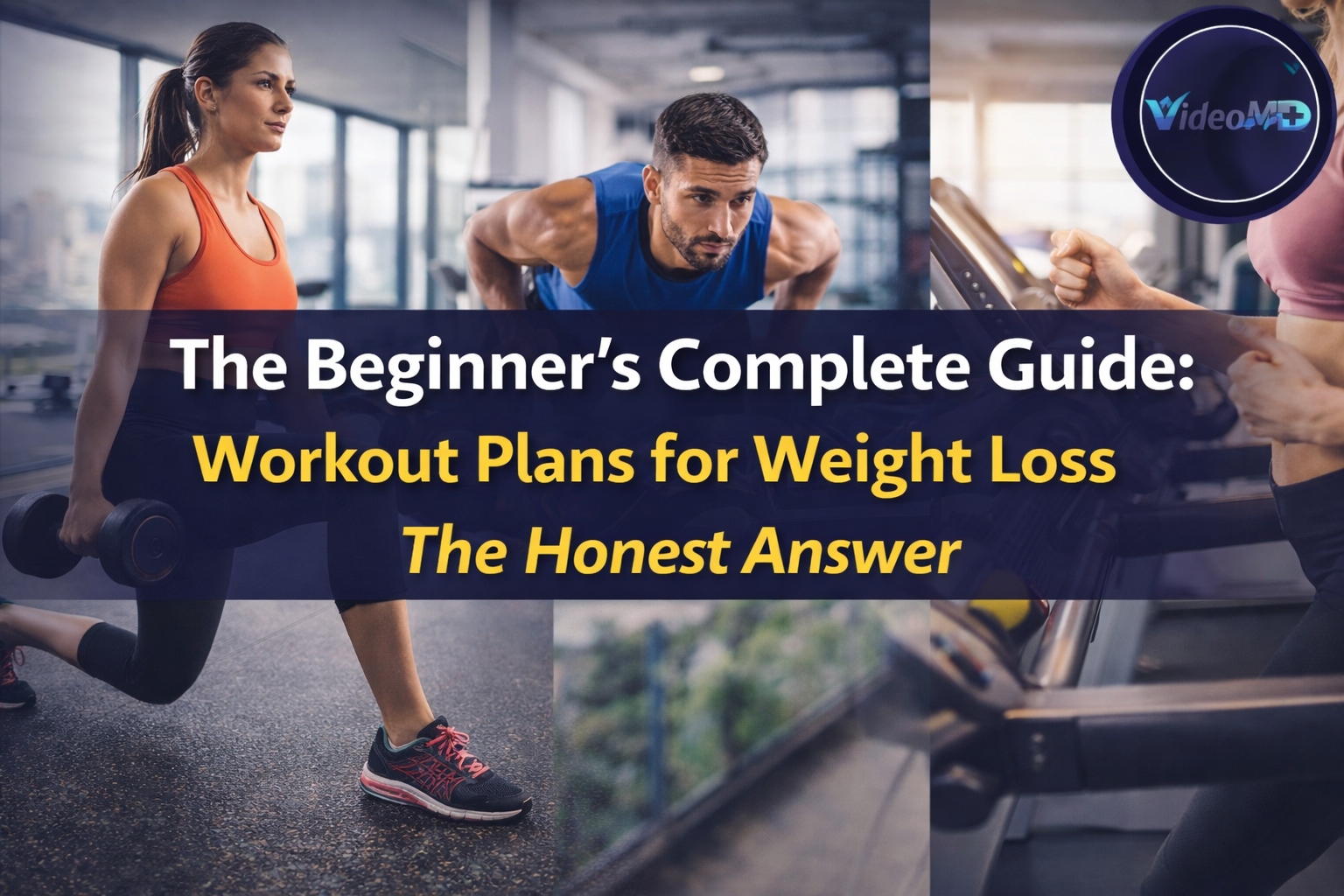
You’ve been hitting the gym every morning, but the scale just won’t budge. Sound familiar? The truth about weight loss might be simpler (and more surprising) than you think. For weight loss, diet has a greater impact than exercise alone. Creating a calorie deficit through food choices is the primary driver, but exercise supports fat loss, muscle retention, and long-term maintenance. The most effective approach combines both.
How Does Weight Loss Work?
It All Comes Down To Energy Balance
Weight loss happens when you burn more calories than you consume, that’s a calorie deficit. While that sounds simple, the way you create that deficit matters a lot for how sustainable and healthy your results are.
- Your body burns calories through your basal metabolic rate (BMR), daily movement, and digestion.
- Diet influences your calorie intake, the most controllable side of the equation.
- Exercise influences calorie burn, but less than most people assume.
- Genetics, sleep, stress, and hormones also play a real role in how your body loses weight
Is Diet Or Exercise More Important
You Can’t Out-run A Bad Diet
This isn’t just a gym cliché. It’s genuinely hard to burn off excess calories through exercise alone. Think of it this way: a 30-minute run burns roughly the same calories as a handful of nuts and a slice of bread. That’s not a criticism of running; it’s just math.
- Cutting calories through food is faster and more efficient than burning them through exercise
- Processed foods, liquid calories, and hidden sugars can quietly undo hours of effort at the gym
- Protein-rich, whole food diets keep you fuller longer, naturally reducing overeating
- Reducing ultra-processed food alone has been shown to support weight loss significantly
- Mindful eating and portion control often produce faster results than cardio routines
Think of it like a leaking bucket. Exercise is pouring water in, but if your diet has holes, you’ll never fill it up. Fix the bucket first.
Benefits Of Exercise For Weight Loss
Exercise Does More Than Burn Calories
Here’s where most people miss the point about exercise, its value for weightloss goes far beyond what the treadmill tells you about calories burned.
- Strength training builds muscle, which increases your resting metabolic rate over time
- Exercise regulates hunger hormones like ghrelin and leptin, reducing cravings
- Regular movement improves insulin sensitivity, helping your body use stored fat more efficiently
- Exercise is the single best predictor of keeping weight off long-term
- It improves mood, reduces stress eating, and boosts sleep, all of which affect your weight
Cardio Or Weights For Weight Loss
This is one of the most-searched weightloss questions, and the answer isn’t one-size-fits-all.
- Cardio (running, cycling, swimming): burns calories in the moment, great for heart health and mood
- Strength training: builds muscle that burns more calories at rest, better for long-term fat loss
- HIIT (High-Intensity Interval Training): combines both benefits in less time, shown to be highly effective for fat reduction
- The best workout is the one you’ll actually do consistently; adherence beats optimisation every time
- Combining cardio and strength training gives you the broadest benefits for weightloss and health
Why Am I Not Losing Weight
If you’re doing everything “right” and still not losing weight, one of these is probably the culprit:
- Underestimating calorie intake, especially from drinks, sauces, and “healthy” snacks
- Compensating for exercise by eating more (“I earned this”)
- Not eating enough protein leads to muscle loss and increased hunger
- Overtraining without recovery , chronic stress raises cortisol, which promotes fat storage
- Poor sleep, even two nights of bad sleep, can increase hunger and slow metabolism
- Setting unrealistic goals and quitting before results appear (most real changes take 8–12 weeks)
You can read more about some of the common weight loss mistakes here.
The Winning Combination: Diet + Exercise Together
You Need the Best Weightloss Strategy For Lasting Results
The research is detailed, and people who combine dietary changes with regular exercise lose more weight and keep it off longer than those who rely on one or the other alone.
- Diet creates the calorie deficit needed for weightloss
- Exercise preserves muscle while you lose fat, keeping your metabolism strong
- Together, they create a lifestyle shift rather than a crash diet cycle
- Habit stacking, pairing healthy eating cues with exercise routines, makes both easier to maintain
- Small, consistent changes in both areas outperform extreme measures every single time
A simple daily formula: Eat mostly whole foods, control portions, move your body for at least 30 minutes, and prioritise sleep. That’s genuinely it, no gimmick required.
How to Start Your Weightloss Journey Today
How To Start Losing Weight
- Track what you eat for one week, just awareness, no restriction yet
- Swap one ultra-processed meal per day with a whole food alternative
- Start with 20–30 minutes of walking daily, it’s underrated and sustainable
- Add 2 strength training sessions per week to protect muscle as you lose fat
- Drink enough water; thirst is often mistaken for hunger
- Get 7–9 hours of sleep; it’s not optional, it’s part of the plan
- Be patient. Healthy weightloss is slow by design, and that’s a good thing