You grab your phone as soon as you wake up, and before you’ve even had a cup of coffee, you’ve already read three emails, scrolled through unfavourable news, and silently fretted about the day. Does that sound familiar? Your neurological system may be silently calling for assistance, but you’re not broken.
What Is Digital-Age Anxiety, Really?
This isn’t your grandparents’ anxiety; it’s a new type. It’s the group chat that never sleeps, the boss who emails at 11 PM, the constant scroll through social media makes everyone else’s life look perfect, and yours feels like a mess.
Common Signs To Watch For:
Checking your phone compulsively, even when nothing’s wrong
Feeling “on edge” without a clear reason
Trouble sleeping despite feeling exhausted
Irritability or emotional flatness after screen time
Physical tension, jaw clenching, tight shoulders, racing heart
Why Adults Are Getting Hit the Hardest
Adults are the first generation to grow up alongside the internet and then watch it explode into something unrecognizable. You’re managing student debt, a gig economy, and a housing crisis, all while performing productivity on LinkedIn.
It’s not a weakness. It’s an overloaded system running on empty, and it deserves real attention.
The Barrier Nobody Talks About: Getting Help Is Too Hard
Here’s the cruel satire: when you’re anxious and burned out, the last thing you have energy for is navigating a healthcare system. Booking a traditional appointment means phone calls, waiting rooms, time off work, and often weeks of delay.
What Gets In The Way:
- Long wait times for in-person mental health professionals
- Cost and lack of insurance clarity
- Stigma, still real, still keeping people silent
- Simply not having the bandwidth to “deal with it right now”
What Is a Virtual Doctor Appointment, and Can It Actually Help?
Yes. Genuinely. A virtual doctor appointment connects you with a licensed physician or therapist through a secure video call, phone, or chat, from wherever you happen to be sitting right now.
What You Can Actually Do Through Telehealth Services:
- Talk through anxiety symptoms with a qualified professional
- Get a proper diagnosis without the waiting-room dread
- Receive a prescription or referral if needed
- Access therapy sessions on a schedule that fits your life
- Follow up on existing treatment plans without leaving your house
Why An Online Doctor Consultation Works For Anxiety Specifically:
- Familiar environment reduces the stress of the appointment itself
- No commute means no added anxiety trigger before you even begin
- Flexible scheduling, including evenings and weekends
- Privacy, you don’t run into anyone in a waiting room
24 Hour Immediate Care, Because Anxiety Doesn't Wait for Office Hours
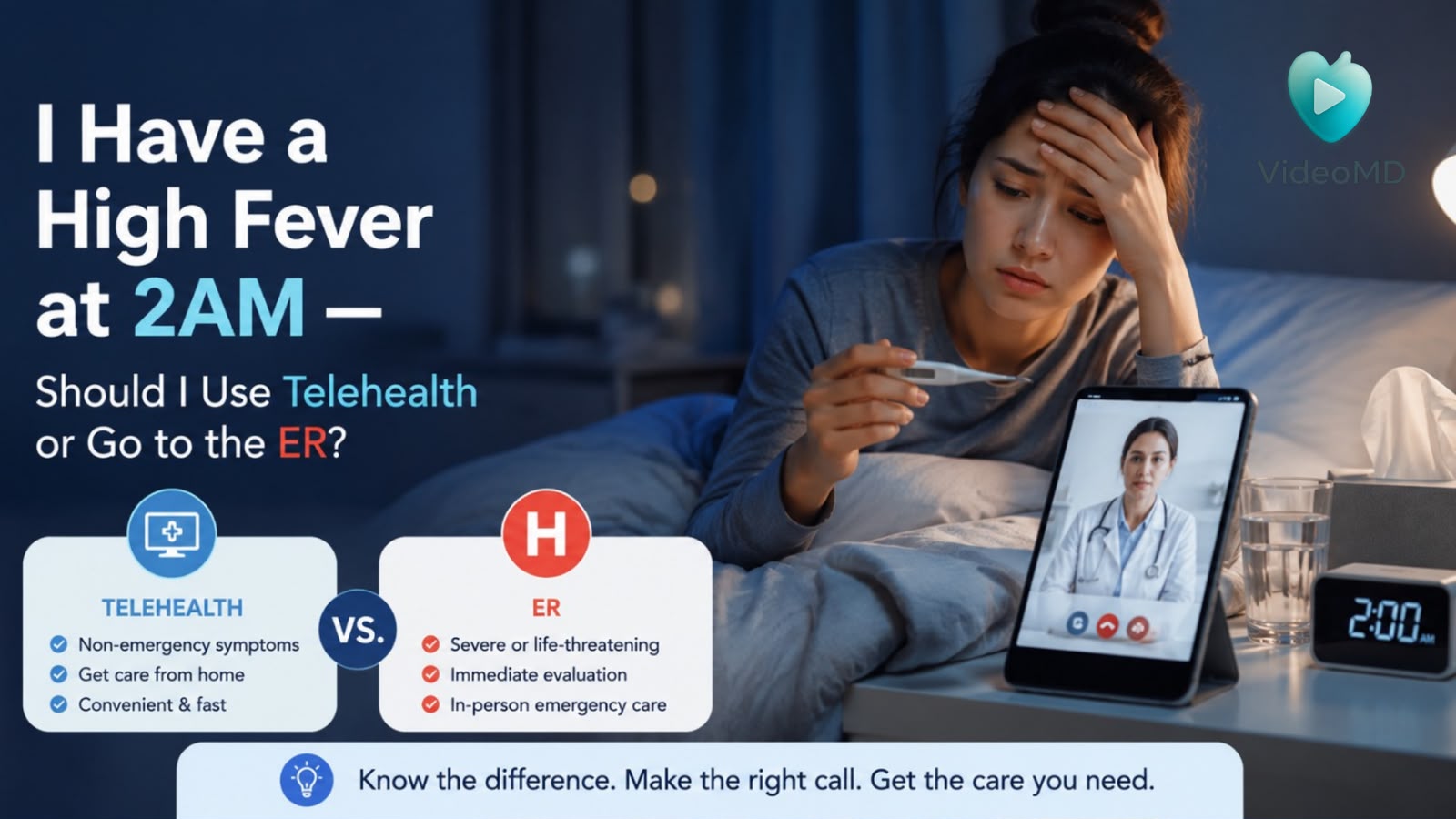
Anxiety has a mean habit of peaking at 2 AM. Telemedicine services and 24-hour immediate care platforms mean that when the spiral starts, help isn’t hours away; it can be minutes.
- On-demand mental health support available around the clock
- Crisis de-escalation without the chaos of an ER visit
- Immediate triage to determine whether medication, therapy, or just a calm conversation is what you need right now
- Text or chat options if speaking feels like too much in the moment
Think of it like having a calm, knowledgeable friend available whenever the noise gets too loud, except they’re actually licensed and accountable.
How to Make Telehealth Services Work for Your Mental Health
A telehealth anxiety appointment is only useful if you actually show up to it, so here’s how to make it stick.
Before Your Appointment:
- Write down your three biggest anxiety triggers this week
- Note how long symptoms have been showing up and how often
- Have your current medications (if any) ready to reference
- Find a quiet spot, earphones help if you share a space
During Your Online Doctor Consultation:
- Be direct, you don’t need to minimise or soften what you’re feeling
- Ask specifically about therapy options versus medication
- Request a follow-up if one session doesn’t feel like enough
Simple Daily Habits That Actually Reduce Anxiety
While professional help is the most important step, daily habits can meaningfully reduce the background noise of anxiety.
- Set a phone-free first 30 minutes after waking up, no news, no notifications
- Schedule “off” time as seriously as you schedule meetings
- Move your body, even a 15-minute walk shifts your nervous system
- Limit doom-scrolling with app timers or greyscale mode
- Say no to things that drain you with zero guilt
- Talk to someone, and if that someone needs to be a doctor, book the telehealth appointment
You Don't Have to Wait for Anxiety to Get Worse Before Getting Help
A virtual doctor appointment takes less time than watching an episode of whatever you’re currently binging. Telemedicine services have made accessing mental health support genuinely simple, no commute, no waiting room, no judgment. The first step is always the hardest, but it’s also the most important.
Book your telehealth appointment today. Your future self will be glad you did. Book a virtual consultation with video-md.com