
What Is Telehealth for Diabetes? A Complete Beginner's Guide
- Posted by Video-MD Editorial Team
- Published on May 14, 2026
- Category Benefit
- No comments
Telehealth for Diabetes: The Simple Definition
Telehealth for diabetes is healthcare for people with diabetes delivered through digital technology — primarily secure video calls, mobile apps, and remote monitoring devices — rather than in-person clinic visits.
It allows you to consult board-certified endocrinologists, diabetes educators, and dietitians from your home, workplace, or anywhere with an internet connection. The doctor sees you; you see them; notes get made; prescriptions get sent — the full medical encounter, minus the commute.
What Happens During a Virtual Diabetes Appointment?
A telehealth diabetes visit follows the same clinical structure as an in-person one. You’ll check in through a secure platform, your care provider will review your recent glucose data (often pulled directly from your continuous glucose monitor), and you’ll discuss symptoms, medication, lifestyle, and any concerns.
If your CGM syncs with the platform, your doctor may already have reviewed your two-week trend before the call even begins — which often means a more focused, productive conversation than a rushed clinic slot.
Who Is Virtual Diabetes Care Best Suited For?
- People with type 1 or type 2 diabetes who already have a diagnosis and need ongoing management
- Patients in rural or remote areas without easy access to endocrinology specialists
- Working adults who struggle to take time off for clinic appointments
- Elderly or mobility-limited patients who find travel difficult
- Anyone who wants more frequent, lower-friction access to their care team
What Does Telehealth for Diabetes NOT Replace?
Virtual care is powerful but not omnipotent. Annual foot examinations, in-person retinal screenings, and physical assessments for neuropathy still benefit from face-to-face visits. Skilled telehealth providers will always tell you when a physical visit is warranted rather than attempting everything remotely.
How Do I Get Started?
Getting started is easier than most people expect. You’ll typically need a device with a camera (smartphone, tablet, or laptop), a stable internet connection, and any recent lab results or CGM data you can share. From there, it’s as simple as booking an appointment.
Connect with a Specialist on Video-MD
Video-MD connects new and existing diabetes patients with board-certified endocrinologists for same-week video consultations. Book your first appointment in minutes at video-md.com — no referral required.
GOOD TO KNOW Most telehealth platforms — including Video-MD — operate as a complement to, not a replacement for, your existing primary care relationship. Your virtual diabetes specialist can coordinate with your GP or local clinic. |
Related Blogs

Ozempic for Weight Loss: What It Really Does to Your Body
Everyone seems to be talking about Ozempic, but is it the real deal, or just another overhyped shortcut dressed up as a medical breakthrough

Natural Weight Loss vs Medical Weight Loss: Which Diet Path Is Actually Right for You?
You’ve cleaned up your diet, cut back on sugar, started walking every day, and the scale still hasn’t moved the way you hoped.

Online Weight Loss Consultations: Do They Really Work for Your Diet?
You’ve tried the diets, the apps, and maybe even the fad detoxes , but what if the real missing piece was a real person guiding your weight loss
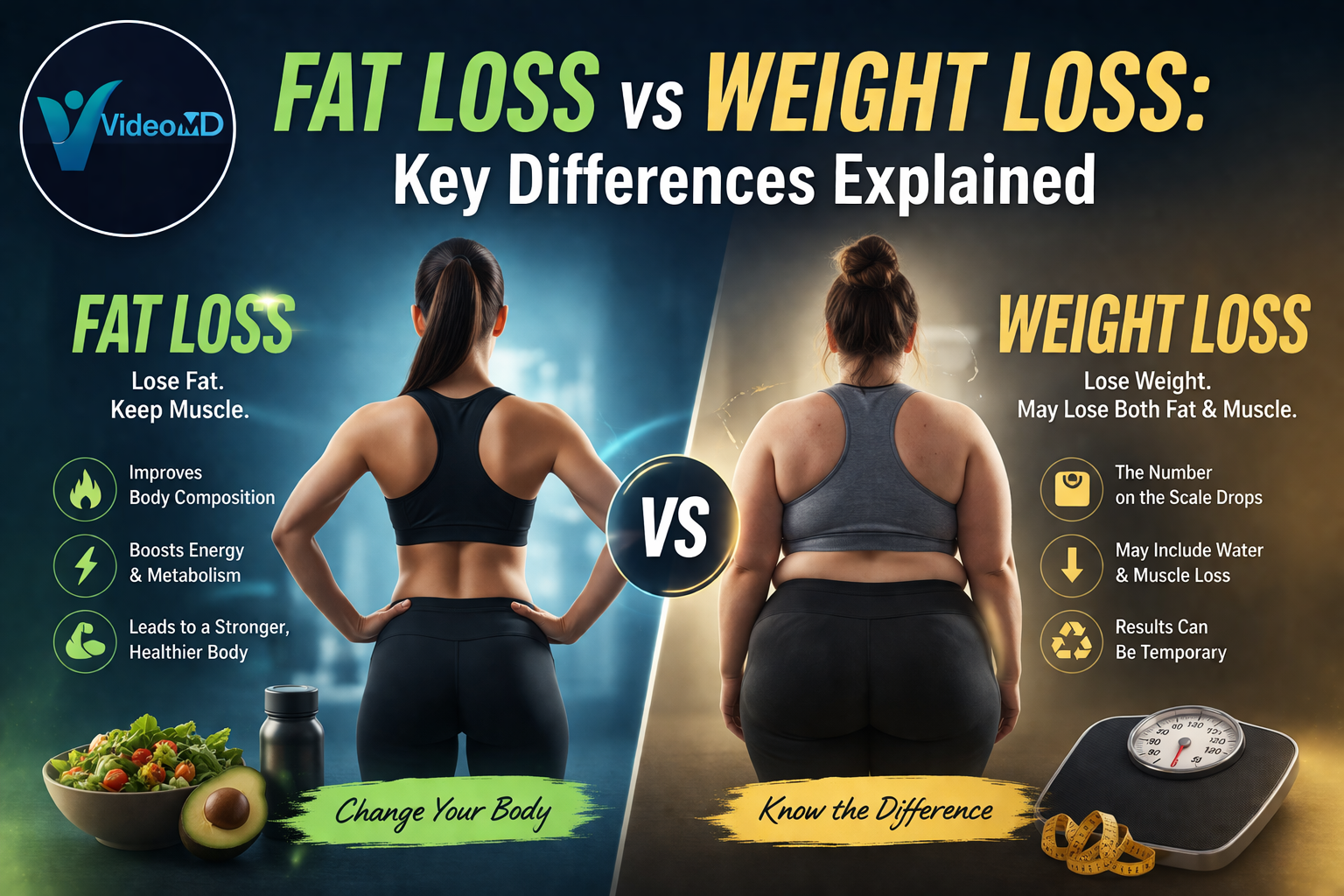
The Main Distinctions Between Weight Loss and Fat Loss
Most people step on a scale and think losing weight is the goal, but what if the scale is actually lying to you? Understanding the difference between
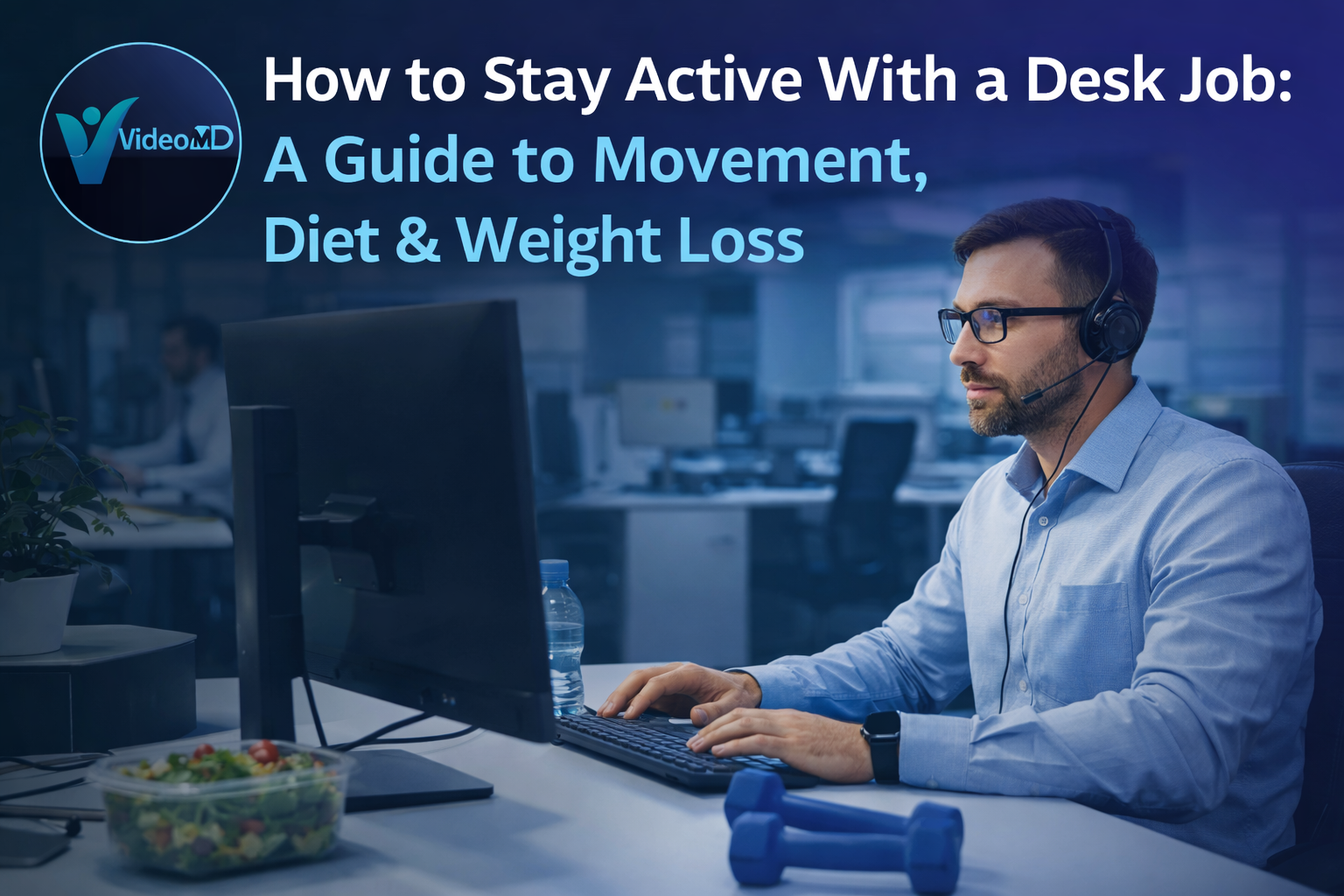
How to Maintain an Active Lifestyle While Working at a Desk: An Overview of Diet, Exercise, and Weight Loss
Most of us don’t realise that sitting for eight hours straight is doing more damage than one gym session can undo. But here’s the thing,
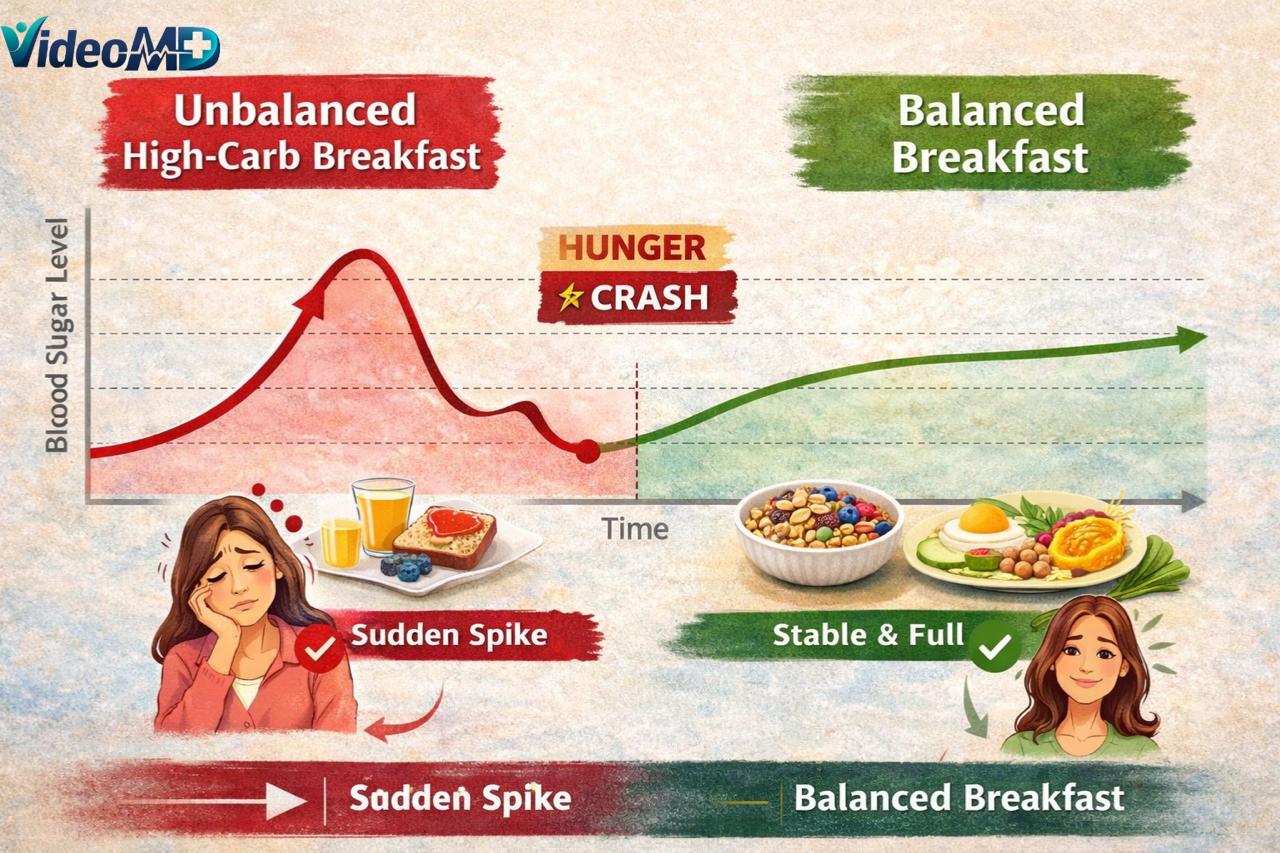
Why You Feel Hungry After Breakfast If You Have Diabetes
You just ate breakfast…
But within 1–2 hours, you’re hungry again.
Sound familiar?
If you have diabetes, this isn’t just about hunger—
it’s often a sign that your blood sugar is rising and crashing too quickly.
Video MD
Personalized Video Consultations