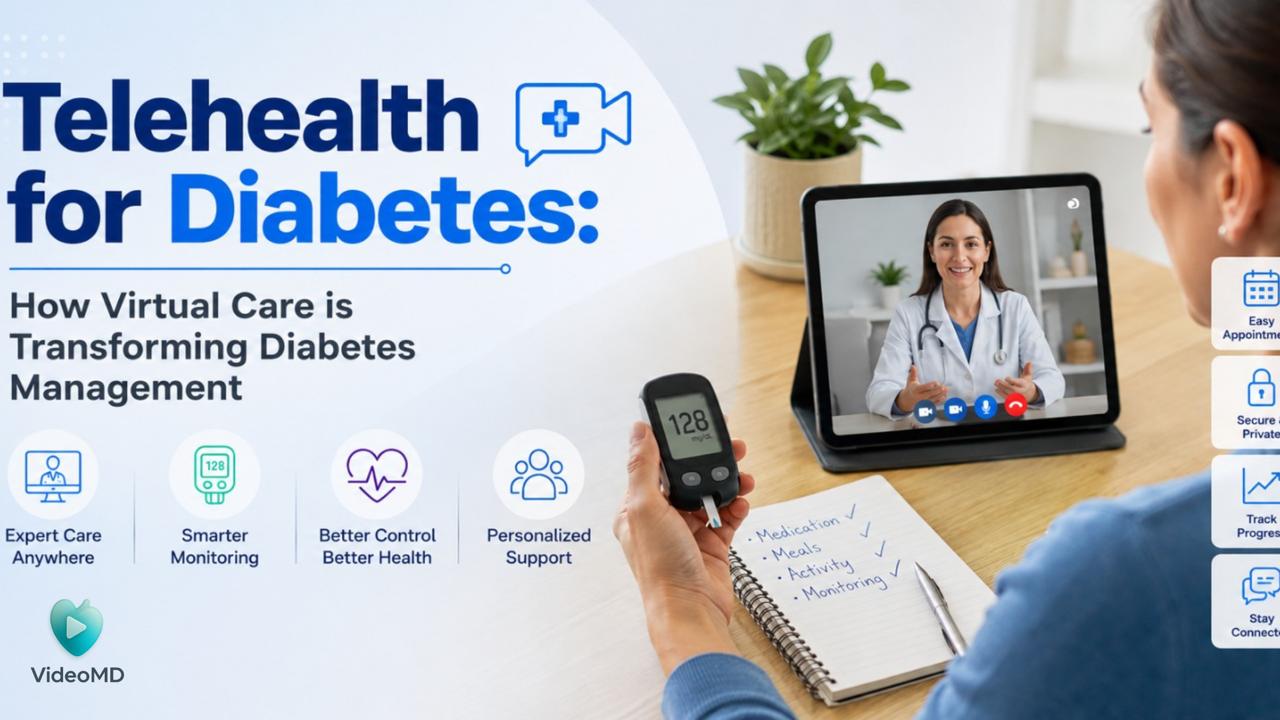
Telehealth has transformed how families access healthcare, making it easier than ever to connect with paediatricians without leaving home. As more parents seek convenient and reliable medical care for their children, telehealth for children pediatrics has become an essential healthcare solution.
Whether your child has a minor illness, needs follow-up care, or requires ongoing management for a chronic condition, pediatric telehealth offers quick access to qualified healthcare professionals through secure virtual visits.
In this guide, we’ll explain what pediatric telehealth is, how it works, its benefits, and what parents can expect during a virtual appointment.
What Is Pediatric Telehealth?
The use of digital technology to remotely deliver medical treatment to newborns, kids, and teenagers is known as pediatric telehealth.
Through video calls, phone consultations, secure messaging, and online health platforms, paediatricians can evaluate symptoms, diagnose certain conditions, recommend treatments, and provide medical guidance without requiring an in-person visit.
Common Telehealth Services for Children
- Virtual sick visits
- Medication management
- Follow-up appointments
- Behavioral health consultations
- Nutrition counseling
- Developmental assessments
- Allergy management
- Skin condition evaluations
- Parent education and support
How Does Pediatric Telehealth Work?
The telehealth process is designed to be done in simple steps and is convenient for busy families. Explore telehealth for children’s paediatrics
Step 1: Schedule an Appointment
Parents can:
- Book online through a healthcare portal
- Call a pediatric telehealth provider
- Request same-day virtual visits for urgent concerns
Step 2: Prepare for the Visit
Before the appointment:
- Gather your child’s medical history
- Make a list of symptoms
- Have medications available
- Check your internet connection
- Find a quiet, well-lit space
Step 3: Connect with the Paediatrician
During the visit, the provider may:
- Ask about symptoms
- Review medical history
- Observe visible signs
- Guide parents through basic assessments
- Recommend treatment options
Step 4: Receive Care Recommendations
The paediatrician may:
- Provide home care instructions
- Recommend over-the-counter medications
- Send prescriptions when appropriate
- Schedule follow-up care
- Recommend an in-person evaluation if needed
Conditions Commonly Treated Through Pediatric Telehealth
Many non-emergency childhood health concerns can be addressed virtually.
Minor Illnesses
- Common cold
- Flu symptoms
- Sore throat
- Fever
- Ear pain
- Mild stomach issues
Skin Conditions
- Rashes
- Eczema
- Acne
- Insect bites
- Minor allergic reactions
Ongoing Health Management
- Asthma monitoring
- ADHD follow-ups
- Allergy management
- Behavioral health support
Benefits of Telehealth for Children and Parents
Convenience
Parents can:
- Avoid travel time
- Reduce waiting room exposure
- Schedule appointments more easily
Faster Access to Care
Many providers offer:
- Same-day appointments
- Extended hours
- Weekend availability
Reduced Exposure to Illness
Virtual visits help limit contact with contagious illnesses in healthcare settings.
Better Continuity of Care
Children with chronic conditions can maintain regular communication with healthcare providers from home.
What Parents Should Have Ready Before a Virtual Visit
To ensure a successful appointment:
Preparation Checklist
✔ Child’s insurance information
✔ Current medications
✔ Thermometer readings
✔ Symptom notes
✔ Questions for the doctor
✔ Device with camera and microphone
Helpful Items
- Flashlight for throat checks
- Recent weight measurement
- Water and tissues nearby
When Is an In-Person Visit Better?
Although telehealth is highly effective, some situations require physical examination.
Seek In-Person Care For:
- Serious injuries
- Difficulty breathing
- Severe dehydration
- High-risk infections
- Diagnostic imaging needs
- Emergency medical situations
Practical Takeaways for Parents
- Telehealth offers convenient access to pediatric care.
- Many common childhood illnesses can be managed virtually.
- Proper preparation improves appointment quality.
- Virtual care reduces travel and waiting times.
- Emergency situations still require immediate in-person care.