What are the Best and Worst Foods to Balance Blood Sugar?
- Posted by yip
- Published on December 1, 2024
- Category Benefit
- No comments
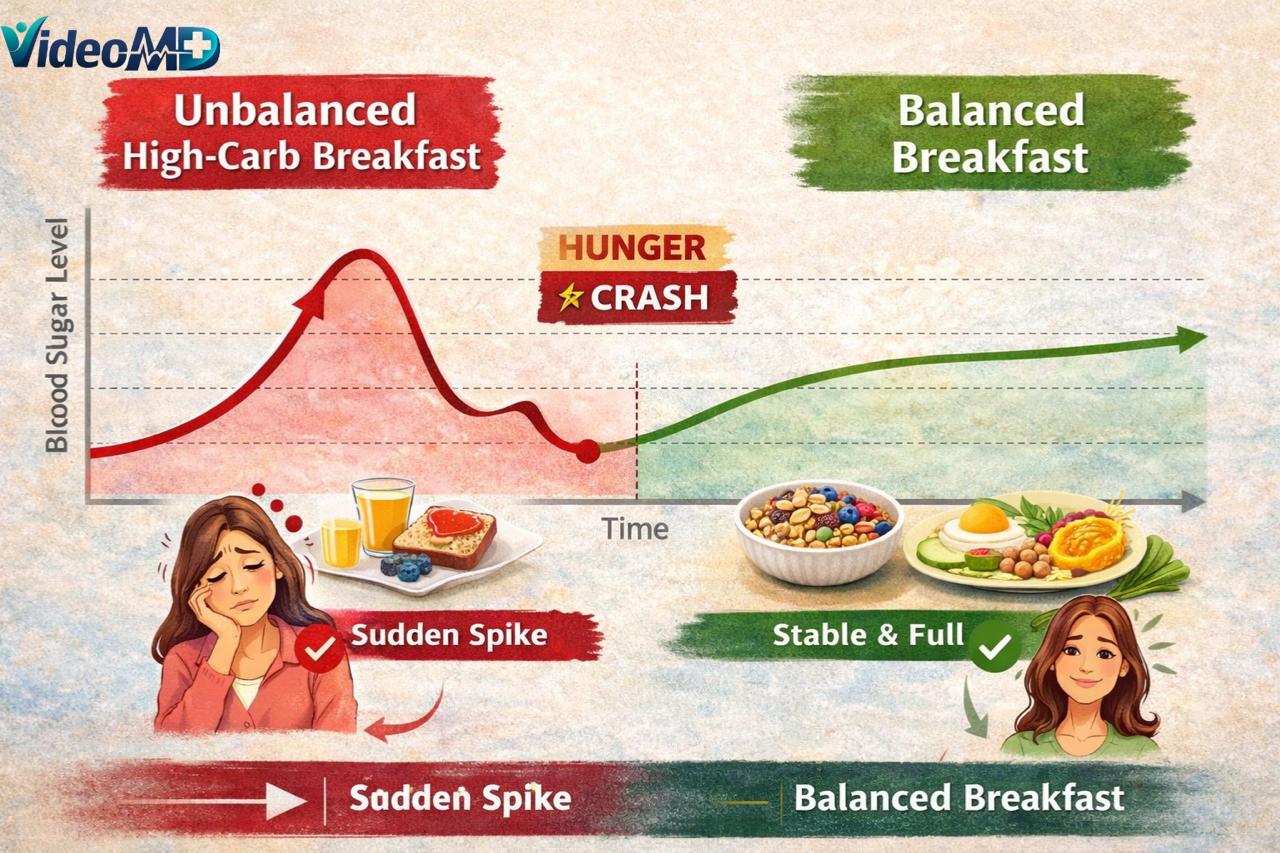
Regulating blood sugar is not only necessary for people with diabetes, but it also influences activity levels, mood, metabolism, and long-term health. The food you eat day in, day out will either help maintain the glucose level or will cause instant surges and falls.
Knowing which foods help maintain stable blood sugar and which ones interfere with it makes further management of your condition much easier.
The importance of blood sugar balance
Eating carbohydrates, they are broken down into glucose and enter your blood. Insulin is released by your body to assist in transporting that glucose to the cells to generate energy. The issue presents itself when this system gets overwhelmed, and it happens to be most of the time caused by highly processed food, too much sugar, or eating habits which are not so regular.
Stable blood sugar helps:
- Maintain steady energy
- Reduce cravings
- Support heart health
- Improve focus
- Lower risk of diabetes complications
According to the American Diabetes Association, balanced meals with fiber, protein, and healthy fats are key to better glucose control.
Best Foods for Balancing Blood Sugar
These foods digest slowly and reduce sudden spikes.
1. Leafy Greens
Spinach, kale, and other greens are low in carbohydrates but rich in fiber and magnesium. They have minimal impact on blood glucose and support insulin function.
2. Whole Grains
Oats, quinoa, brown rice, and millet contain fiber that slows digestion and glucose absorption.
The Centers for Disease Control and Prevention recommends choosing whole grains over refined options to help stabilize blood sugar levels.
3. Legumes
Lentils, chickpeas, black beans, and kidney beans provide plant protein and soluble fiber, making them excellent for gradual glucose release.
4. Nuts and Seeds
Almonds, walnuts, chia seeds, and flaxseeds combine protein, fiber, and healthy fats—a powerful combination for preventing sugar spikes.
5. Fatty Fish
Salmon and sardines are also sources of omega-3 fatty acids, which make inflammation less common and the heart healthier, which is one of the greatest concerns among people with diabetes.
6. Greek Yogurt (Unsweetened)
High in protein and low in sugar, unsweetened yogurt helps slow carbohydrate digestion and improves satiety.
Healthy fats help steady the sugar waves.
Worst Foods for Blood Sugar Spikes
These foods digest quickly and can cause rapid increases in glucose.
1. Sugary Beverages
Sodas, sweetened teas, and energy drinks deliver large amounts of sugar without fiber or protein to slow absorption.
2. Refined White Bread and Pasta
Highly processed grains lack fiber and are digested quickly, causing sharp glucose rises.
3. Pastries and Sweets
Refined carbs and unhealthy fats are combined in cakes, cookies, and donuts, a two-fold effect on the blood sugar level.
4. Packaged Snack Foods
Chips, crackers, and processed snacks often contain refined flour and added sugars.
5. Sweetened Breakfast Cereals
Many cereals marketed as “healthy” are loaded with added sugars that spike blood glucose first thing in the morning.
Smart Tips for Better Blood Sugar Control
- Pair carbs with protein or healthy fats
- Avoid skipping meals
- Choose high-fiber options
- Read nutrition labels carefully
- Monitor your glucose response to new foods
The Mayo Clinic emphasizes portion control and balanced meals as essential strategies for managing diabetes effectively.
When to Seek Medical Guidance
In case the blood sugar levels remain elevated even with the improvements in the diet, one might need to consult a medical professional. Individualized instructions guarantee a secure modification in medication and durability.
Video-MD is an online health care system that is linked to licensed doctors and patients to have an easy time consulting the doctor online. Virtual visits can simplify the management of diabetes, such as checking blood sugar levels, prescribing medications, and offering dietary recommendations, which is the reason they can be so convenient and reliable, without unneeded time wastage.
Conclusion
The trick to keeping blood sugar levels balanced does not involve any extreme dieting, but it does involve better food choices. Pay attention to whole and high-fiber foods and reduce intake of highly processed and sugar-containing products. There are minor changes that can be made daily to achieve stability and good health in the long run.
Nutrition is one of the strongest means of managing blood sugar when it is paired with frequent monitoring and the advice from a professional.
Share on :
Related Blogs

Causes of Acne & How to Treat It Effectively,
Get Started Causes of Acne & How to Treat It Effectively Posted by Author Published on December 1, 2024 Category Benefit No comments You’re in your late twenties, eating reasonably well, washing your face every night, and somehow still waking up to a new breakout on your chin like clockwork. If you thought acne was something you’d age out of by now, your skin has news for you. The truth is, acne in adults is far more common than anyone talks about, and it’s almost

How Online Dermatology Is Finally Changing Eczema Care
You’re mid-flare, your skin is on fire, and the earliest dermatologist appointment you can find is five weeks away,

How AI Predicts Blood Sugar Changes Before They Become Dangerous
Early detection of blood sugar changes is critical to the successful management of diabetes. Artificial intelligence (AI) is currently changing the process of managing diabetes by forecasting glucose changes before they escalate to dangerous threats to health.

How Remote Patient Monitoring Helps Control Blood Sugar Levels at Home
Effective management of diabetes involves regular checkups, medical advice, and lifestyle changes. With the advent of Remote Patient Monitoring (RPM) technology, patients are now able to monitor their blood sugar levels at home and have continuous communication with their healthcare providers without necessarily going to healthcare institutions.

Online Dermatology vs Traditional Visits: Which Is Worth Your Time and Money?
You noticed something off with your skin three weeks ago, Googled it (bad idea), panicked a little, and then discovered the

Smart Diabetes Care Without Clinic Visits Using Video-MD
The management of diabetes has to be done without visiting the hospital regularly. Due to the progress of telehealth technology, patients are now able to measure blood sugar levels, meet with doctors, and modify treatment plans from the comfort of their home.
Video MD
Personalized Video Consultations