What are symptoms of diabetes during pregnancy
- Posted by yip
- Published on December 1, 2024
- Category Benefit
- No comments
Pregnancy brings many changes to the body — some expected, some confusing. Fatigue, frequent urination, and increased appetite are often considered “normal” parts of pregnancy. However, in some cases, these symptoms may point to diabetes during pregnancy, also known as gestational diabetes.
Understanding the symptoms early is important because untreated diabetes during pregnancy can affect both the mother and the baby. Let’s break it down clearly and honestly.
What Is Diabetes During Pregnancy?
Diabetes during pregnancy happens when the body cannot properly regulate blood sugar levels. This usually develops in the second or third trimester and often disappears after delivery — but it still requires close medical attention.
It can occur even if you had no history of diabetes before pregnancy.
Why Symptoms Are Often Missed
One reason gestational diabetes is tricky is that many symptoms overlap with normal pregnancy changes. Because of this, some women don’t notice anything unusual at all, which is why routine screening tests are so important.
Still, there are warning signs you shouldn’t ignore.
Common Symptoms of Diabetes During Pregnancy
- Not only pregnancy thirsty, but always in need of water and never satisfied. You are urinating more than normal Yes, pregnancy already does the same—but diabetes may cause it to be excessive, particularly at night.
- You are tired all the time This is not the typical “I need to freshen up” feeling of tired. It is more cumbersome, as though you have no returned energy.
- Your vision is blurred Sometimes sight becomes blurred with changes in the level of sugar.
- You get hungry again immediately after you eat Even full meals do not appear to satisfy you.
- You continue to have infections A repeated UTI or yeast infection is a frequent but not well-known manifestation.
The symptoms, which you should not overlook, These are not experienced by all people, but they are important: The feeling of lightheadedness or being dizzy Nausea with weakness Sometimes cuts or skin irritation take longer to heal than usual, with the feeling of discomfort during pregnancy.
- Who stands in a better position to develop it? You might be more likely to have it when: Diabetes is in your family history You had gestational diabetes in the past.
- You have PCOS You are over 25 You have gained more weight than expected during pregnancy That being said – there are still many examples of women without factors that put them at higher risk developing it. Still, how doctors actually diagnose it A glucose test is performed in 24-28 weeks of pregnancy on most women. It is normal, harmless, and by all accounts one of the most significant tests in pregnancy. Nowadays, numerous women speak about the symptoms, reports, and the next steps using online doctor consultation, which contributes to eliminating stress and waiting time.
Why it is better to catch it early?
The longer the blood sugar remains high, the more likely it is to cause: A bigger-than-average birth weight Complicated child birth or C-section High blood pressure in the pregnancy Low newborn blood sugar Levels after birth The good news is. When adequately taken care of, most women proceed to deliver a fully healthy pregnancy. How it is normally treated In most cases, treatment is straight forward and can be managed: checking blood sugar at home Adapting food and size of meals Light exercise such as walking around Metformin or insulin is only necessary on a regular basis; frequent visits to the clinic to keep things under control are done via telehealth appointments.
Final Thought
When is it time to visit a doctor Not to wait if: Something does not work you think something is wrong with it in addition to the normal symptoms of pregnancy You feel weak, dizzy or unwell multiple times Your test results are questionable or high An online doctor visit will help you make a decision about what to do next and make it fast and easy. Last words Diabetes in pregnancy is not just a result of something that you did wrong. And it does not imply that your pregnancy will be challenging and risky. It only means that your body requires a bit of additional support at this moment. Be a good listener, ask questions, not to ignore the symptoms that are not normal to you. At a young age, everything counts – to you and your child.
Share on :
Related Blogs

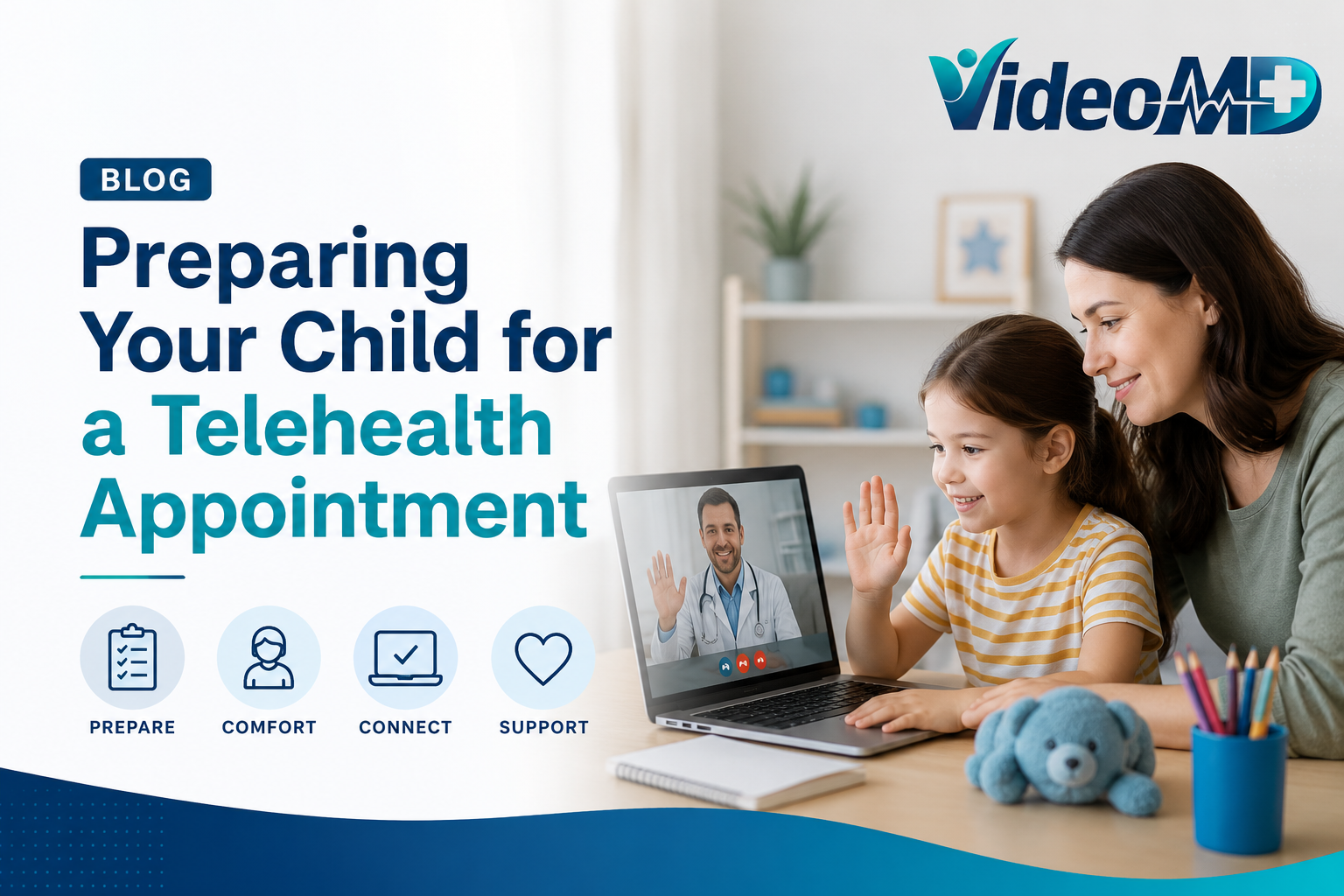
A Guide On Preparing Your Child for a Telehealth Appointment
A practical, parent-friendly guide to making virtual pediatric visits easy, calm, and effective Telehealth for children pediatrics has completely changed the way families access medical care no more scrambling for parking, no waiting room meltdowns, and no pulling kids out of school for a quick check-in.

Can a Telehealth Doctor Prescribe Antibiotics? What You Actually Need to Know
You have a sore throat that has lasted four days. Or a burning sensation that tells you it is probably a UTI — again. Or a sinus infection that has settled in for the week. You know you need antibiotics. What you do not want is a two-week wait for a GP appointment or three hours in an urgent care waiting room.

I Have a High Fever at 2 AM—Should I Use Telehealth or Go to the ER?
It is 2AM. Your temperature reads 103°F. You feel terrible — chills, aching, headache — and you are staring at the ceiling wondering whether you need to drag yourself to an emergency room or whether this is something that can wait for morning.

Complete Guide to Telehealth for Children: Virtual Pediatric Care Explained
Getting a sick child dressed, buckled into a car seat, and into a pediatrician’s office is nobody’s idea of a good morning. And yet, for decades, that was the only option.

When Can You Actually See a Doctor Online? A Specialty-by-Specialty Guide for Patients
You have a sore throat at 11PM. Your child woke up with a rash. You have been managing your blood pressure for years and just need a medication refill. In all of these situations, you might be wondering the same thing: do I really need to go in person for this?

Common Childhood Conditions Treated Through Telehealth For Children
Kids get sick constantly. One week it’s a runny nose, the next it’s an ear that won’t stop hurting. For parents, that often means scrambling to get an appointment, sitting in a waiting room full of other sneezing toddlers, and completely rearranging the day.
Video MD
Personalized Video Consultations