The exact cause of Type 1 diabetes is still unknown, but several factors are believed to contribute:
- Autoimmune reaction damaging pancreatic cells
- Genetic predisposition (family history)
- Environmental triggers, such as viral infections
- Immune system malfunction
Type 1 diabetes is not caused by sugar intake, obesity, or lack of exercise.
Common Symptoms of High Blood Sugar
Early recognition of symptoms of high blood sugar is essential for timely diagnosis and treatment.
Typical symptoms include:
- Frequent urination
- Excessive thirst
- Increased hunger
- Unexplained weight loss
- Fatigue and weakness
- Blurred vision
- Dry mouth
- Slow‑healing wounds
- Irritability or mood changes
Severe symptoms may include:
- Nausea or vomiting
- Abdominal pain
- Fruity‑smelling breath
- Rapid breathing
- Confusion or drowsiness
If these symptoms appear suddenly, immediate medical attention is required.
How Type 1 Diabetes Is Diagnosed
Doctors diagnose Type 1 diabetes using:
- Fasting blood glucose test
- Random blood sugar test
- HbA1c test
- Autoantibody testing
- Urine ketone testing
Many patients today begin their diagnosis journey through an online doctor consultation, followed by lab testing when needed.
Treatment Options for Type 1 Diabetes
There is currently no cure, but effective treatment helps people live long, healthy lives.
1. Insulin Therapy
- Multiple daily insulin injections
- Insulin pump therapy
- Long‑acting and rapid‑acting insulin combinations
2. Blood Sugar Monitoring
- Finger-stick glucose testing
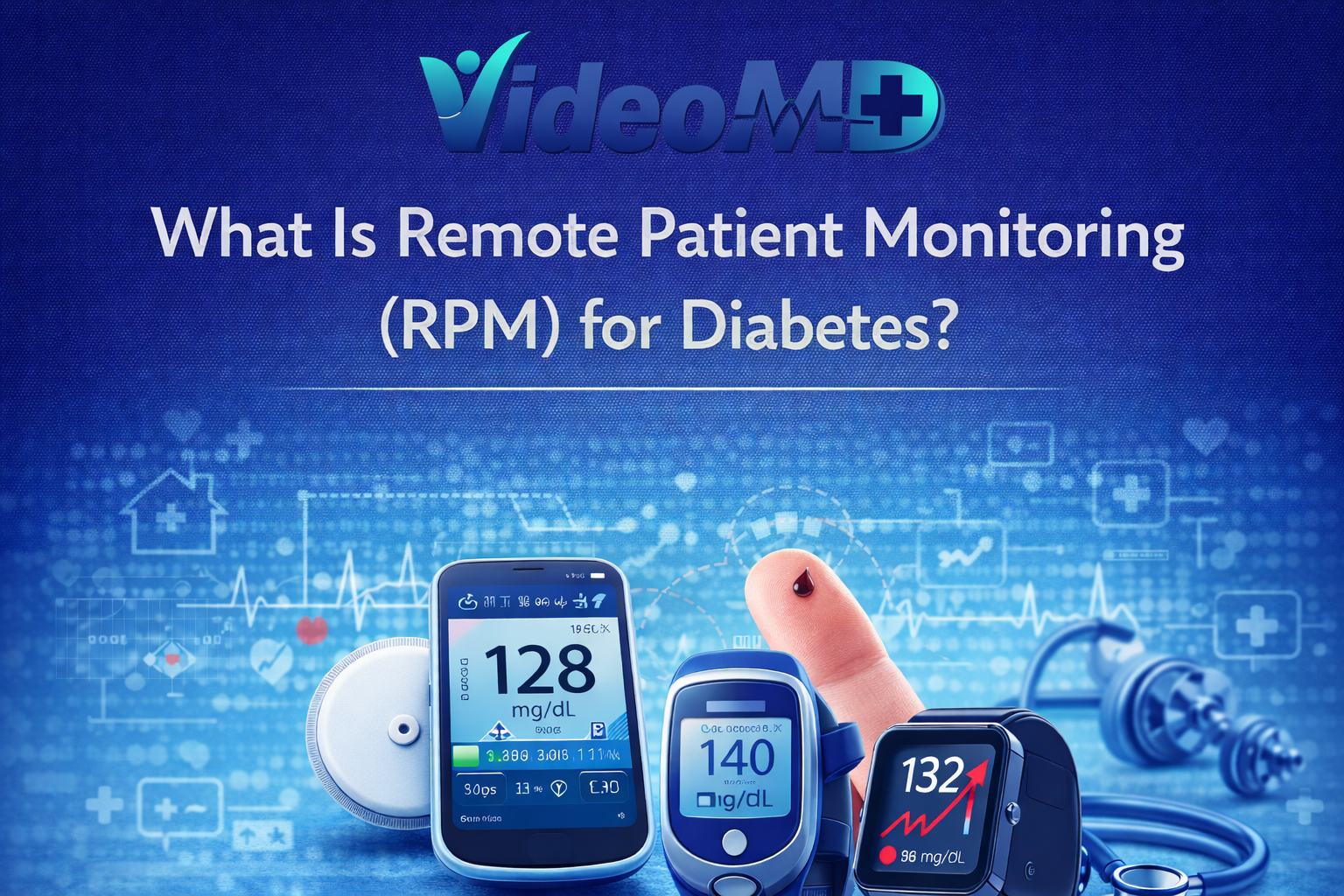
- Continuous glucose monitoring
3. Nutrition & Lifestyle Support
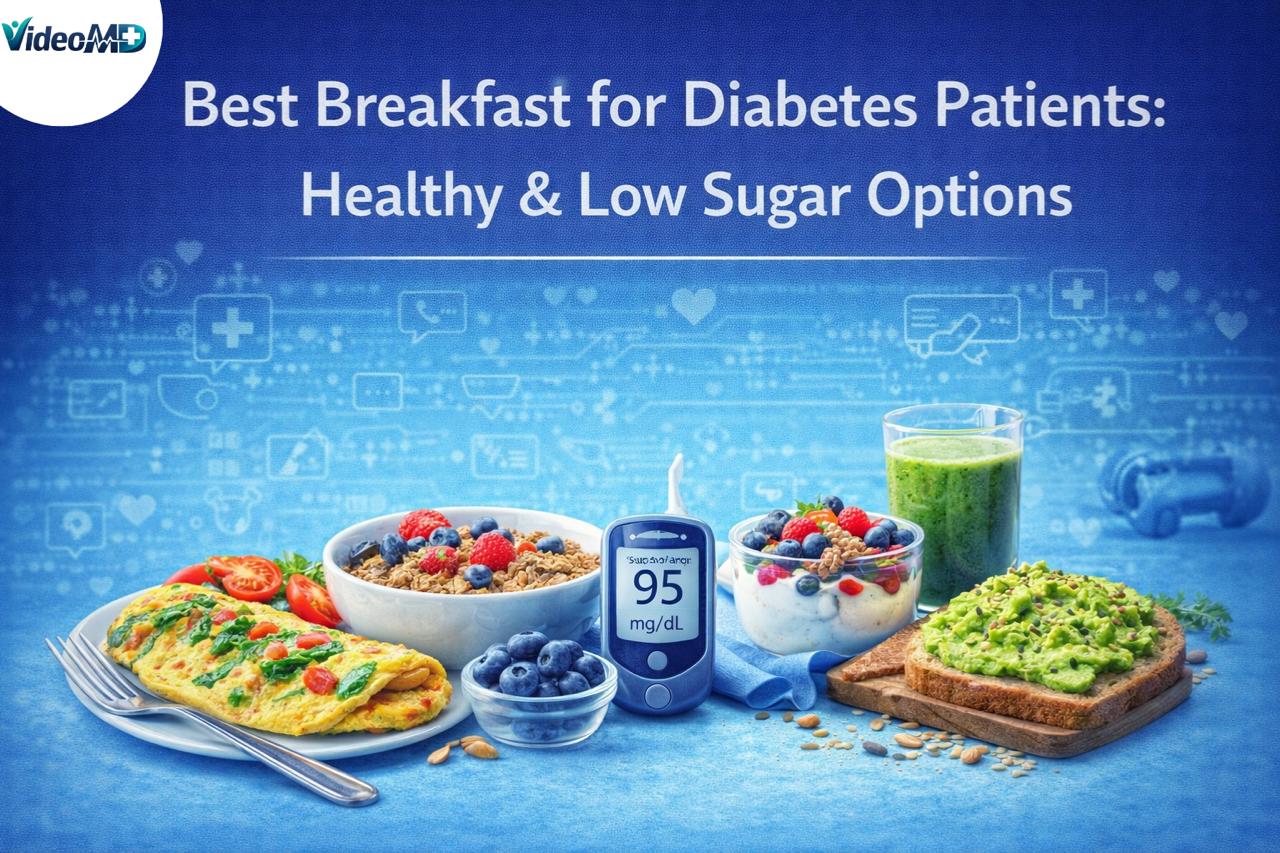
- Balanced carbohydrate intake
- Meal planning support
- Physical activity guidance
4. Regular Medical Follow‑Ups
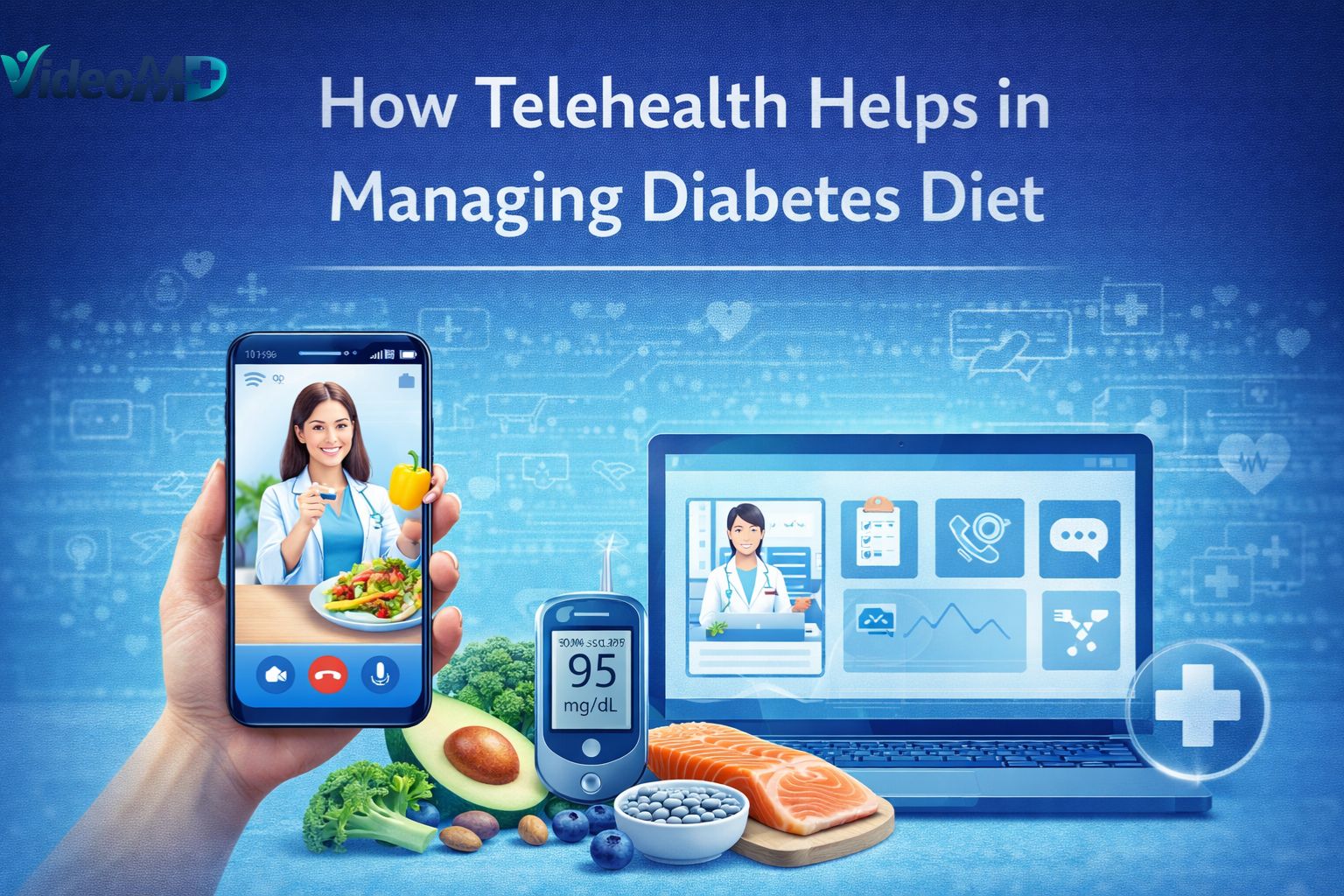
Telemedicine allows patients to receive continuous care without frequent clinic visits.
Role of Online Telehealth in Diabetes Care
Online telehealth has transformed diabetes management by providing:
- Quick access to licensed doctors
- Same‑day online doctor consultation
- Ongoing insulin management
- Medication refill support
- Review of glucose readings remotely
- Nutrition and lifestyle counseling
Patients no longer need to wait weeks for appointments or travel frequently to clinics.
Benefits of Online Doctor Consultation for Type 1 Diabetes
Living Well With Type 1 Diabetes
- Convenient access from home
- Faster response to blood sugar fluctuations
- Continuous monitoring support
- Reduced hospital visits
- Ideal for long‑term chronic care
- Better treatment adherence
Telehealth is especially helpful during illness, travel, or sudden glucose changes.
Possible Complications If Not Controlled
Poorly managed diabetes may lead to:
- Heart disease
- Kidney damage
- Nerve damage
- Eye problems (retinopathy)
- Foot complications
Regular virtual follow‑ups help detect and prevent these risks early.
With proper medical care, technology, and education, people with Type 1 diabetes can:
- Maintain stable blood sugar levels
- Stay physically active
- Work, travel, and live normally
- Prevent long‑term complications
Consistent care — not occasional treatment — is the key to success.
When to See an Online Doctor Immediately
Seek urgent consultation if you experience:
- Persistent high blood sugar readings
- Symptoms of diabetic ketoacidosis (DKA)
- Frequent hypoglycemia episodes
- Vomiting or dehydration
- Sudden insulin resistance
An online doctor consultation can guide emergency care decisions promptly.
Final Thoughts
Diabetes type 1 is something that people have to live with, but with an appropriate treatment regimen and frequent examination of the condition, it is possible to control. The current development in online telehealth is enabling a patient to get constant medical care, insulin education, and lifestyle coaching – all at the convenience of the home.
When there are signs of high sugar level or any other loved one requires continuous monitoring of diabetes, meeting with a skilled physician via telemedicine may be very effective.