The 5 Best Foods to Help Regulate Your Blood Sugar Levels
- Posted by Author
- Published on February 28, 2026
- Category Benefit
- No comments
The blood sugar management is not completely based on medicine; a daily food selection is influential. There are foods that reduce the rate of glucose absorption, enhance insulin sensitivity, and can help avoid sudden spikes or sudden crashes. It may be that you already have diabetes or just desire a healthier metabolism; the addition of the proper foods to your meal can make a difference.
The reason diet is important in controlling blood sugar levels.
Glucose is absorbed into the bloodstream when you eat carbohydrates. Fibers, proteins, and healthy fats are foods that slow down the process, resulting in a stable energy level and less pressure on the insulin system.
The American Diabetes Association advises that foods with a high fiber content of carbohydrates and low-fat protein are better for managing glycemic control in the long run.
1. Leafy Green Vegetables
Examples: Spinach, kale, fenugreek leaves, lettuce
The leafy greens contain minimal carbohydrates; however, they contain high amounts of fiber, antioxidants, and magnesium—nutrients associated with increased insulin sensitivity. They aid in reducing the rate of sugar intake and maintaining general health levels in the metabolism.
Why they help:
- Very low glycemic impact
- High fiber improves glucose stability
- Supports heart health (important for diabetes care)
2. Whole Grains
Examples: Oats, brown rice, quinoa, millets
Unlike refined grains, whole grains contain intact fiber and nutrients that slow digestion. This gradual glucose release helps prevent sudden spikes after meals.
Why they help:
- Lower glycemic index than refined carbs
- Promote satiety and reduce overeating
- Support long-term blood sugar control
The Centers for Disease Control and Prevention recommends whole grains as part of a balanced eating pattern for people managing diabetes.
3. Nuts and Seeds
Examples: Almonds, walnuts, chia seeds, flaxseeds
Nuts provide healthy fats, protein, and fiber—a combination known to stabilize blood sugar levels and reduce post-meal spikes.
Why they help:
- Slow glucose absorption
- Improve insulin response
- Support weight management
A handful of unsalted nuts can be an effective snack to maintain steady energy levels.
4. Legumes (Beans and Lentils)
Examples: Chickpeas, kidney beans, black beans, lentils
Legumes are rich in soluble fiber and plant protein. They digest slowly, making them ideal for maintaining stable glucose levels throughout the day.
Why they help:
- Low glycemic load
- Improve fullness and reduce cravings
- Support digestive health
The Mayo Clinic highlights beans and lentils as beneficial carbohydrate choices for blood sugar management.
5. Fatty Fish
Examples: Salmon, sardines, mackerel
Fatty fish are rich in omega-3 fatty acids, which support heart health and reduce inflammation—key concerns for people with diabetes.
Why they help:
- No carbohydrate impact
- Improve metabolic health
- Support cardiovascular protection
Including fish in weekly meals supports overall diabetes risk reduction.
Practical Tips to Improve Blood Sugar Through Food
- Pair carbohydrates with protein or healthy fats
- Avoid highly processed sugary foods
- Eat at consistent times daily
- Monitor how specific foods affect your glucose levels
- Stay hydrated
The Support of Nutrition Management through Online Care
Food preferences prove to be the most useful when combined with the professional advice. Video-MD links patients to licensed physicians to provide customized care in diabetes and medication management as well as continuous monitoring. Online consultations with the convenience of adjusting diet and treatment plans according to glucose tendencies safely.
Healthy eating becomes easier with the right guidance.
Video-MD helps personalize nutrition and care for better blood sugar control.
Conclusion
Normal nutrition has a strong role to play in blood sugar control. Whole grains, legumes, fatty fish, and leafy greens are also important providers of essential nutrients that help stabilize the glucose level and promote long-term health. Balanced meals and regular monitoring make it easier to control the level of blood sugar and make it more predictable and sustainable.
The collaboration of astute nutrition and easy medical assistance will make the diabetes management simpler and easier to stick to in the long run.
References
- American Diabetes Association—Nutrition guidance for diabetes management
- Centers for Disease Control and Prevention—Diabetes and healthy eating
- Mayo Clinic—Diabetes diet and food choices
Share on :
Related Blogs

A Guide On Preparing Your Child for a Telehealth Appointment
A practical, parent-friendly guide to making virtual pediatric visits easy, calm, and effective Telehealth for children pediatrics has completely changed the way families access medical care no more scrambling for parking, no waiting room meltdowns, and no pulling kids out of school for a quick check-in.

Can a Telehealth Doctor Prescribe Antibiotics? What You Actually Need to Know
You have a sore throat that has lasted four days. Or a burning sensation that tells you it is probably a UTI — again. Or a sinus infection that has settled in for the week. You know you need antibiotics. What you do not want is a two-week wait for a GP appointment or three hours in an urgent care waiting room.
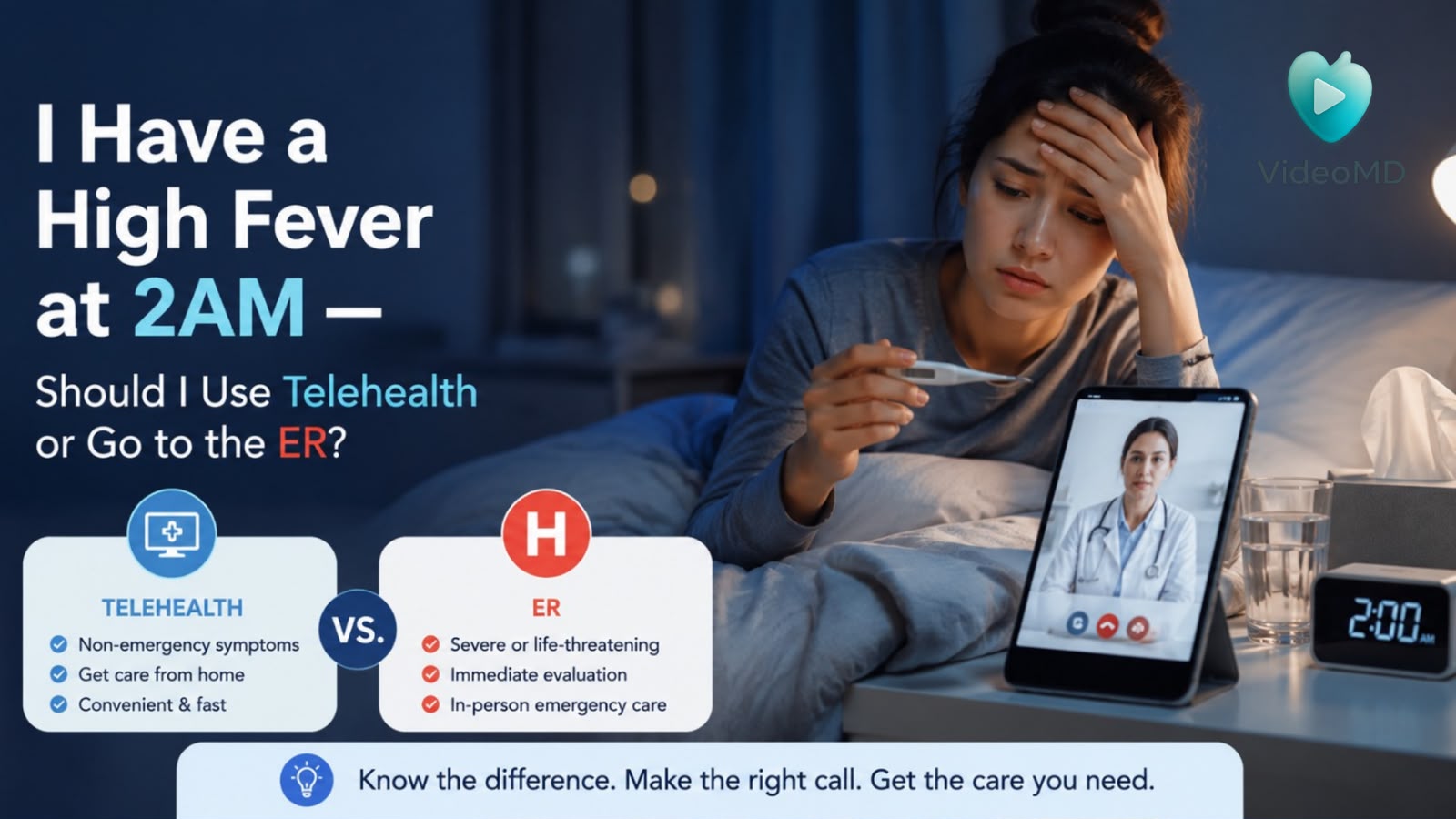
I Have a High Fever at 2 AM—Should I Use Telehealth or Go to the ER?
It is 2AM. Your temperature reads 103°F. You feel terrible — chills, aching, headache — and you are staring at the ceiling wondering whether you need to drag yourself to an emergency room or whether this is something that can wait for morning.
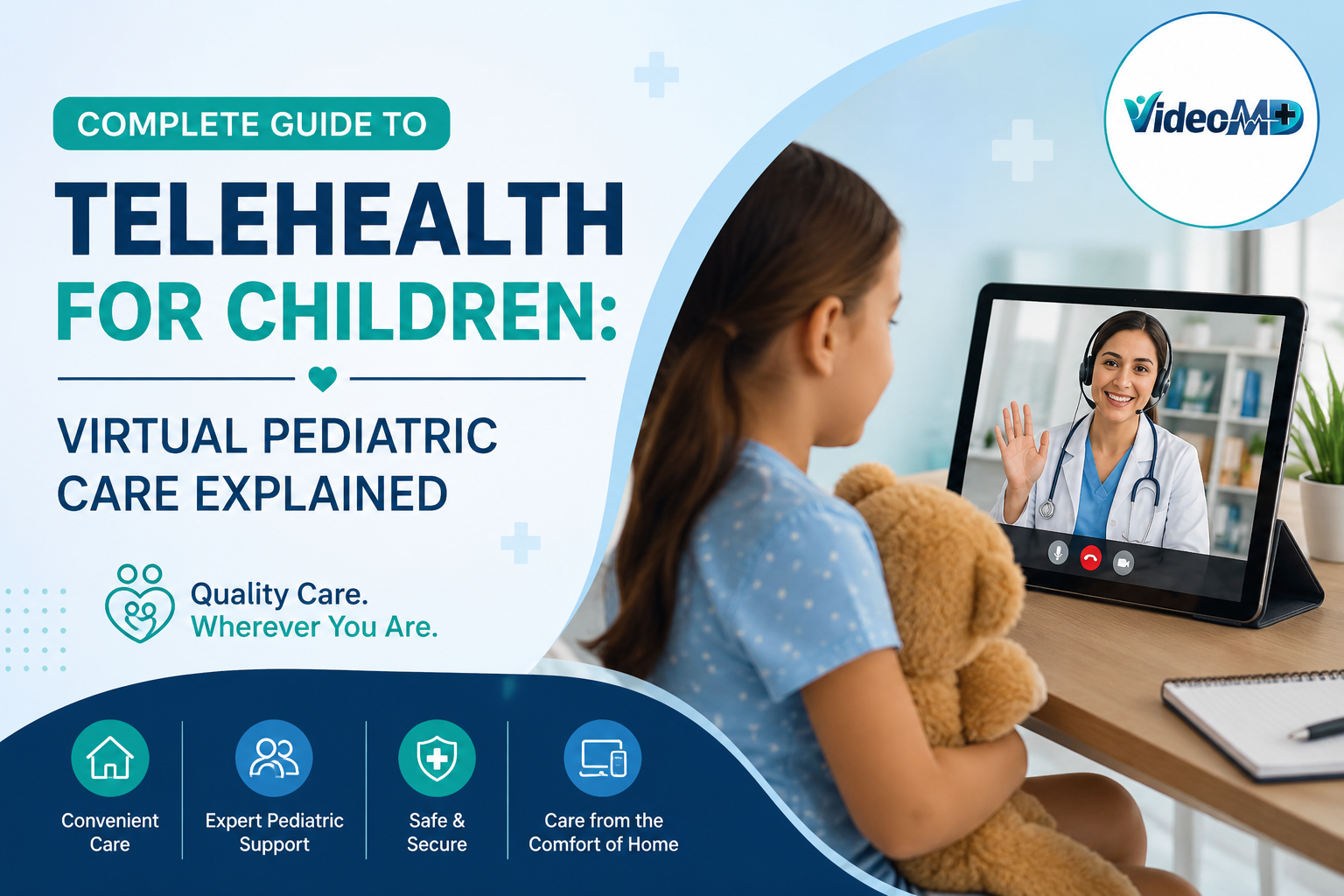
Complete Guide to Telehealth for Children: Virtual Pediatric Care Explained
Getting a sick child dressed, buckled into a car seat, and into a pediatrician’s office is nobody’s idea of a good morning. And yet, for decades, that was the only option.

When Can You Actually See a Doctor Online? A Specialty-by-Specialty Guide for Patients
You have a sore throat at 11PM. Your child woke up with a rash. You have been managing your blood pressure for years and just need a medication refill. In all of these situations, you might be wondering the same thing: do I really need to go in person for this?

Common Childhood Conditions Treated Through Telehealth For Children
Kids get sick constantly. One week it’s a runny nose, the next it’s an ear that won’t stop hurting. For parents, that often means scrambling to get an appointment, sitting in a waiting room full of other sneezing toddlers, and completely rearranging the day.
Video MD
Personalized Video Consultations