The 5 Best Foods to Help Regulate Your Blood Sugar Levels
- Posted by Author
- Published on February 28, 2026
- Category Benefit
- No comments
The blood sugar management is not completely based on medicine; a daily food selection is influential. There are foods that reduce the rate of glucose absorption, enhance insulin sensitivity, and can help avoid sudden spikes or sudden crashes. It may be that you already have diabetes or just desire a healthier metabolism; the addition of the proper foods to your meal can make a difference.
The reason diet is important in controlling blood sugar levels.
Glucose is absorbed into the bloodstream when you eat carbohydrates. Fibers, proteins, and healthy fats are foods that slow down the process, resulting in a stable energy level and less pressure on the insulin system.
The American Diabetes Association advises that foods with a high fiber content of carbohydrates and low-fat protein are better for managing glycemic control in the long run.
1. Leafy Green Vegetables
Examples: Spinach, kale, fenugreek leaves, lettuce
The leafy greens contain minimal carbohydrates; however, they contain high amounts of fiber, antioxidants, and magnesium—nutrients associated with increased insulin sensitivity. They aid in reducing the rate of sugar intake and maintaining general health levels in the metabolism.
Why they help:
- Very low glycemic impact
- High fiber improves glucose stability
- Supports heart health (important for diabetes care)
2. Whole Grains
Examples: Oats, brown rice, quinoa, millets
Unlike refined grains, whole grains contain intact fiber and nutrients that slow digestion. This gradual glucose release helps prevent sudden spikes after meals.
Why they help:
- Lower glycemic index than refined carbs
- Promote satiety and reduce overeating
- Support long-term blood sugar control
The Centers for Disease Control and Prevention recommends whole grains as part of a balanced eating pattern for people managing diabetes.
3. Nuts and Seeds
Examples: Almonds, walnuts, chia seeds, flaxseeds
Nuts provide healthy fats, protein, and fiber—a combination known to stabilize blood sugar levels and reduce post-meal spikes.
Why they help:
- Slow glucose absorption
- Improve insulin response
- Support weight management
A handful of unsalted nuts can be an effective snack to maintain steady energy levels.
4. Legumes (Beans and Lentils)
Examples: Chickpeas, kidney beans, black beans, lentils
Legumes are rich in soluble fiber and plant protein. They digest slowly, making them ideal for maintaining stable glucose levels throughout the day.
Why they help:
- Low glycemic load
- Improve fullness and reduce cravings
- Support digestive health
The Mayo Clinic highlights beans and lentils as beneficial carbohydrate choices for blood sugar management.
5. Fatty Fish
Examples: Salmon, sardines, mackerel
Fatty fish are rich in omega-3 fatty acids, which support heart health and reduce inflammation—key concerns for people with diabetes.
Why they help:
- No carbohydrate impact
- Improve metabolic health
- Support cardiovascular protection
Including fish in weekly meals supports overall diabetes risk reduction.
Practical Tips to Improve Blood Sugar Through Food
- Pair carbohydrates with protein or healthy fats
- Avoid highly processed sugary foods
- Eat at consistent times daily
- Monitor how specific foods affect your glucose levels
- Stay hydrated
The Support of Nutrition Management through Online Care
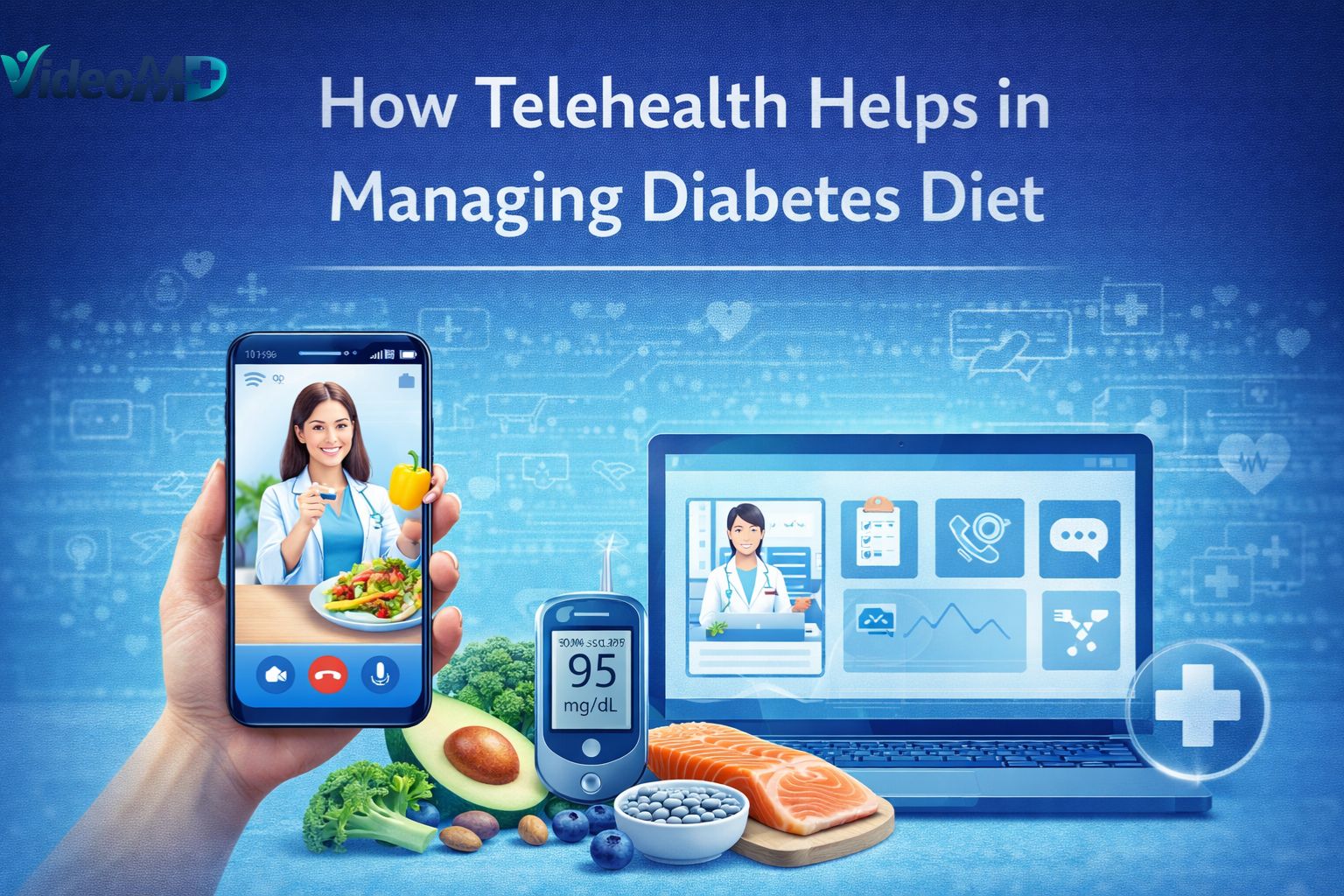
Food preferences prove to be the most useful when combined with the professional advice. Video-MD links patients to licensed physicians to provide customized care in diabetes and medication management as well as continuous monitoring. Online consultations with the convenience of adjusting diet and treatment plans according to glucose tendencies safely.
Healthy eating becomes easier with the right guidance.
Video-MD helps personalize nutrition and care for better blood sugar control.
Conclusion
Normal nutrition has a strong role to play in blood sugar control. Whole grains, legumes, fatty fish, and leafy greens are also important providers of essential nutrients that help stabilize the glucose level and promote long-term health. Balanced meals and regular monitoring make it easier to control the level of blood sugar and make it more predictable and sustainable.
The collaboration of astute nutrition and easy medical assistance will make the diabetes management simpler and easier to stick to in the long run.
References
- American Diabetes Association—Nutrition guidance for diabetes management
- Centers for Disease Control and Prevention—Diabetes and healthy eating
- Mayo Clinic—Diabetes diet and food choices
Share on :
Related Blogs

How Telemedicine Helps To Reduce Stress among College Students
Many college students find that, while college life can often be exciting and transformative, it is also one of the most stressful times of their lives. Students may experience stress from a variety of sources, including academic demands, social pressure.

Type 1 Diabetes: What It Is, Causes, Symptoms & Treatment
Type 1 diabetes is an auto immune chronic disease which implies the body inability to produce insulin. It is not lifestyle-related and usually occurs in childhood or young adulthood though it can be diagnosed at any age unlike Type 2 diabetes.

What are symptoms of diabetes during pregnancy
Pregnancy brings many changes to the body — some expected, some confusing. Fatigue, frequent urination, and increased appetite are often considered “normal” parts of pregnancy. However, in some cases, these symptoms may point to diabetes during pregnancy, also known as gestational diabetes.

How Online Therapy Can Improve Your Mental Health
Mental health is just as important as physical health, despite the fact that it is often ignored or misunderstood. Our ideas, feelings, behavior, stress management, interactions with others, and decision-making are all impacted by mental health. In today’s fast-paced world, many

Key Features Every Telehealth Platform Should Have
Healthcare is rapidly evolving. Instead of constantly visiting hospitals, many patients now prefer to communicate with doctors online. Telehealth is the practice of receiving medical care via computers, phones, or applications. Many people find that telehealth makes healthcare more pleasant

How to Choose the Right Telehealth Platform
Nowadays, healthcare is just a click away. Thanks to the many telehealth programs available, you can consult a doctor from your phone, tablet, or laptop. But it’s simple to become perplexed with so many options. Which platform is best for you?
Video MD
Personalized Video Consultations