What Is Remote Patient Monitoring (RPM) for Diabetes?

Remote Patient Monitoring (RPM) is changing how diabetes is managed, as it enables healthcare providers to monitor blood sugar and other health information without frequent clinic visits. RPM enables constant monitoring, timely problem identification, and personalized treatment changes at home, with the help of linked devices and telehealth systems.

How Remote Patient Monitoring Works for Diabetes

RPM uses digital tools to collect health data and securely share it with healthcare providers in real time. These tools include:

  • Continuous glucose monitors (CGMs)
  • Smart glucometers
  • Wearable health trackers
  • Mobile health apps
  • Telehealth consultation platforms

Healthcare professionals review this data and adjust treatment plans accordingly.

Key Benefits of RPM for Diabetes Patients

1. Real-Time Blood Sugar Tracking

Patients can monitor glucose levels throughout the day using connected devices, helping detect patterns and prevent sudden spikes.

2. Early Detection of Health Risks

RPM helps identify abnormal glucose trends before they become serious complications.

Providers can intervene early and recommend lifestyle or medication adjustments.

3. Fewer Clinic Visits

RPM reduces the need for frequent in-person appointments while maintaining continuous care.

This is especially helpful for patients in remote areas or with busy schedules.

4. Personalized Diabetes Care

Doctors can analyze real-time patient data to customize treatment plans based on:

  • diet habits
  • physical activity
  • glucose trends
  • medication response

5. Better Patient Engagement

RPM encourages patients to stay actively involved in their health management.

Devices Used in Remote Diabetes Monitoring

Common RPM tools include:

Continuous Glucose Monitors (CGMs)

These devices track glucose levels continuously and send alerts if levels rise or fall unexpectedly.

Smart Glucometers

Connected glucometers automatically share readings with healthcare providers.

Wearable Fitness Trackers

Wearables monitor activity levels, heart rate, and sleep—important factors influencing diabetes control.

According to the U.S. Department of Health & Human Services, remote monitoring technologies improve access to care and support better management of chronic conditions like diabetes.

Who Should Use RPM for Diabetes?

Remote patient monitoring is ideal for

  • People with type 2 diabetes
  • Individuals with prediabetes
  • Patients requiring frequent glucose tracking
  • Seniors managing diabetes at home
  • Individuals living in rural or underserved areas

The Future of Diabetes Care with RPM

Remote patient monitoring is emerging as an essential part of contemporary treatment of diabetes. With the integration of artificial intelligence and predictive analytics into the telehealth platform, RPM will keep on enhancing outcomes and complications.

Smart monitoring tools are shaping the future of diabetes care by bringing expert support closer to patients than ever before.

Share on :

Related Blogs

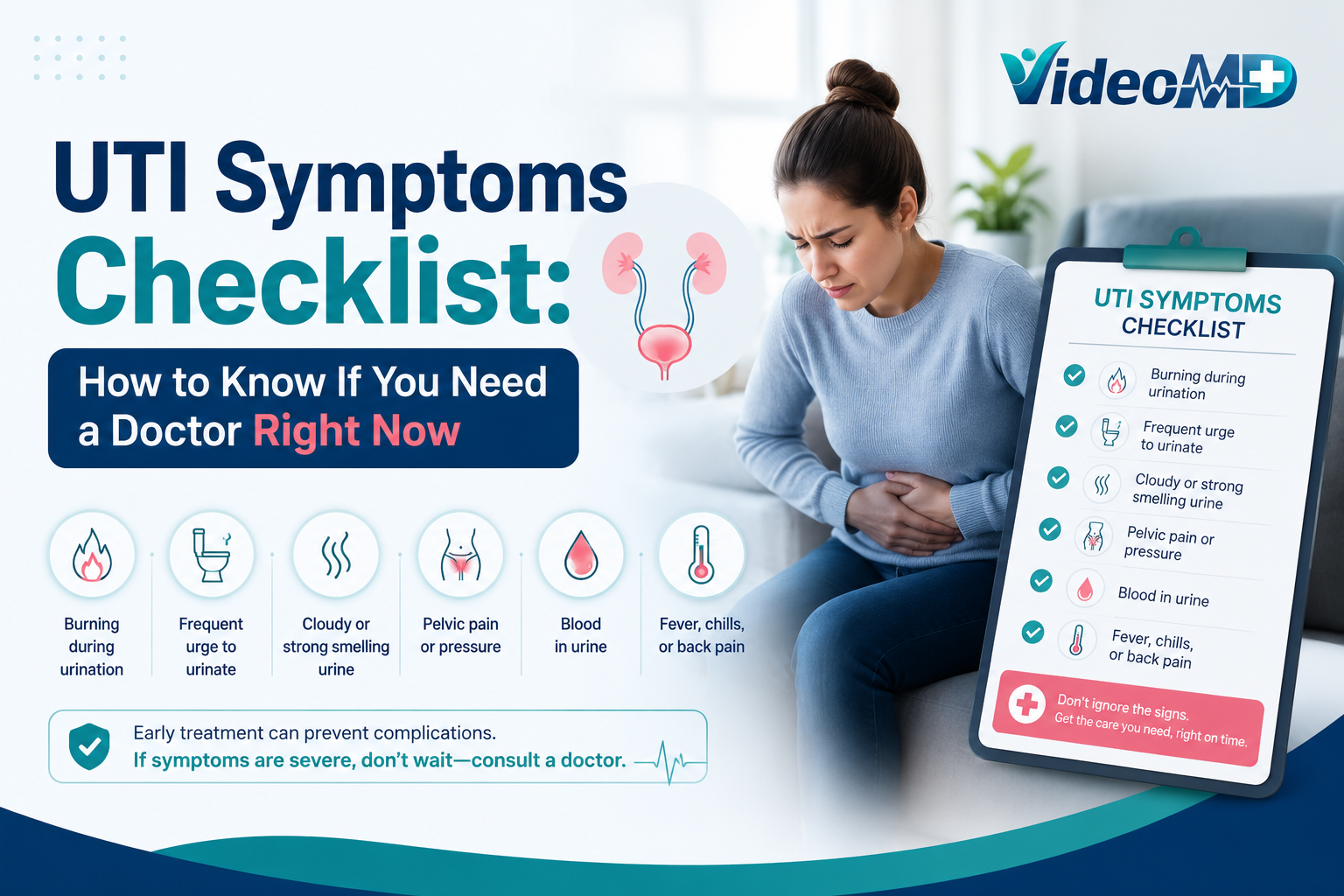
Can an Online Doctor Prescribe Antibiotics for a UTI

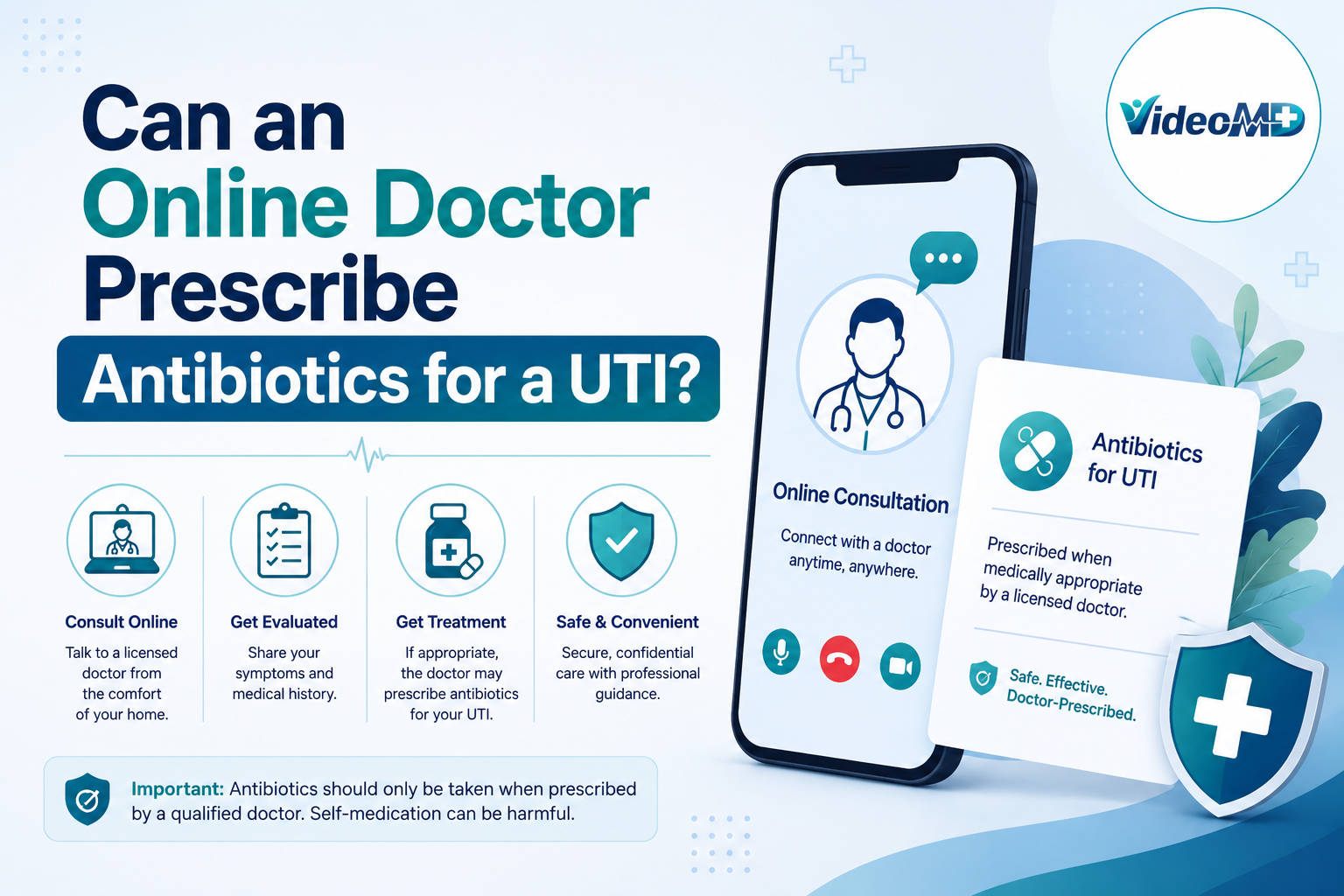
Can an Online Doctor for a UTI Prescribe Antibiotics?

It’s the question almost everyone asks before their first telehealth visit: Can an online doctor actually prescribe me antibiotics? Or will they just tell me to drink more water and see someone in person?
The answer is yes, a qualified online doctor for a UTI can absolutely prescribe antibiotics. And for the majority of people dealing with a straightforward bladder infection, a virtual visit is all it takes to get the treatment they need.
Read More »
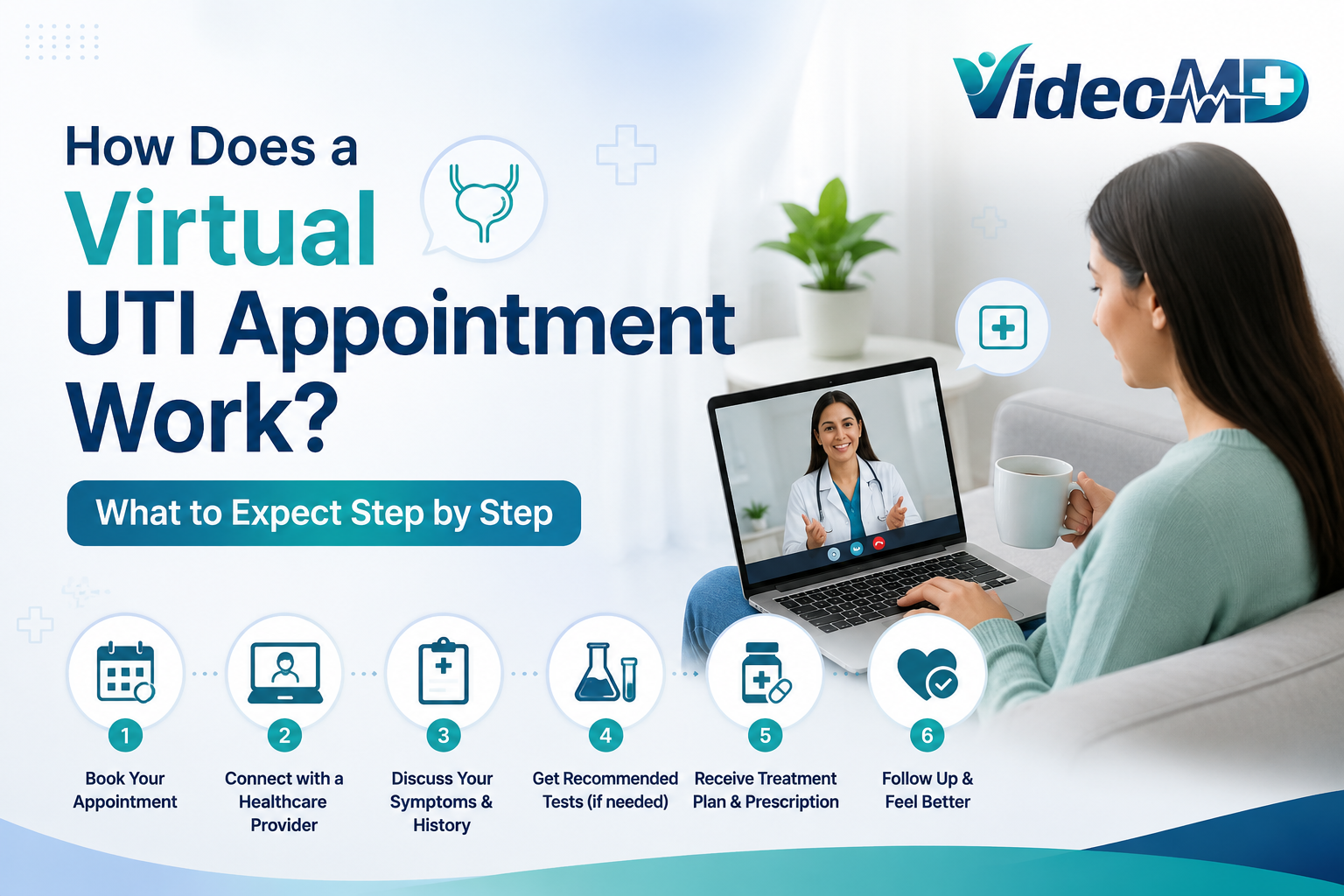
How Does a Virtual UTI Appointment Work What to Expect Step by Step

How Does a Virtual UTI Appointment Work? What to Expect Step by Step

You wake up and you already know. That familiar burning, the pressure that won’t quit, the constant urge to run to the bathroom. It’s a UTI and you want it gone as fast as possible.
The good news? You don’t have to leave your house to get treated. Seeing an online doctor for a UTI is one of the most common and well-supported uses of telehealth today. Providers can
Read More »
Telehealth Appointment

What Happens During a Telehealth Appointment?

If you have never used telehealth before, the process can feel like a mystery. You know it involves a video call and a doctor — but what actually happens? Do they just chat with you? Can they really diagnose anything? What if you need a prescription? How does it get to the pharmacy?
Read More »

Video MD

Personalized Video Consultations

Start Your Journey

Request your first visit in under 60 seconds.

Secure Form