Healthcare is among the major issues that are facing rural people living in the United States. The fact that patients have to travel long distances to obtain medical care, limited medical facilities, and a shortage of healthcare professionals are usually a challenge to accessing timely treatment. In patients experiencing chronic illnesses such as diabetes, these impediments may result in delayed medical services and health threats.
Luckily, telemedicine is changing the manner in which healthcare services are provided in rural communities. Telemedicine allows patients to obtain qualified medical assistance without having to travel far-reaching places, as digital communication technologies are combined with remote monitoring devices.
The Challenges of Diabetes Care in Rural Communities
The treatment of diabetes involves frequent monitoring, medication adjustments, and ongoing medical care. Nevertheless, the rural patients can be characterized by several challenges in their attempt to receive adequate treatment, such as:
- Limited access to endocrinologists and specialists
- Long travel times to healthcare facilities
- Higher healthcare costs are associated with frequent visits
- Delayed diagnosis and treatment of complications
These challenges contribute to higher rates of diabetes-related complications in rural populations.
How Telemedicine Is Transforming Rural Diabetes Care
The gap in healthcare is being narrowed by telemedicine, whose services are delivered in the homes of patients. Healthcare providers can monitor the health data of the patients and offer medical guidance on time through secure video consultations, mobile health apps, and connected monitoring devices.
Patients can now:
- Schedule virtual doctor consultations
- Share glucose readings remotely
- Receive medication guidance
- Access ongoing diabetes education
According to the American Diabetes Association, proper monitoring and consistent care are essential for preventing long-term complications associated with diabetes.
Remote Monitoring for Better Diabetes Management
Remote patient monitoring devices enable patients to send real-time health information to medical care providers. Continuous glucose monitors (CGMs) and smart glucometers are devices that automatically transmit data to digital health platforms.
Physicians are able to analyze this data and diagnose trends or red flags in a short period of time, which might need changes in treatment regimens. Such a proactive strategy assists in eliminating complications and keeping the patients on course to their diabetes management objectives.
Telehealth Platforms Supporting Rural Patients
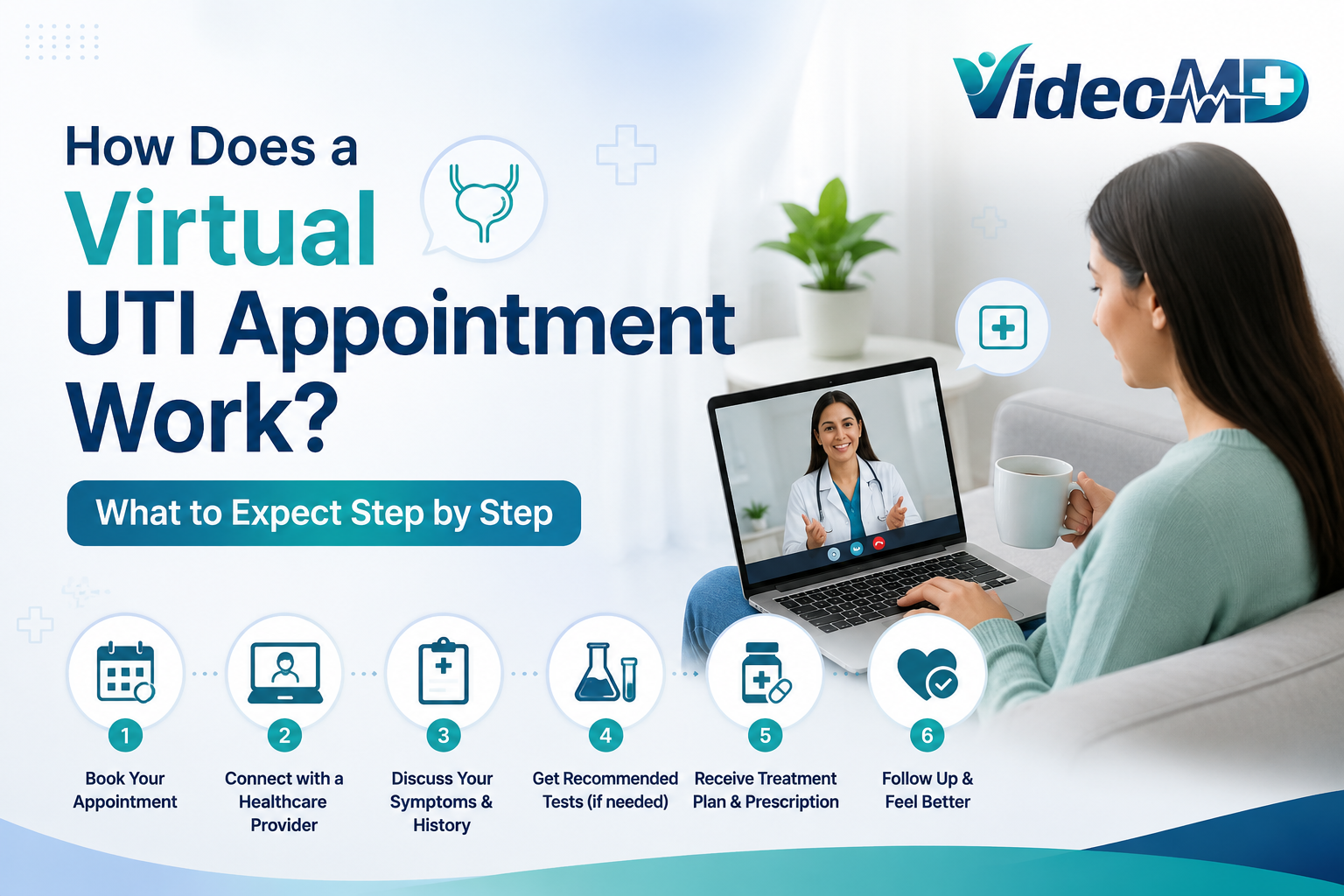
Telehealth systems are becoming very instrumental in enhancing access to healthcare. With the help of safe video sessions and built-in digital health services, patients are able to receive qualified medical help from the comfort of their homes.
It can be seen that to the rural population, these platforms can remove many miles in travel and enable them to communicate more often with doctors. The result of this ongoing interaction will be the attainment of greater health outcomes and patient confidence in dealing with their condition.
Benefits of Telemedicine for Rural Diabetes Patients
The adoption of telemedicine in diabetes care offers several key advantages:
Improved Access to Specialists
Patients in remote locations can consult endocrinologists and diabetes specialists without traveling to major cities.
Faster Medical Support
Virtual consultations allow patients to receive timely medical advice when symptoms or concerns arise.
Lower Healthcare Costs
Telemedicine reduces transportation expenses and unnecessary hospital visits.
Continuous Patient Monitoring
Connected health devices enable doctors to monitor patient progress and detect potential complications earlier.
The Future of Remote Diabetes Care
With the current development of digital health technologies, telemedicine will become even more effective in the solution of healthcare disparities in rural communities. Additional improvements in diabetes and patient outcomes will be made through artificial intelligence, remote monitoring, and predictive analytics.
Telehealth websites like Video-MD.com are aiding in making remote healthcare accessible, as they facilitate a secure virtual consultation and continuous patient monitoring. With its ability to establish relationships between patients and healthcare professionals through the Internet, Web 2.0 technologies such as Video-MD.com are slowly but surely making a significant contribution to the well-being of people who live in the underserved rural regions.
Telemedicine is assisting in bridging the healthcare gap and making sure the patients in rural America get the best possible care available to them.