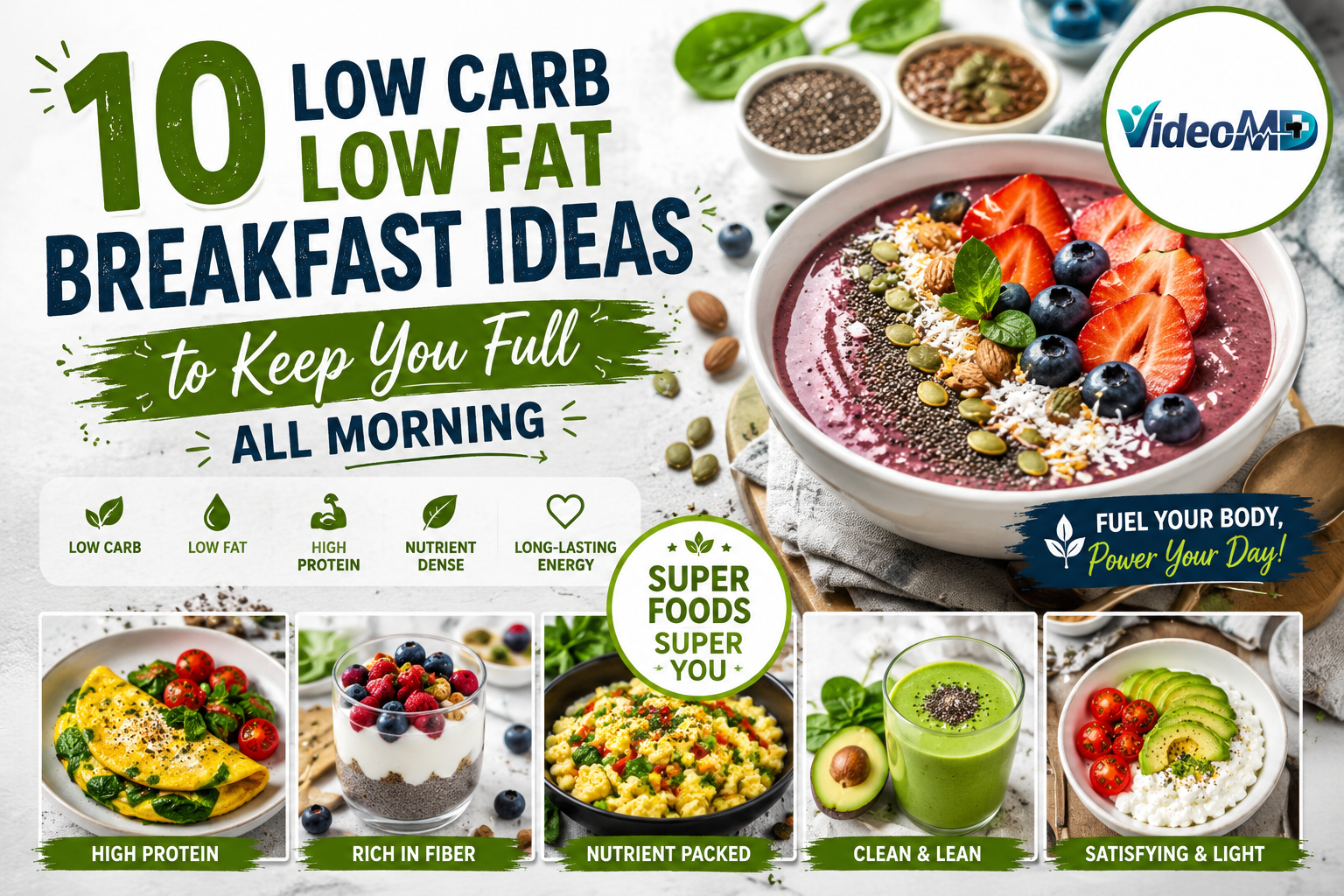
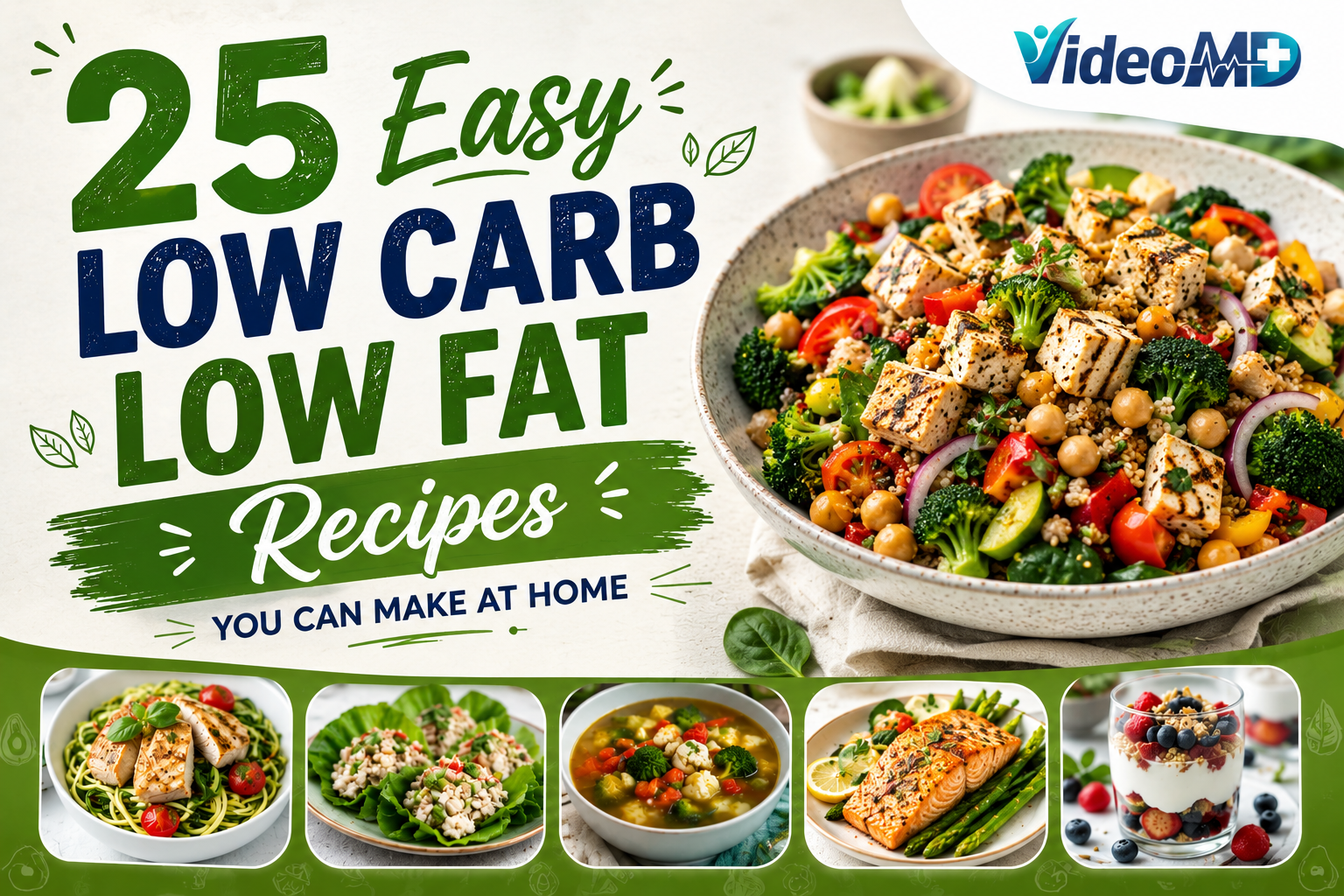
You’ve probably stood in the grocery store aisle second-guessing your choices more times than you can count. Should the bread go back? Is that avocado a good idea or a fat bomb? The low carb vs low fat debate has been running hot for decades, and somehow, it still confuses people every single day.
So let’s cut through the noise. Whether you’re just starting your weight loss journey or you’ve been at it for a while and feel stuck, this guide will help you figure out which approach actually works and, more importantly, which one will work for you.
What Is a Low Carb Diet?
A low carb diet limits the amount of carbohydrates you eat, things like bread, rice, pasta, sugary drinks, and most processed snacks. Depending on how strict you go, your daily carb intake might range from 20 grams (full ketogenic territory) to around 100–150 grams (a more moderate low carb approach).
When your carb intake drops, your body runs out of its go-to fuel source. So it starts reaching for stored fat instead. That’s the core idea behind why low carb diets work for weight loss.
Common low carb foods:
- Eggs, chicken, beef, and fatty fish
- Non-starchy vegetables like spinach, broccoli, and zucchini
- Nuts, seeds, and avocados
- Full-fat dairy, like cheese and Greek yoghurt
- Olive oil and coconut oil
What Is a Low Fat Diet?
A low fat diet keeps fat intake low, typically under 30% of your daily calories and fills that gap with carbohydrates and lean proteins. This approach dominated nutrition advice from the 1970s to the 1990s, largely because fat has more than double the calories per gram compared to carbs or protein.
The thinking was simple: eat less fat, take in fewer calories, lose weight. And for a lot of people, it does work, especially when those carbs come from whole, fibre-rich foods rather than processed junk.
Common low fat foods:
- Lean meats like chicken breast and turkey
- Whole grains like oats, quinoa, and brown rice
- Fruits, legumes, and starchy vegetables
- Low-fat dairy products
- Egg whites
Low Carb vs Low Fat Diet: The Weight Loss Comparison
Here’s what most people actually want to know: which one helps you drop more weight?
Short-Term Weight Loss
Low carb tends to win in the short term, and it’s not subtle. Many people lose 5–10 pounds in the first two weeks. But here’s the honest truth: a good chunk of that is water weight. When you cut carbs, your body burns through its glycogen stores, and glycogen holds onto water. Once those stores are empty, you shed the water fast.
That said, real fat loss does kick in quickly on a low carb plan, partly because lower insulin levels tell your body to stop storing fat and start burning it.
Long-Term Weight Loss
Over 6 to 12 months, the gap between the two diets narrows significantly. A large 2018 JAMA study tracking 600+ adults found that after one year, low carb and low fat dieters lost nearly the same amount of weight on average.
The key insight from the research: it wasn’t which diet someone followed that predicted success. It was how consistently they stuck to it.
How Each Diet Affects Your Body
Hunger Levels
Low carb diets tend to reduce hunger more noticeably. Protein and fat digest more slowly and keep you fuller longer. Plus, without blood sugar spikes and crashes, you’re not getting that desperate 3 pm craving urge.
Low fat diets can work well for hunger too, but only if you’re eating whole, high-fiber foods. A low-fat diet built around processed “diet” snacks will likely leave you hungry and frustrated.
Quick takeaway: If cravings and constant hunger are your biggest challenge, low carb may give you a real edge.
Blood Sugar and Insulin Control
For anyone dealing with insulin resistance, prediabetes, or type 2 diabetes, a low-carb, low-fat diet conversation almost always ends with low carb winning. Cutting carbs directly reduces blood sugar spikes, which lowers insulin demand, which helps your body become more sensitive to insulin again.
Multiple clinical studies have shown that low carb eating can reduce the need for diabetes medication, sometimes dramatically. (Always talk to your doctor before changing your meds, of course.)
Heart Health and Cholesterol
This one’s more complicated. Low fat diets often lower LDL (bad) cholesterol. Low carb diets tend to raise HDL (good) cholesterol and significantly reduce triglycerides. Both matter for cardiovascular health.
The quality of fat you eat on a low carb plan matters a lot. Eating mostly olive oil, salmon, nuts, and avocados is very different from loading up on processed meats and cheese every day.
Energy and Exercise Performance
High-intensity athletes often struggle on low carb at least initially. Carbs are your body’s most efficient fuel for explosive, high-output exercise. For endurance sports and heavy lifting, a total restriction of carbs can hurt performance in the early weeks.
That said, many people adapt after a few months and perform well. For moderate daily activity, both diets support energy levels just fine.
Which Diet Should You Choose?
Choose a low carb diet if:
- You have insulin resistance, PCOS, or type 2 diabetes
- Carb cravings derail your eating most often
- You want faster, early results to stay motivated
- You genuinely enjoy eggs, meat, fish, and healthy fats
Choose a low fat diet if:
- You love carb-rich whole foods like oats, beans, and fruit
- You have high LDL cholesterol
- You do a lot of high-intensity training
- Heavy or rich foods don’t sit well with you
The Smartest Approach? Find Your Middle Ground
Here’s what the research quietly keeps confirming: the best diet is the one you’ll actually follow. Not the one with the most dramatic before-and-after photos online.
A moderate approach that trims both refined carbs and saturated fat while leaning into whole foods, lean proteins, and fibre is something most people can sustain for years. Think: grilled salmon, roasted vegetables, a scoop of lentils, a drizzle of olive oil. It’s not dramatic. But it works, and it keeps working.
Fad Diet and Expectation Mismatches
Extreme plans trigger rebounds from unsustainable restrictions; rapid-loss hopes clash with safe paces. Lifestyle tweaks yield enduring change. Target modest initial goals.