If you have Type 2 diabetes, you’ve almost certainly been told to “watch your diet.” But which diet? Ask one doctor, and they say cut carbs. Ask another, and they say reduce fat. Search online and you’ll find passionate arguments on both sides.
The truth — backed by clinical research — is more nuanced than either camp admits.
In this guide, a Video-MD physician breaks down exactly what the science says about low-carb vs. low-fat diets for diabetics so you can make an informed decision about what works best for you. Already managing diabetes? Book an online diabetes consultation with a Video MD doctor—get a personalized diet plan in minutes.
What Is a Low Carb Diet for Diabetics?
A low-carbohydrate diet restricts carbohydrate intake—the macronutrient that most directly raises blood sugar. Low-carb diets typically fall into two categories: very low carbohydrate ketogenic diets (less than 10% of total caloric intake from carbohydrates, with higher fat and moderate protein) and moderate carbohydrate regimens (30–45% of total calories from carbs).
Common low-carb foods for diabetics:
- Eggs, meat, fish, and poultry
- Non-starchy vegetables (broccoli, spinach, zucchini)
- Nuts, seeds, and avocados
- Full-fat dairy
- Olive oil and healthy fats
What Is a Low Fat Diet for Diabetics?
Low fat diets prioritise carbohydrate intake (50–60% of total calories), with reduced fat (less than 20–30%) and moderate protein (15–20%).
Common low-fat foods for diabetics:
- Whole grains, brown rice, oats
- Fruits and starchy vegetables
- Lean proteins (chicken breast, fish)
- Low-fat dairy
- Legumes and pulses
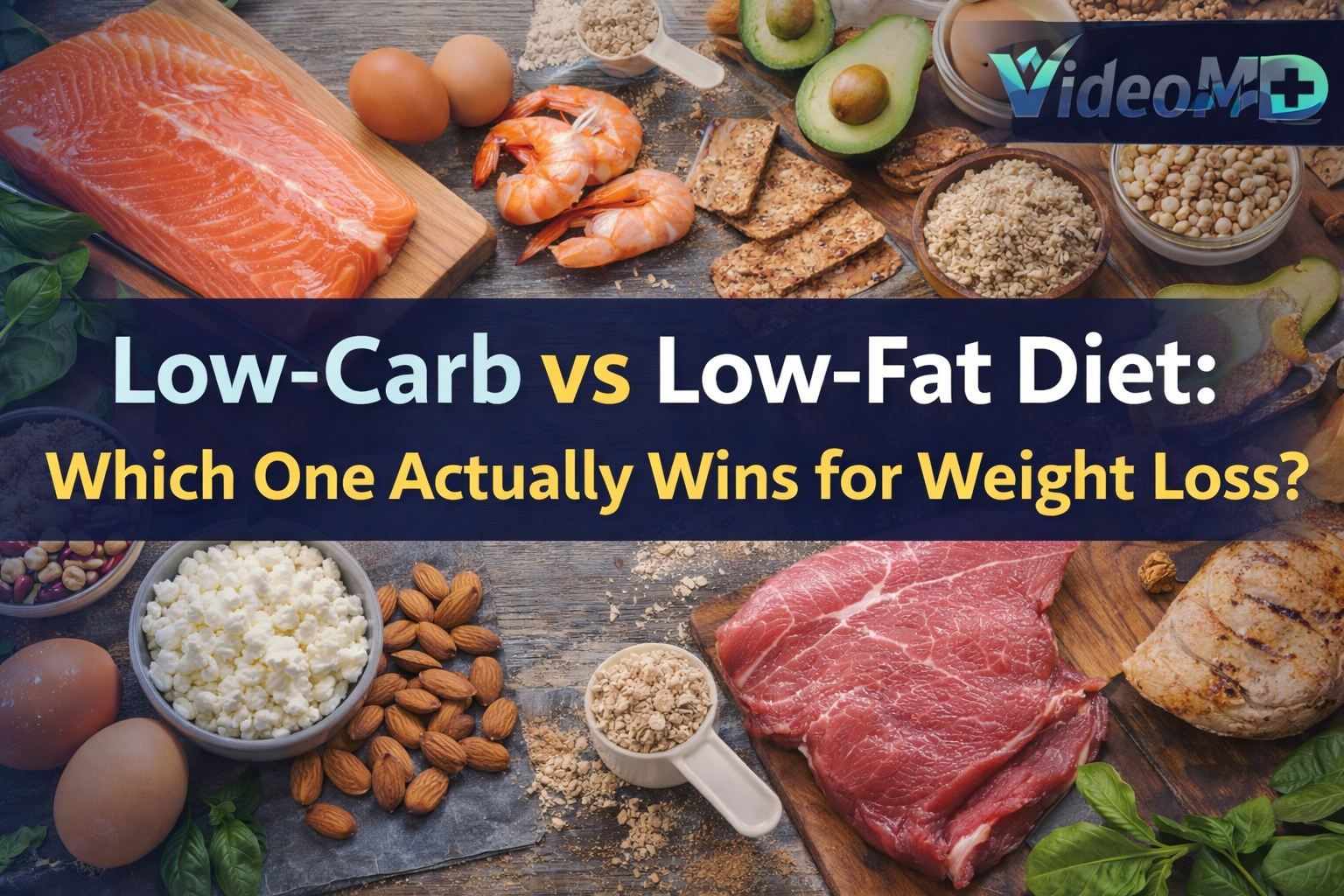
Low Carb vs Low Fat: What Does the Research Say?
Low-carbohydrate diets improve blood sugar more quickly in type 2 diabetes during the first few months—but this advantage typically disappears after about a year because strict carbohydrate restriction is difficult to maintain long-term.
Here’s what multiple clinical trials have found:
Blood Sugar Control (HbA1c)
Across studies, low-carb diets consistently demonstrated greater reductions in HbA1c and fasting glucose compared to low-fat diets. This makes them particularly effective in the short to medium term for bringing blood sugar under control quickly.
Weight Loss
Low carb diets also showed superior weight loss and increased HDL (good) cholesterol compared to low fat diets. For overweight diabetic patients, this dual benefit makes low carb an attractive starting point.
Cholesterol & Heart Risk
Low-carb diets significantly increased total cholesterol levels in the short to intermediate term—an important consideration for diabetes patients who already face elevated cardiovascular risk. Your doctor should monitor lipid panels closely if you follow a low-carb approach.
Long-Term Outcomes
Long-term success depends more on diet quality and consistency than on carbohydrate percentage alone. In other words — the best diet for your diabetes is the one you can actually stick to.
What Does a Doctor Actually Recommend?
This is where personalization becomes essential. In the low-carb vs. low-fat debate, a 2026 study published in JAMA suggests that food quality matters more than macronutrient ratios for long-term heart health.
A Video-MD doctor considers several factors before recommending a diet:
- Your current HbA1c level
- Your weight and BMI
- Your cholesterol and lipid profile
- Your medications (especially if you’re on insulin or GLP-1 drugs)
- Your lifestyle and food preferences
- Any other conditions like kidney disease or heart disease
Can an Online Doctor Prescribe Ozempic for Diabetes? — If diet alone isn’t controlling your blood sugar, GLP-1 medications may help. Find out if you’re eligible.
Which Diet Works Best With Diabetes Medications?
Both diets work alongside Metformin. Low carb may allow for faster dose reduction if blood sugar improves significantly — but always consult your doctor before adjusting medication.
If You Take GLP-1 Medications (Ozempic, Rybelsus)
GLP-1 medications already reduce appetite and slow digestion. Combining them with a low-carb or Mediterranean-style diet tends to produce the best outcomes for blood sugar and weight.
If You Take Insulin
From a physiological standpoint, reducing carbohydrate intake makes logical sense for insulin users—since carbohydrates are the primary driver of glucose spikes that require insulin coverage. However, insulin doses must be carefully adjusted when starting a low-carb diet to avoid hypoglycemia. Always make this transition under medical supervision.
Online Doctor Consultation for Type 2 Diabetes—Speak to a Video MD doctor about adjusting your diabetes medications alongside your new diet plan.
The 2026 Consensus: It's Not One or the Other
Many patients slowly increase carbohydrate intake again over time, so the initial metabolic improvements from low-carb diets tend to decline—making adherence the most important factor of all.
The most effective approach for most Type 2 diabetes patients in 2026 is:
- Start with low carb to achieve quick blood sugar reduction and weight loss
- Transition to a moderate carb, whole-food diet for long-term sustainability
- Monitor HbA1c every 3 months and adjust with your doctor
- Combine diet with medication if needed—diet alone isn’t always enough.
Foods to Eat — Regardless of Which Approach You Choose
Whether you go low carb or low fat, these foods are universally beneficial for diabetics:
- Non-starchy vegetables (leafy greens, broccoli, peppers)
- Fatty fish (salmon, mackerel, sardines)
- Legumes (lentils, chickpeas, black beans)
- Nuts and seeds (walnuts, flaxseeds, chia)
- Olive oil
- Whole, unprocessed foods over packaged alternatives
Foods to Avoid — For Both Diets
- Sugary drinks, juices, and sodas
- White bread, white rice, refined grains
- Processed snacks and biscuits
- Fast food and deep-fried items
- High-sugar sauces and condiments
Frequently Asked Questions
- Which diet lowers HbA1c faster — low carb or low fat? Low-carb diets typically lower HbA1c faster in the first 3–6 months. However, long-term outcomes are similar between the two when adherence is maintained.
- Can I reverse Type 2 diabetes with diet alone? In some cases, yes. Intensive dietary changes and significant calorie restriction have led to remission in some Type 2 diabetes patients, particularly in the early stages of the disease. Your doctor can assess whether remission is a realistic goal for your situation.
- Is a ketogenic diet safe for diabetics? A ketogenic diet (very low carb) can be effective for blood sugar control but carries risks—particularly for patients on insulin or certain medications. Always start a keto diet under medical supervision.
- How do I know which diet is right for me? The best way is to consult a doctor who understands your full health picture—including your blood tests, medications, and lifestyle. A one-size-fits-all approach doesn’t work for diabetes.
- Can an online doctor help me create a diabetes diet plan? Absolutely. A Video-MD doctor can review your blood work, current medications, and health goals to recommend the most appropriate dietary approach for your specific situation.
The Bottom Line
Low carb wins on short-term blood sugar control. Low fat wins on long-term adherence and heart safety. The real winner is whichever approach you can sustain—combined with the right medications if needed.
Don’t guess. Get a personalized diabetes diet plan from a licensed doctor who knows your numbers.
Book your online diabetes consultation today—Video-MD doctors are available 24/7.