Hyperglycemia (High Blood Sugar): Symptoms & Treatment
- Posted by yip
- Published on December 1, 2024
- Category Benefit
- No comments
Hyperglycemia is also referred to as high blood sugar, which is a condition that develops when the level of glucose in the blood exceeds its normal levels. This is one of the common concerns of individuals with diabetes, and it may come about slowly or abruptly, depending on the cause. This would be useful in preventing severe complications, as one understands the dangers to be alert and when to seek medical attention.
What Is Hyperglycemia?
Hyperglycemia occurs when the body fails to produce sufficient insulin or fails to utilize it. Insulin assists in the entrance of glucose into the blood and into the cells to generate energy. When such a process is disturbed, sugar accumulates in the blood.
The cause of high blood sugar can be missed drugs, illness, stress, hormonal disturbances, or diet.
Normal Symptoms of High Blood Sugar.
The symptoms usually progress gradually, and they can be mild initially. As the amount of glucose keeps increasing, the symptoms become more conspicuous.
Early Symptoms
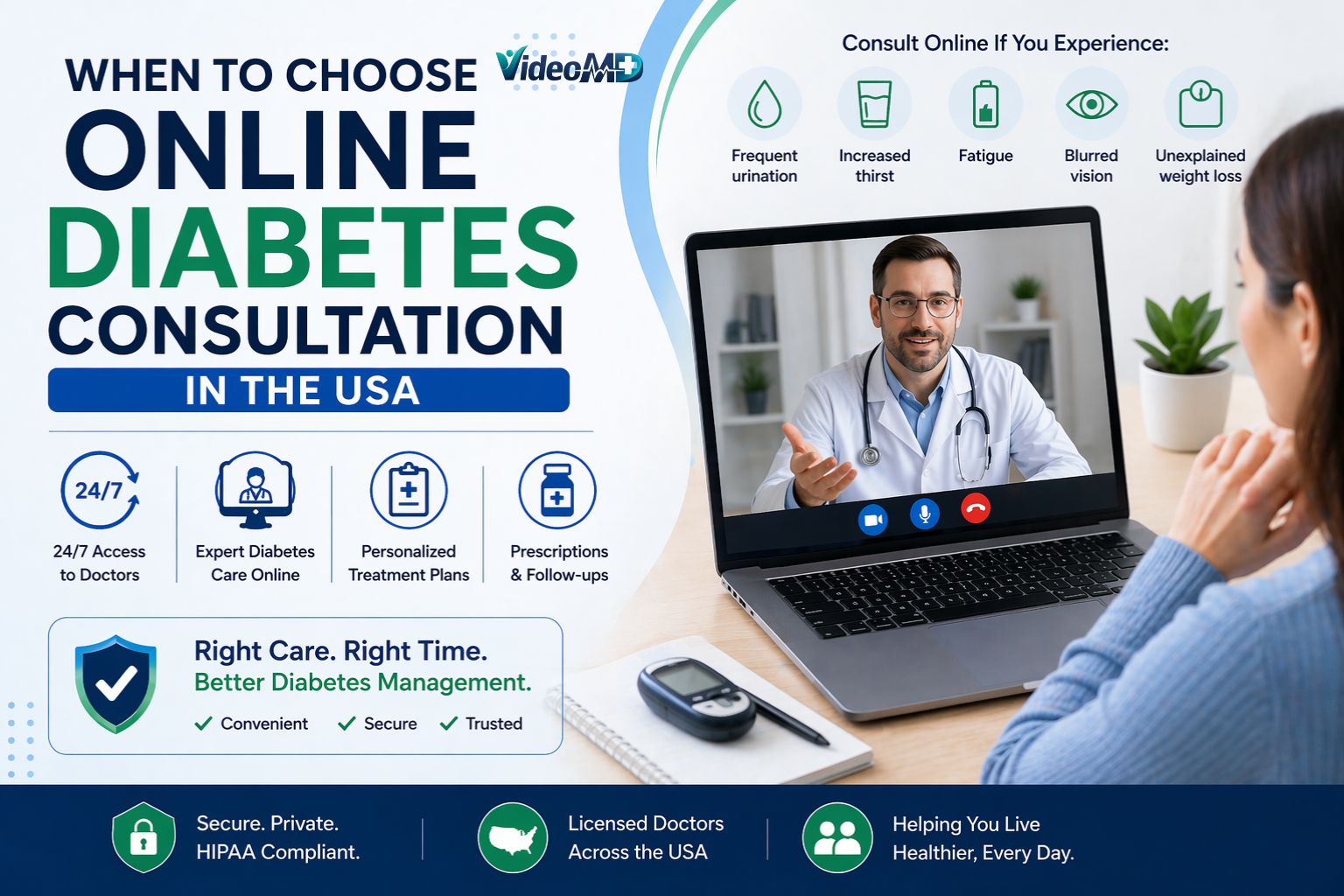
- Increased thirst
- Frequent urination
- Fatigue or weakness
- Blurred vision
- Headaches
Moderate to Severe Symptoms
- Unexplained weight loss
- Nausea or vomiting
- Difficulty concentrating
- Shortness of breath
- Fruity-smelling breath
If untreated, severe hyperglycemia can lead to dangerous complications requiring urgent medical care.
Causes of Hyperglycemia
Several everyday factors can raise blood sugar levels:
- Skipping insulin or diabetes medication
- Eating more carbohydrates than planned
- Physical inactivity
- Stress or infection
- Hormonal fluctuations
- Certain medications (like steroids)
Even people who carefully manage diabetes can occasionally experience high blood sugar due to illness or stress.
Learn more about high blood sugar symptoms from the American Diabetes Association
How High Blood Sugar Is Diagnosed
Doctors evaluate hyperglycemia using:
- Fasting blood glucose test
- HbA1c test (average blood sugar over 2–3 months)
- Random blood sugar test
- Continuous glucose monitor readings
Tracking patterns helps determine whether treatment adjustments are needed.
1. Medication Adjustment
Doctors may adjust insulin dosage or oral medications based on glucose trends.
2. Hydration
Drinking water helps the body remove excess glucose through urine.
3. Physical Activity
Light movement can help lower blood sugar levels (unless levels are extremely high).
4. Dietary Modifications
Reducing refined carbohydrates and balancing meals helps stabilize glucose.
5. Medical Evaluation
Persistent or severe hyperglycemia requires professional medical guidance.
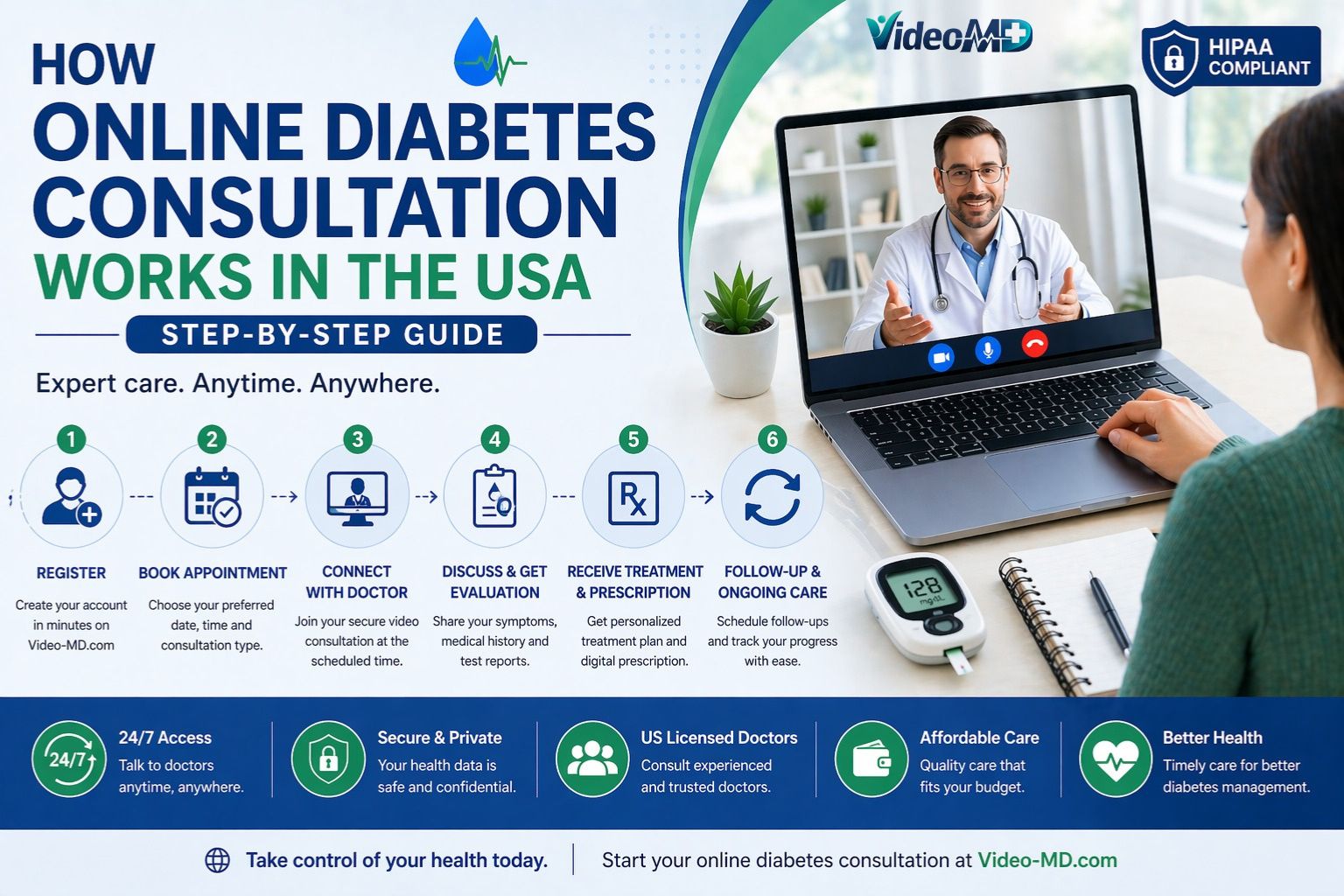
Timely care, such as virtual consultations, can be beneficial to many patients, prevent crises, and enhance control in the long term.
When support is accessible, diabetes care becomes easier to maintain.
Video-MD helps patients get guidance quickly and stay on track.
When to Seek Medical Help
Contact a healthcare provider if:
- Blood sugar stays elevated despite medication
- You experience vomiting or dehydration
- You notice confusion or difficulty breathing
- Symptoms worsen suddenly
Prompt treatment reduces the risk of complications such as diabetic ketoacidosis or hyperosmolar hyperglycemic state.
Preventing High Blood Sugar
Consistent management can significantly reduce episodes of hyperglycemia:
- Monitor glucose regularly
- Take medications as prescribed
- Follow a balanced meal plan
- Stay physically active
- Manage stress
- Attend regular medical checkups
Telehealth follow-ups are now being used by patients to discuss readings and change treatment immediately – it is much more convenient with busy schedules or continuous monitoring.
Conclusion:
Hyperglycemia is a treatable condition provided that it is identified in time and managed with consistent treatment. By following up with the red flags, checking the glucose levels, and adjusting the treatment in time, one will be able to avoid severe complications and ensure long-term health.
Video-MD provides convenient access to licensed physicians for patients who require prompt guidance on an issue or constant monitoring. Having assessed symptoms to properly readjust medication and create a personalized care plan, virtual consultations can make managing diabetes more familiar, predictable, and relaxing—at home.
References
- American Diabetes Association. Standards of Medical Care in Diabetes—Hyperglycemia management guidelines.
- Centers for Disease Control and Prevention. Information on diabetes symptoms and blood sugar control.
- National Institute of Diabetes and Digestive and Kidney Diseases. High blood glucose (hyperglycemia) overview and treatment recommendations.
- Mayo Clinic. Hyperglycemia causes, symptoms, and prevention guidance.
Share on :
Related Blogs

Sustainable Weightloss Habits You Can Actually Stick To
Let’s be honest, you’ve probably tried a diet that worked for two weeks and then completely fell apart. The real secret to weightloss isn’t willpower. It’s building habits so natural they barely feel like effort.

Diet vs Exercise for Weight Loss: Which One Actually Moves the Needle?
You’ve been hitting the gym every morning, but the scale just won’t budge. Sound familiar? The truth

Can an Online Skin Doctor Consultation Actually Help With Anti-Aging?
Your skin is changing — and your schedule is packed. What if the most effective anti-aging advice you’ve ever received was just a video call away?

Myths and Facts About Online Skin Doctor Consultation
You’ve probably heard at least one person say “you can’t really diagnose skin problems online”, and maybe that’s made you hesitate.

How Proper Nutrition Supports Healthy Hair Growth
Most people reach for a shampoo when their hair starts thinning but the real answer often starts at the dinner table. What

Privacy & Data Security in Online Skin Consultations
Your skin condition is personal the last thing you want is for that information to end up somewhere you didn’t agree to. Yet
Video MD
Personalized Video Consultations