Let’s be honest: “get rid of acne fast” is one of those phrases that sounds great in a Google search and almost impossible in real life. Acne doesn’t disappear overnight, no matter how many serums you stack on your bathroom shelf.
But here’s the good news. A virtual dermatologist for acne can shortcut a lot of the trial and error. Instead of guessing your way through drugstore aisles for months, you get a real diagnosis, a real treatment plan, and a realistic timeline, often within a day or two of booking an appointment.
This guide walks through what actually works, how long it takes, and the mistakes that quietly sabotage most at-home routines.
How Fast Can You Actually Get Rid of Acne?
Anyone promising a 3-day fix is selling you something. Acne forms under the skin before it ever shows up on the surface, so even the best treatment needs time to catch up.
Here’s a more honest breakdown:
- Mild breakouts (a few pimples here and there): 2–4 weeks with consistent over-the-counter or prescription topicals
- Moderate acne (regular breakouts, some scarring risk): 6–8 weeks to see real improvement
- Cystic or hormonal acne: 3–6 months, especially with oral medication
- Active flare-ups: Spot treatments can reduce redness and size in 24–48 hours, but won’t clear the underlying cause
The timeline depends less on the product and more on whether the treatment actually matches your acne type. This is exactly where a dermatologist’s input changes the game.
What a Virtual Dermatologist for Acne Will Recommend First
When you start an online consultation, the process is more thorough than most people expect. A good virtual dermatologist for acne will typically ask about:
- How long you’ve had breakouts and where they show up (jawline, forehead, back, etc.)
- Your current skincare and any products you’ve already tried
- Hormonal patterns, stress levels, and diet
- Photos of your skin in natural light
From there, they build a plan based on what’s actually causing your acne not just what’s visible.
The Most Common Prescription Treatments
This is the part people search for most: dermatologist acne advice almost always includes a mix of the following, depending on severity.
- Topical retinoids (like tretinoin or adapalene) speed up cell turnover and prevent clogged pores
- Benzoyl peroxide kills acne-causing bacteria, often paired with a retinoid
- Topical or oral antibiotics are used for short-term to calm inflammation
- Spironolactone is frequently prescribed for hormonal acne in adult women
- Isotretinoin (Accutane) is reserved for severe, treatment-resistant cystic acne
None of these is something you can self-diagnose your way into. That’s the real value of getting acne treatment online instead of guessing with over-the-counter swaps every few weeks.
When Online Acne Treatment Works Best
Virtual care isn’t right for every single case, but it covers more ground than people assume. It tends to work especially well for:
- Mild to moderate acne that hasn’t responded to OTC products
- Hormonal breakouts tied to your cycle
- People who need a prescription refill without an in-person visit
- Anyone who wants a second opinion before trying something stronger
If your acne is severe, cystic, or quickly becoming scarring, a dermatologist may still recommend an in-person follow-up, but you’ll usually get there faster by starting online.
Building a Skincare Routine That Actually Supports Treatment
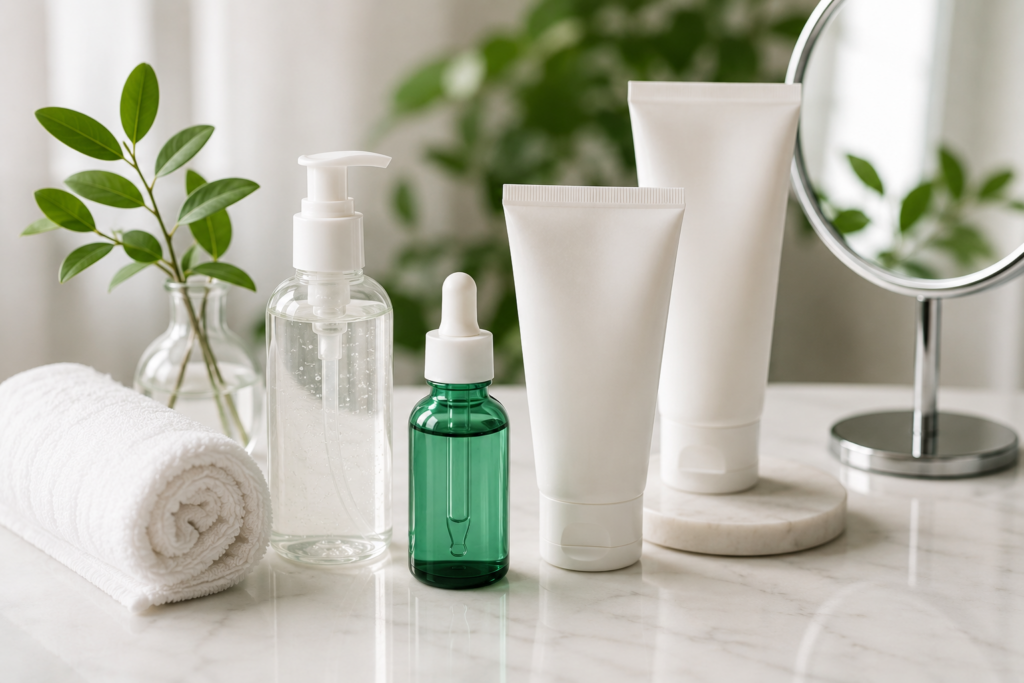
Prescription treatment works best alongside a simple, consistent routine. Not a 10-step one. A simple one.
Morning routine:
- Gentle, non-stripping cleanser
- Lightweight moisturizer
- Broad-spectrum SPF 30+ (non-negotiable if you’re using retinoids)
Evening routine:
- Cleanse again to remove sunscreen and buildup
- Apply prescribed treatment (retinoid, benzoyl peroxide, etc.)
- Moisturize to offset dryness or peeling
Quick tip: more products don’t equal faster results. Most dermatologists recommend introducing one new active ingredient at a time, waiting at least two weeks before adding anything else.
Common Mistakes That Slow Down Your Progress
If you’ve been fighting acne for months without much change, one of these is probably the reason:
- Switching products every 1–2 weeks, most actives need 4–6 weeks minimum to show results
- Over-washing or over-exfoliating damages the skin barrier and makes acne worse
- Picking or popping breakouts increases inflammation and scarring risk
- Skipping sunscreen while on retinoids leads to dark spots that outlast the acne itself
- Stopping treatment as soon as the skin clears acne often results in a return without a maintenance plan
- Relying only on spot treatments, they manage symptoms, not the root cause
Dermatologist Acne Advice: When to See a Professional
You don’t need to wait until your skin is in crisis mode to book a consultation. It’s worth reaching out if:
- Over-the-counter products haven’t worked after 8–10 weeks
- Breakouts are painful, deep, or leave scars
- Acne shows up in a hormonal pattern (same time each month)
- You’re considering isotretinoin or another prescription-strength option
A virtual visit is often the fastest way to get a real answer instead of another round of guessing.
Frequently Asked Questions
- How fast does a virtual dermatologist for acne actually work?
Most people get a treatment plan within 24–48 hours of their consultation, though visible skin improvement typically takes 4–8 weeks, depending on severity.
- Can a virtual dermatologist prescribe real medication?
Yes. Licensed online dermatologists can prescribe topical retinoids, antibiotics, hormonal treatments, and in some cases refer you for stronger options like isotretinoin.
- Is online acne treatment as effective as in-person visits?
For mild to moderate acne, studies and dermatologists’ consensus show comparable outcomes. Severe or treatment-resistant cases may still need in-person follow- up.
- What’s the fastest way to get rid of acne without prescriptions?
Consistent use of benzoyl peroxide or adapalene, paired with sun protection and a simple routine, is the closest you’ll get, but timelines still run in weeks, not days.
- Do I need a referral to see a virtual dermatologist?
Typically no. Most platforms let you book directly and start treatment without a referral from your primary care doctor.