How Remote Patient Monitoring Helps Control Blood Sugar Levels at Home
- Posted by Author
- Published on March 27, 2026
- Category Benefit
- No comments
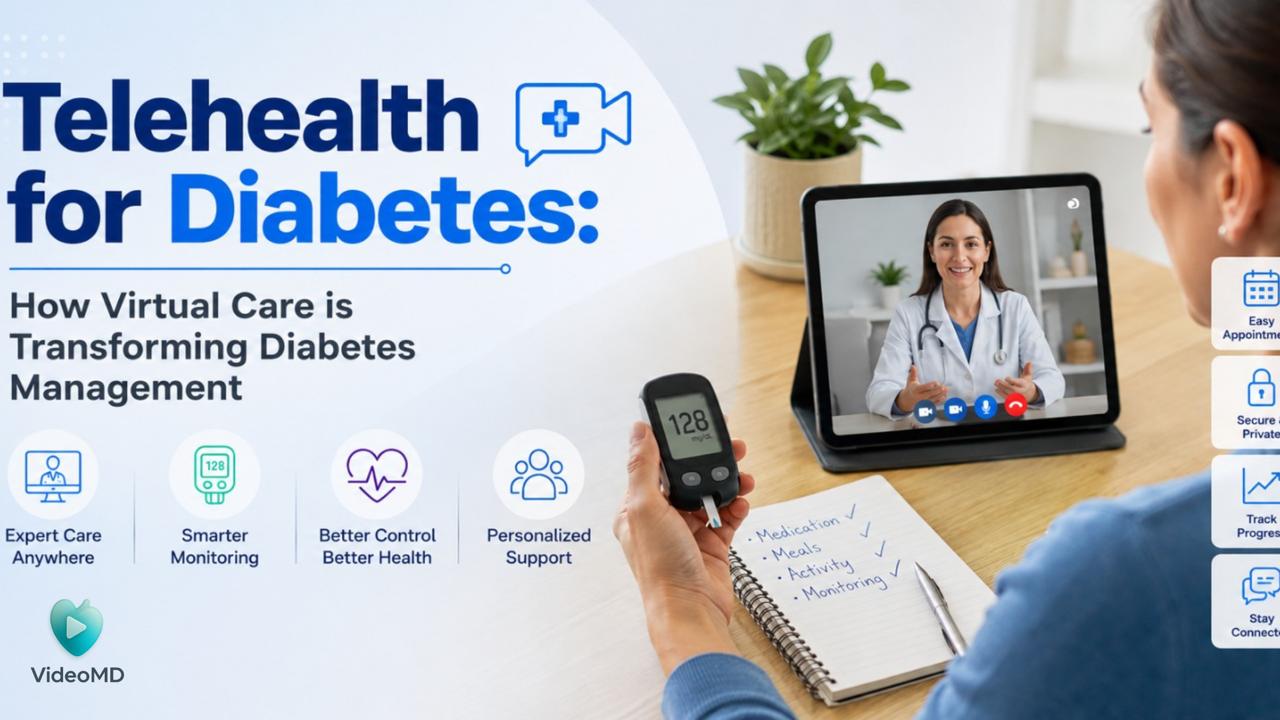
Effective management of diabetes involves regular checkups, medical advice, and lifestyle changes. With the advent of Remote Patient Monitoring (RPM) technology, patients are now able to monitor their blood sugar levels at home and have continuous communication with their healthcare providers without necessarily going to healthcare institutions.
Applications such as Video-MD are assisting patients with smarter and safer diabetes care involving real-time monitoring devices and online consulting.
What Is Remote Patient Monitoring for Diabetes?
Remote Patient Monitoring (RPM) allows doctors to track patient health data remotely using connected devices such as
- continuous glucose monitors (CGMs)
- smart glucometers
- wearable fitness trackers
- mobile health apps
These tools automatically share patient data with healthcare providers, allowing early intervention when glucose levels change.
Why Blood Sugar Monitoring Matters in Diabetes Care
Consistent tracking helps:
- Detect glucose spikes early
- prevent complications
- Adjust medications faster
- personalize nutrition plans
- improve long-term outcomes
According to the Centers for Disease Control and Prevention, regular glucose monitoring significantly reduces the risk of diabetes-related complications.
Benefits of Remote Patient Monitoring at Home
1. Real-Time Blood Sugar Tracking
RPM devices provide continuous updates about glucose levels, helping patients and doctors make faster treatment decisions.
Patients no longer need to wait for clinic visits to evaluate progress.
2. Faster Doctor Response to Health Changes
Doctors can quickly respond when they notice the following:
- abnormal glucose readings
- medication side effects
- Sudden lifestyle changes affecting sugar levels
This improves treatment safety and confidence.
Explore what same-day virtual diabetes care looks like here.
3. Personalized Diet and Lifestyle Guidance
Monitoring tools help doctors analyze patterns related to:
- meal timing
- physical activity
- sleep quality
- stress levels
This allows providers to recommend customized lifestyle adjustments.
4. Reduced Need for Clinic Visits
One of the biggest advantages of RPM is convenience.
Patients can:
- Consult doctors online
- Share glucose reports instantly
- receive treatment adjustments remotely
This saves time while improving treatment continuity.
How Video-MD Supports Remote Diabetes Monitoring
Platforms like Video-MD help patients manage diabetes more effectively through:
- virtual doctor consultations
- glucose tracking insights
- medication follow-ups
- nutrition planning support
- continuous remote supervision
This creates a complete digital diabetes care ecosystem accessible from home.
Who Benefits Most From Remote Monitoring?
Remote diabetes monitoring is especially helpful for:
- working professionals
- seniors managing chronic conditions
- rural patients with limited access to specialists
- newly diagnosed diabetes patients
- high-risk prediabetes individuals
According to the National Institute of Diabetes and Digestive and Kidney Diseases, continuous monitoring improves long-term diabetes control and treatment outcomes.
The Future of Diabetes Care Is Remote and Predictive
Remote patient monitoring is assisting in reshaping the care of diabetes to preventive rather than reactive care. Using telehealth solutions such as Video-MD, the patients will be able to get insights, a personalized program of treatment, and expert advice without going anywhere.
Smart monitoring tools are making diabetes care more connected, responsive, and patient-centered than ever before.
Share on :
Related Blogs

Intermittent Fasting for Weight Loss: Benefits, Risks & Real Results
Get Started Intermittent Fasting for Weight Loss: Benefits, Risks & Real Results Posted by Author Published on December 1, 2024 Category Benefit No comments What if you could lose weight , not by changing what you eat, but simply by changing when you eat? That’s exactly the idea behind intermittent fasting, and millions of people are quietly making it work. What Is Intermittent Fasting? (And How Does It Work?) Intermittent fasting (IF) is an eating pattern that cycles between periods of eating and fasting. It

Low-Carb vs Low-Fat Diet: Which One Actually Wins for Weight Loss?
If you’ve ever stood in the middle of a grocery aisle wondering whether to grab the full-fat yogurt or the low-carb wrap, you’re not alone, this is one of the most Googled diet questions

High-Protein Diets for Weight Loss: Are They Safe?
Trying to lose weight but confused about which diet actually works? High-protein diets are everywhere, but are they truly safe for long-term weight loss?

High-Protein Breakfast for Diabetics: Foods That Keep Blood Sugar Stable
A high-protein breakfast for diabetics is one of the simplest ways to manage blood sugar levels effectively. Including foods like eggs, paneer, yogurt, and nuts in your morning routine can help you stay energized and prevent unhealthy cravings.

Quick Breakfast Ideas for Diabetes Patients (Ready in 10 Minutes)
Managing diabetes doesn’t mean spending hours in the kitchen, especially in the morning. With the right ingredients, you can prepare a healthy, low-sugar breakfast in just 10 minutes that helps maintain stable blood sugar levels and keeps you energized throughout the day.

Calorie Deficit Explained: The Simplest Weightloss Guide You’ll Ever Read
You’ve heard “just eat in a calorie deficit” a hundred times , but nobody tells you what that actually looks like on a normal Tuesday with leftover pizza in the fridge. This is the guide.
Video MD
Personalized Video Consultations