The importance of conventional checkups for glucose is not enough to manage diabetes. Artificial intelligence (AI) is changing the current approach of managing diabetes today by preempting blood sugar spikes. This proactivity will enable the patients and doctors to make smarter choices and prevent complications at an early stage.
Current telehealth systems are finally integrating AI-based analytics, wearables, and AI diabetes monitoring systems to provide real-time information that enhances diabetes outcomes.
What Causes Blood Sugar Spikes?
Blood glucose levels can rise due to several daily factors:
- High-carbohydrate meals
- Stress levels
- Lack of physical activity
- Poor sleep quality
- Missed medications
- Hormonal fluctuations
Traditionally, patients responded after spikes occurred. AI changes this by predicting spikes before they happen.
How AI Predicts Blood Sugar Spikes
AI analyzes large sets of health data collected from the following:
- Continuous Glucose Monitors (CGMs)
- Wearable fitness trackers
- Diet logs
- Sleep tracking apps
- Medication schedules
Machine-learning algorithms then identify patterns and warn patients early.
Example prediction alerts include:
- “Glucose likely to rise after lunch.”
- “Risk of nighttime spike detected”
- “Exercise recommended within 30 minutes.”
This predictive support helps reduce complications and stabilize glucose levels faster.
Benefits of AI-Based Blood Sugar Prediction
1. Prevents Emergency Glucose Spikes
Predictive alerts allow early intervention before glucose reaches dangerous levels.
Patients can:
- adjust meals
- hydrate properly
- Take medication on time
- Add light activity
2. Supports Personalized Diabetes Care
Unlike traditional care plans, AI adapts recommendations based on the following:
- lifestyle habits
- eating patterns
- sleep cycles
- glucose response trends
This makes treatment smarter and more individualized.
3. Improves Remote Patient Monitoring Accuracy
Telehealth platforms use predictive analytics to monitor patients continuously without requiring clinic visits.
According to the Centers for Disease Control and Prevention, consistent glucose monitoring significantly improves diabetes outcomes and reduces long-term complications.
4. Helps Doctors Make Faster Clinical Decisions
Instead of reviewing occasional glucose readings, physicians can:
- monitor trends
- detect risk patterns
- Adjust treatment plans early
This improves both safety and treatment efficiency.
Role of Continuous Glucose Monitoring in AI Predictions
Continuous glucose monitoring devices provide real-time glucose data every few minutes.
AI systems analyze this data to detect the following:
- early spike signals
- insulin resistance patterns
- overnight glucose risks
- post-meal glucose responses
Organizations like the American Diabetes Association recommend continuous monitoring for better long-term diabetes control.
How Telehealth Platforms Use AI for Diabetes Monitoring
Modern telehealth ecosystems combine:
- wearable sensors
- predictive AI engines
- cloud-based monitoring dashboards
- virtual consultations
This allows healthcare providers to intervene before complications occur, not after.
Patients benefit from:
early alerts
personalized diet adjustments
medication reminders
continuous virtual supervision
How Video-MD Supports Smart Diabetes Monitoring
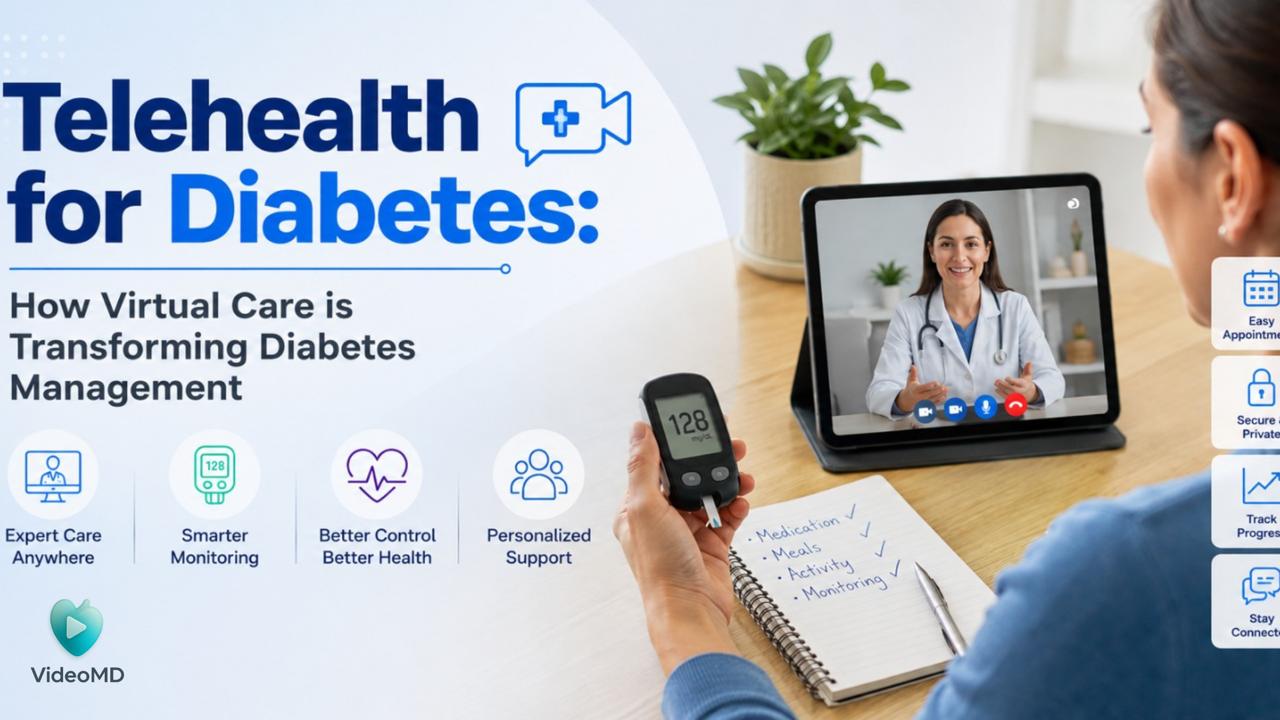
Telehealth systems such as Video-MD are assisting patients in receiving sophisticated services incorporating remote monitoring data with physician visits. Patients can have an opportunity to learn glucose patterns better and implement proactive lifestyle changes at home with the help of virtual care support and smart tracking devices.
With AI-based surveillance continuing to develop, predictive diabetes care is becoming more convenient with video-based AI systems like Video-MD becoming available to ordinary users.
Who Benefits Most From AI Glucose Prediction Tools?
These tools are especially useful for:
- Type 2 diabetes patients
- Prediabetes individuals
- Seniors managing glucose remotely
- patients with irregular glucose patterns
- people starting insulin therapy
Early prediction dramatically improves long-term outcomes.
The Future of Predictive Diabetes Care
AI will soon support:
- automated insulin adjustment suggestions
- personalized nutrition planning
- predictive complication alerts
- Lifestyle coaching through virtual assistants
Predictive healthcare is shifting diabetes care from reactive treatment to proactive prevention.