How AI Predicts Blood Sugar Changes Before They Become Dangerous
- Posted by Author
- Published on March 27, 2026
- Category Benefit
- No comments
Early detection of blood sugar changes is critical to the successful management of diabetes. Artificial intelligence (AI) is currently changing the process of managing diabetes by forecasting glucose changes before they escalate to dangerous threats to health.
Current telehealth applications, such as Video-MD, are smart-monitoring systems that enable patients to control complications by staying ahead of them by getting real-time and proactive adjustments to their treatment plan.
What Is Predictive AI in Diabetes Monitoring?
Predictive AI uses health data from monitoring devices to identify patterns and forecast future blood sugar changes.
These systems analyze:
- glucose trends
- meal timing
- sleep behavior
- activity levels
- medication schedules
Doctors can intervene early when AI in Diabetes Monitoring detects risk signals.
Why Predicting Blood Sugar Changes Matters
Sudden glucose spikes or drops may lead to complications like:
- fatigue
- dizziness
- blurred vision
- insulin imbalance risks
- long-term organ damage
According to the Centers for Disease Control and Prevention, early monitoring significantly reduces diabetes-related complications.
How AI Detects Risk Patterns Early
AI monitoring tools track subtle signals that humans might miss.
Examples include:
1. Identifying Nighttime Glucose Drops
Sleep-related glucose changes are difficult to notice without digital monitoring.
AI alerts doctors when nighttime instability appears.
2. Predicting Post-Meal Blood Sugar Spikes
Smart systems analyze how specific foods affect glucose levels and recommend adjustments.
3. Detecting Medication Response Patterns
AI evaluates how patients respond to treatment and identifies when adjustments may be needed.
This reduces the risk of long-term complications.
Benefits of AI-Based Blood Sugar Prediction at Home
Patients using predictive monitoring tools experience the following:
- earlier intervention
- fewer emergency visits
- improved glucose stability
- personalized diet guidance
- smarter medication timing
How Video-MD Supports Predictive Diabetes Monitoring
Telehealth platforms like Video-MD help patients benefit from predictive monitoring through:
- virtual doctor consultations
- smart glucose tracking support
- treatment adjustment recommendations
- lifestyle guidance insights
- continuous monitoring coordination
Patients receive proactive diabetes care without needing frequent clinic visits.
Who Benefits Most From Predictive Diabetes Monitoring?
AI-supported monitoring is especially helpful for:
- newly diagnosed diabetes patients
- patients using insulin therapy
- seniors managing chronic glucose instability
- busy professionals needing flexible care
- individuals at risk of complications
According to the National Institute of Diabetes and Digestive and Kidney Diseases, continuous glucose monitoring improves treatment decisions and long-term outcomes.
The Future of Diabetes Care Is Predictive and Preventive
The use of AI-based monitoring devices is turning diabetes care into a form of preventive healthcare instead of reactive treatment. With sites such as Video-MD that allow conducting a remote consultation and monitoring capabilities, patients can now manage diabetes remotely and safely at home.
Predictive monitoring helps patients stay one step ahead of diabetes complications.
Share on :
Related Blogs

A Guide On Preparing Your Child for a Telehealth Appointment
A practical, parent-friendly guide to making virtual pediatric visits easy, calm, and effective Telehealth for children pediatrics has completely changed the way families access medical care no more scrambling for parking, no waiting room meltdowns, and no pulling kids out of school for a quick check-in.
Can a Telehealth Doctor Prescribe Antibiotics? What You Actually Need to Know
You have a sore throat that has lasted four days. Or a burning sensation that tells you it is probably a UTI — again. Or a sinus infection that has settled in for the week. You know you need antibiotics. What you do not want is a two-week wait for a GP appointment or three hours in an urgent care waiting room.
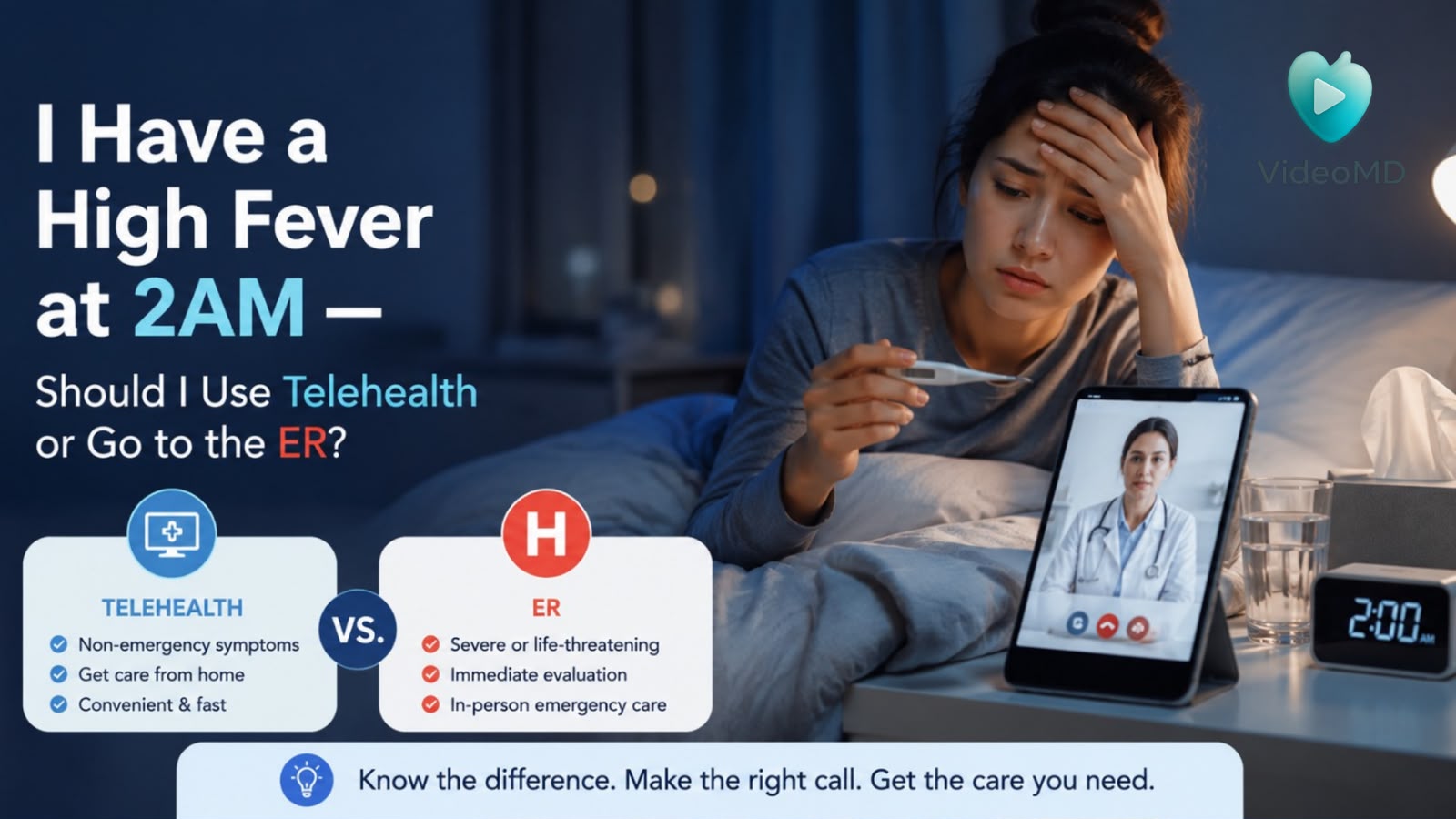
I Have a High Fever at 2 AM—Should I Use Telehealth or Go to the ER?
It is 2AM. Your temperature reads 103°F. You feel terrible — chills, aching, headache — and you are staring at the ceiling wondering whether you need to drag yourself to an emergency room or whether this is something that can wait for morning.
Complete Guide to Telehealth for Children: Virtual Pediatric Care Explained
Getting a sick child dressed, buckled into a car seat, and into a pediatrician’s office is nobody’s idea of a good morning. And yet, for decades, that was the only option.
When Can You Actually See a Doctor Online? A Specialty-by-Specialty Guide for Patients
You have a sore throat at 11PM. Your child woke up with a rash. You have been managing your blood pressure for years and just need a medication refill. In all of these situations, you might be wondering the same thing: do I really need to go in person for this?
Common Childhood Conditions Treated Through Telehealth For Children
Kids get sick constantly. One week it’s a runny nose, the next it’s an ear that won’t stop hurting. For parents, that often means scrambling to get an appointment, sitting in a waiting room full of other sneezing toddlers, and completely rearranging the day.
Video MD
Personalized Video Consultations