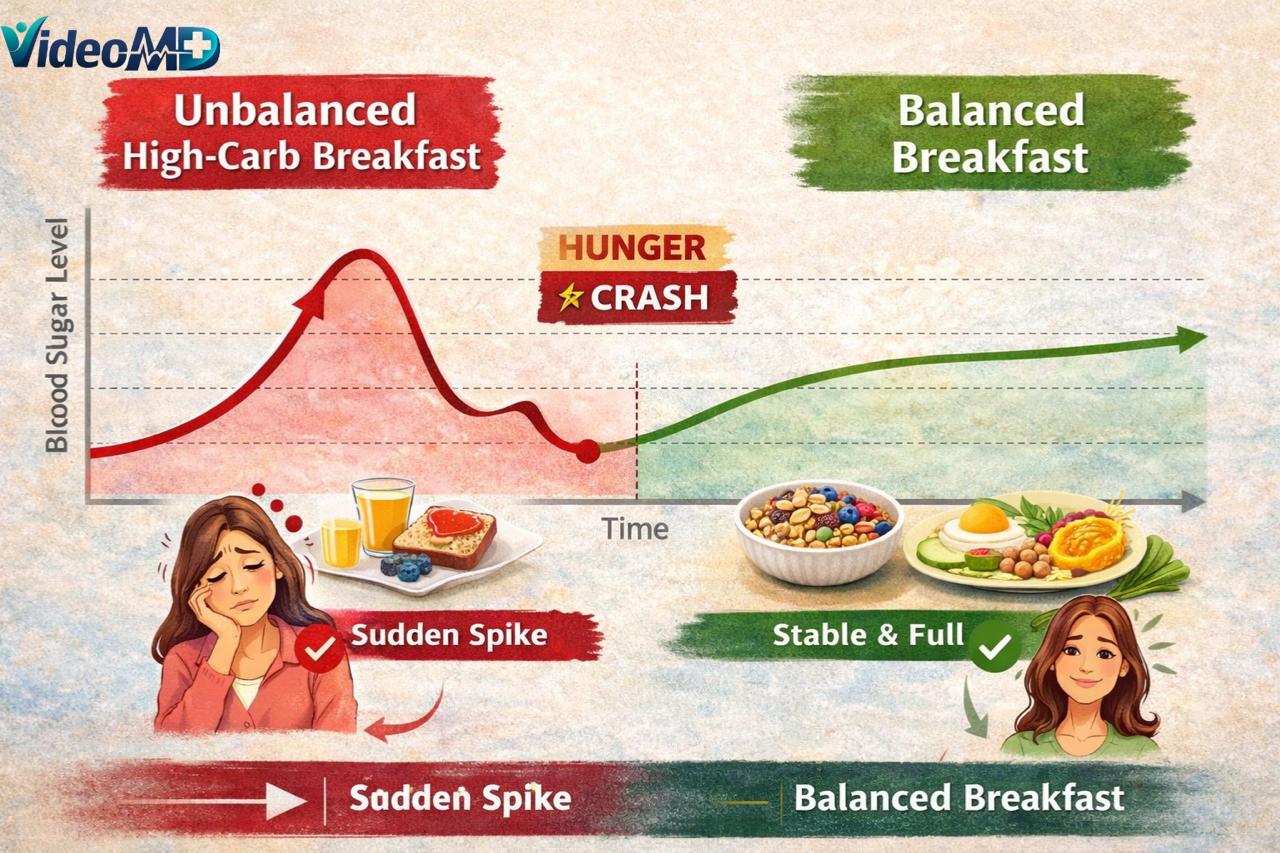
Prediabetes is a warning sign that your blood sugar levels are higher than normal but not yet in the diabetic range. The good news is that with the right lifestyle changes—especially diet—you can reverse prediabetes naturally and prevent it from progressing into type 2 diabetes.
A well-balanced diet focusing on whole foods, fiber, and controlled carbohydrate intake plays a crucial role in improving insulin sensitivity and maintaining healthy blood sugar levels.
What Is Prediabetes?
Prediabetes occurs when the body starts to develop insulin resistance, making it harder to regulate blood sugar levels effectively. Without proper intervention, it can lead to type 2 diabetes and other health complications.
According to the Centers for Disease Control and Prevention, lifestyle changes such as healthy eating and physical activity can significantly reduce the risk of developing diabetes.
Can Prediabetes Be Reversed Naturally?
Yes, in many cases, prediabetes can be reversed through:
- Healthy dietary habits
- Regular physical activity
- Weight management
- Consistent blood sugar monitoring
Making small but consistent changes can help bring blood sugar levels back to normal.
Key Principles of a Prediabetes Diet
1. Focus on Low-Glycemic-Index Foods
Choose foods that release sugar slowly into the bloodstream, such as whole grains, vegetables, and legumes.
2. Increase Fiber Intake
Fiber helps slow digestion and improves blood sugar control.
3. Include Lean Protein
Protein supports muscle health and helps control hunger.
4. Choose Healthy Fats
Include sources like nuts, seeds, and olive oil to support heart health.
5. Control Portion Sizes
Even healthy foods can affect blood sugar if consumed in excess.
Sample Diet Plan for Prediabetes
Breakfast
- Oatmeal with chia seeds and berries
- Green tea or black coffee (no sugar)
Mid-Morning Snack
- Apple with a handful of almonds
Lunch
- Grilled chicken or tofu salad
- Brown rice or whole wheat roti
- Lentil soup
Afternoon Snack
- Greek yogurt or buttermilk
Dinner
- Steamed vegetables
- Grilled fish or paneer
- Quinoa or multigrain roti
Foods to Eat for Prediabetes
- Whole grains (oats, brown rice, quinoa)
- Leafy green vegetables
- Legumes and lentils
- Nuts and seeds
- Low-glycemic fruits
Foods to Avoid
- Sugary drinks and processed foods
- Refined carbohydrates
- White bread and pastries
- Fried foods
- Excess sugar and desserts
Lifestyle Tips to Reverse Prediabetes
- Exercise regularly (at least 30 minutes daily)
- Maintain a healthy weight
- Avoid skipping meals
- Stay hydrated
- Monitor blood sugar levels
Final Thoughts
Prediabetes is a reversible condition if managed early with the right diet and lifestyle changes. By focusing on whole foods, balanced meals, and consistent habits, you can significantly improve your blood sugar levels and overall health.
For a detailed long-term strategy on managing blood sugar through structured meal planning, explore this complete diet plan for diabetes and prediabetes management. Taking proactive steps today can help you prevent diabetes and lead a healthier life.