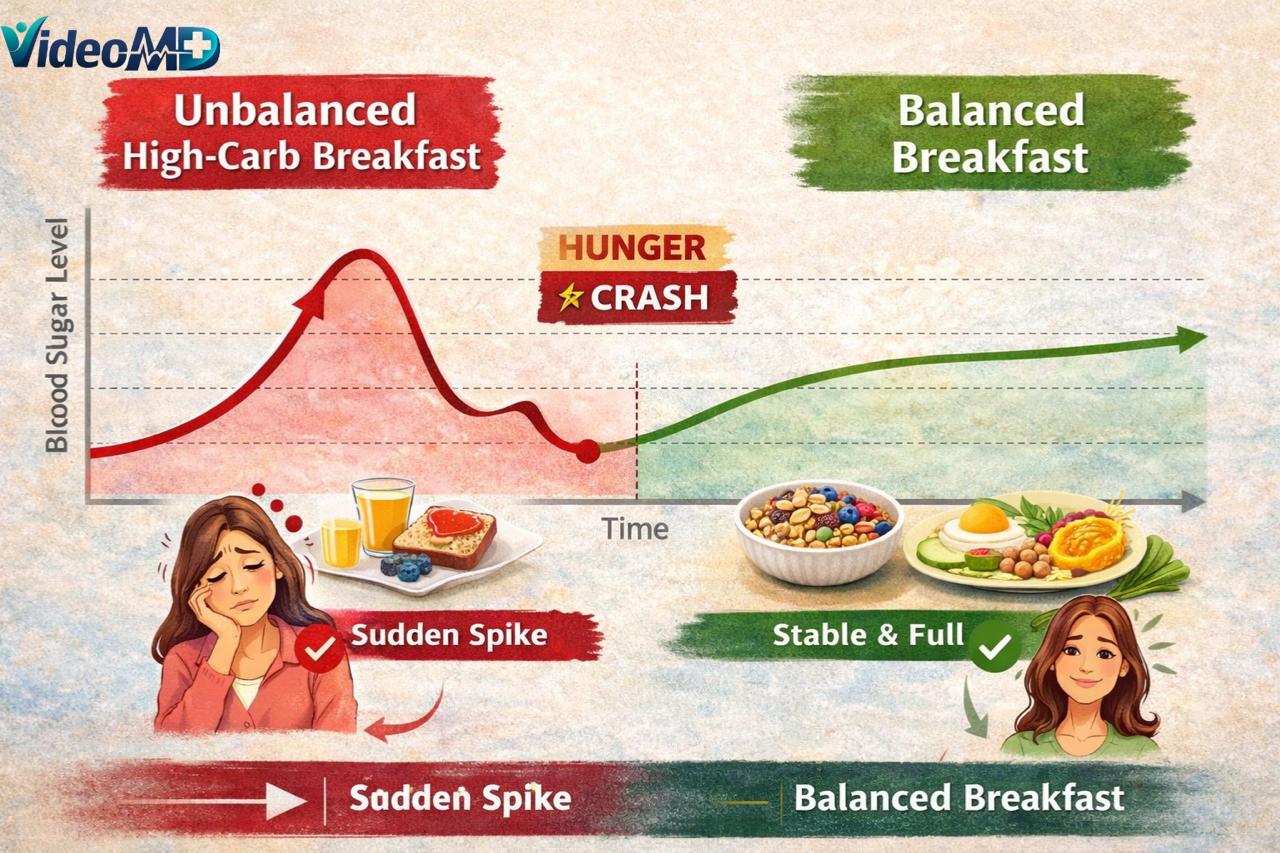
Treatment of diabetes needs to be a balanced process that involves frequent physical exercises, use of medication where necessary, and above all a well-planned diet program. Nutrition is very important for maintaining a normal blood sugar level and avoiding diabetes-related complications.
A diet that has been prescribed by a nutritionist is aimed at balanced meals, portion control, and selection of food that will help to maintain constant glucose levels throughout the day.
The reason is that, according to the American Diabetes Association, healthy eating is capable of enhancing blood sugar levels and the overall health condition of individuals with diabetes.
Why Diet Is Important for Diabetes Management
Food directly affects blood sugar levels, making dietary choices one of the most important aspects of diabetes care. A well-planned diabetic diet helps:
- Maintain stable blood sugar levels
- Reduce the risk of diabetes complications
- Improve heart health
- Support healthy weight management
- Increase overall energy levels
Nutritionists recommend focusing on whole foods, balanced macronutrients, and consistent meal timing to keep glucose levels stable.
Key Principles of a Diabetes-Friendly Diet
A good diet plan for diabetes focuses on nutrient-dense foods and limiting highly processed or sugary items.
Balanced Carbohydrates
Carbohydrates affect blood sugar more than other nutrients. Choosing complex carbohydrates such as whole grains, legumes, and vegetables can help maintain steady glucose levels.
High Fiber Intake
Fiber slows the absorption of sugar and improves blood sugar control. Foods rich in fiber include oats, beans, lentils, vegetables, and fruits.
Healthy Fats
Unsaturated fats support heart health, which is important for people with diabetes. Sources include avocados, nuts, seeds, and olive oil.
Lean Protein
Protein helps maintain muscle health and promotes satiety. Good options include fish, eggs, tofu, legumes, and skinless poultry.
Sample Daily Diet Plan for Diabetes
Here is an example of a balanced daily meal plan recommended by many nutritionists.
Breakfast
- Oatmeal topped with berries and chia seeds
- Boiled eggs or Greek yogurt
- Green tea or black coffee (without sugar)
Mid-Morning Snack
- A handful of almonds or walnuts
- One small apple
Lunch
- Grilled chicken or tofu salad with mixed vegetables
- Whole-grain roti or brown rice
- A bowl of lentil soup
Afternoon Snack
- Low-fat yogurt
- Carrot and cucumber sticks
Dinner
- Grilled fish or paneer
- Steamed vegetables such as broccoli or spinach
- Quinoa or whole-grain bread
Optional Evening Snack
- Herbal tea
- A small portion of roasted chickpeas
Foods to Include in a Diabetic Diet
Nutritionists often recommend adding the following foods to support better blood sugar control:
- Whole grains such as oats, quinoa, and brown rice
- Leafy green vegetables
- Legumes and lentils
- Nuts and seeds
- Fresh fruits with a low glycemic index
- Lean protein sources
These foods provide essential nutrients while helping maintain steady glucose levels.
Foods to Limit or Avoid
Certain foods can cause rapid spikes in blood sugar levels and should be consumed in moderation or avoided.
- Sugary drinks and sodas
- Processed snacks and sweets
- Refined carbohydrates like white bread and pastries
- Fried and high-fat processed foods
- Excessive alcohol
Replacing these items with healthier alternatives can make a significant difference in diabetes management.
Tips from Nutritionists for Managing Diabetes Through Diet
Nutrition experts often recommend the following strategies:
- Eat smaller meals more frequently
- Avoid skipping meals
- Monitor carbohydrate intake
- Stay hydrated throughout the day
- Combine carbohydrates with protein or fiber
Consistent dietary habits help maintain stable blood sugar levels and support long-term health.
Final Thoughts
One of the most effective methods to control diabetes and improve overall well-being is a well-organized diet plan. With the help of nutritious food, well-balanced meals, and conscious eating patterns, diabetics will be able to have better control over the level of sugar in their blood.
Telehealth applications such as Video-MD are simplifying the process of patients seeking the advice of doctors and nutritionists online in a convenient manner. Through virtual healthcare assistance, patients will be able to talk about their nutrition, track their own progress, and get personal advice without necessarily having to visit the clinic frequently.
A specialized diet plan, depending on your health condition and lifestyle, can be developed with the assistance of a qualified nutritionist or healthcare professional.