Common Mistakes in Diabetic Diet Plans
- Posted by Author
- Published on March 20, 2026
- Category Benefit
- No comments
Managing diabetes through diet is one of the most effective ways to maintain stable blood sugar levels. However, many people unknowingly make mistakes in their daily eating habits that can lead to fluctuations in glucose levels.
Understanding these common errors can help you make smarter dietary choices and improve long-term health outcomes.
1. Skipping Meals
Skipping meals may seem like a good way to control calorie intake, but it can actually lead to sudden blood sugar drops followed by spikes.
Why it’s a mistake:
It disrupts your body’s glucose balance and may lead to overeating later.
What to do instead:
Eat smaller, balanced meals at regular intervals.
Consistency in meal timing is just as important as the food you eat when managing diabetes.
2. Eating Too Many Refined Carbohydrates
Foods like white bread, pastries, and sugary snacks can cause rapid spikes in blood sugar levels.
Why it’s a mistake:
Refined carbs are quickly absorbed, leading to unstable glucose levels.
What to do instead:
Choose whole grains, legumes, and high-fiber foods.
Not all carbs are bad—choosing the right ones makes all the difference in blood sugar control.
3. Ignoring Portion Sizes
Even healthy foods can raise blood sugar if consumed in large quantities.
Why it’s a mistake:
Overeating increases calorie intake and affects glucose levels.
What to do instead:
Practice portion control and balanced meal planning.
Managing diabetes is not just about what you eat, but also about how much you eat.
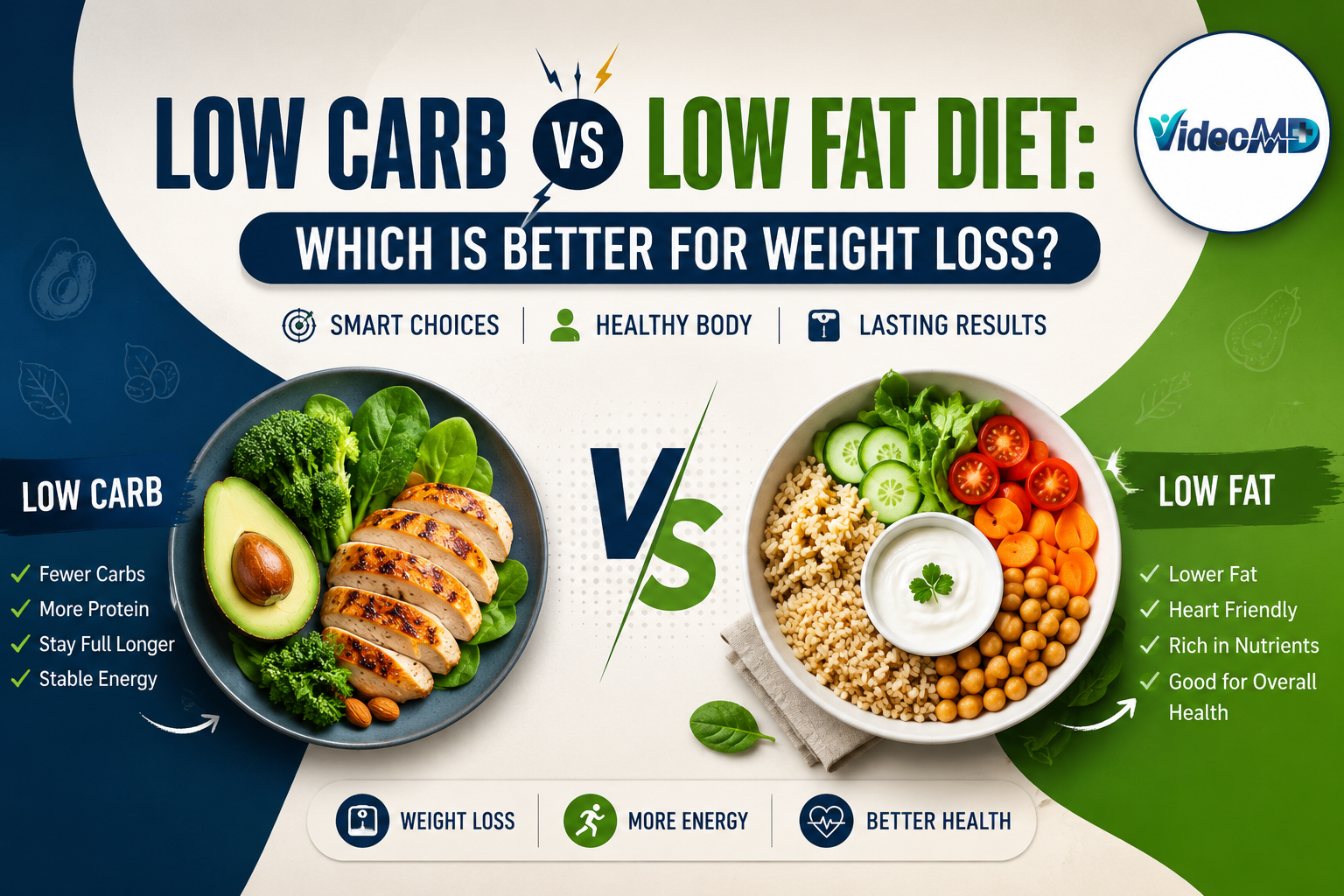
4. Avoiding All Fats
Many people think cutting out fats completely is beneficial, but healthy fats are essential for overall health.
Why it’s a mistake:
Lack of healthy fats can affect heart health and satiety.
What to do instead:
Include healthy fats like nuts, seeds, and olive oil.
5. Not Getting Enough Fiber
Low-fiber diets can lead to poor blood sugar control.
Why it’s a mistake:
Fiber slows down sugar absorption and helps stabilize glucose levels.
What to do instead:
Include fruits, vegetables, whole grains, and legumes.
Fiber acts as a natural regulator, helping keep blood sugar levels steady.
6. Relying Too Much on “Diabetic” Packaged Foods
Many packaged foods labeled as “diabetic-friendly” can still contain hidden sugars and unhealthy ingredients.
Why it’s a mistake:
These foods can be misleading and may not support proper diabetes management.
What to do instead:
Focus on whole, unprocessed foods.
7. Not Monitoring Blood Sugar Regularly
Diet and blood sugar levels are closely connected, and not tracking them can lead to poor management.
Why it’s a mistake:
Without monitoring, it’s hard to understand how foods affect your body.
What to do instead:
Track your glucose levels and adjust your diet accordingly.
Why Avoiding These Mistakes Matters
Avoiding these common mistakes can significantly improve blood sugar control and reduce the risk of complications. A well-balanced diet combined with consistent habits is key to managing diabetes effectively.
According to the American Diabetes Association, proper nutrition and regular monitoring are essential components of diabetes care.
Final Thoughts
A successful diabetic diet is not about strict restrictions but about making informed and balanced choices. By avoiding common mistakes and focusing on consistency, portion control, and nutrient-rich foods, you can better manage your condition.
For a complete long-term strategy and structured meal plan for diabetes management, check out this detailed diet plan for diabetes recommended by nutritionists.
Small changes in daily eating habits can lead to significant improvements in diabetes management over time.
Share on :
Related Blogs

Plant-Based Diet for Weight Loss: How Eating More Greens Helps You
What if the most powerful weight loss tool wasn’t a pill, a program, or a punishing gym routine but your plate? A plant-based diet is quietly becoming one

Ozempic for Weight Loss: What It Really Does to Your Body
Everyone seems to be talking about Ozempic, but is it the real deal, or just another overhyped shortcut dressed up as a medical breakthrough

Natural Weight Loss vs Medical Weight Loss: Which Diet Path Is Actually Right for You?
You’ve cleaned up your diet, cut back on sugar, started walking every day, and the scale still hasn’t moved the way you hoped.

Online Weight Loss Consultations: Do They Really Work for Your Diet?
You’ve tried the diets, the apps, and maybe even the fad detoxes , but what if the real missing piece was a real person guiding your weight loss

Fat Loss vs Weight Loss: Key Differences Explained
Most people step on a scale and think losing weight is the goal, but what if the scale is actually lying to you? Understanding the difference between

How to Stay Active With a Desk Job: A Guide to Movement, Diet & Weight Loss
Most of us don’t realise that sitting for eight hours straight is doing more damage than one gym session can undo. But here’s the thing,
Video MD
Personalized Video Consultations