If your teenager has tried every face wash on the drugstore shelf and their skin still won’t cooperate, you’re not alone. Acne hits almost 85% of teens at some point, and for a lot of families, getting to an in-person dermatologist isn’t easy. School schedules, sports practice, and long waitlists it adds up fast.
That’s where online acne treatment for teens comes in. But does it actually work, or is it just a convenient shortcut that skips real care? Let’s break down what telehealth dermatology can (and can’t) do for teen skin.
What Is Telehealth Acne Treatment, Anyway?
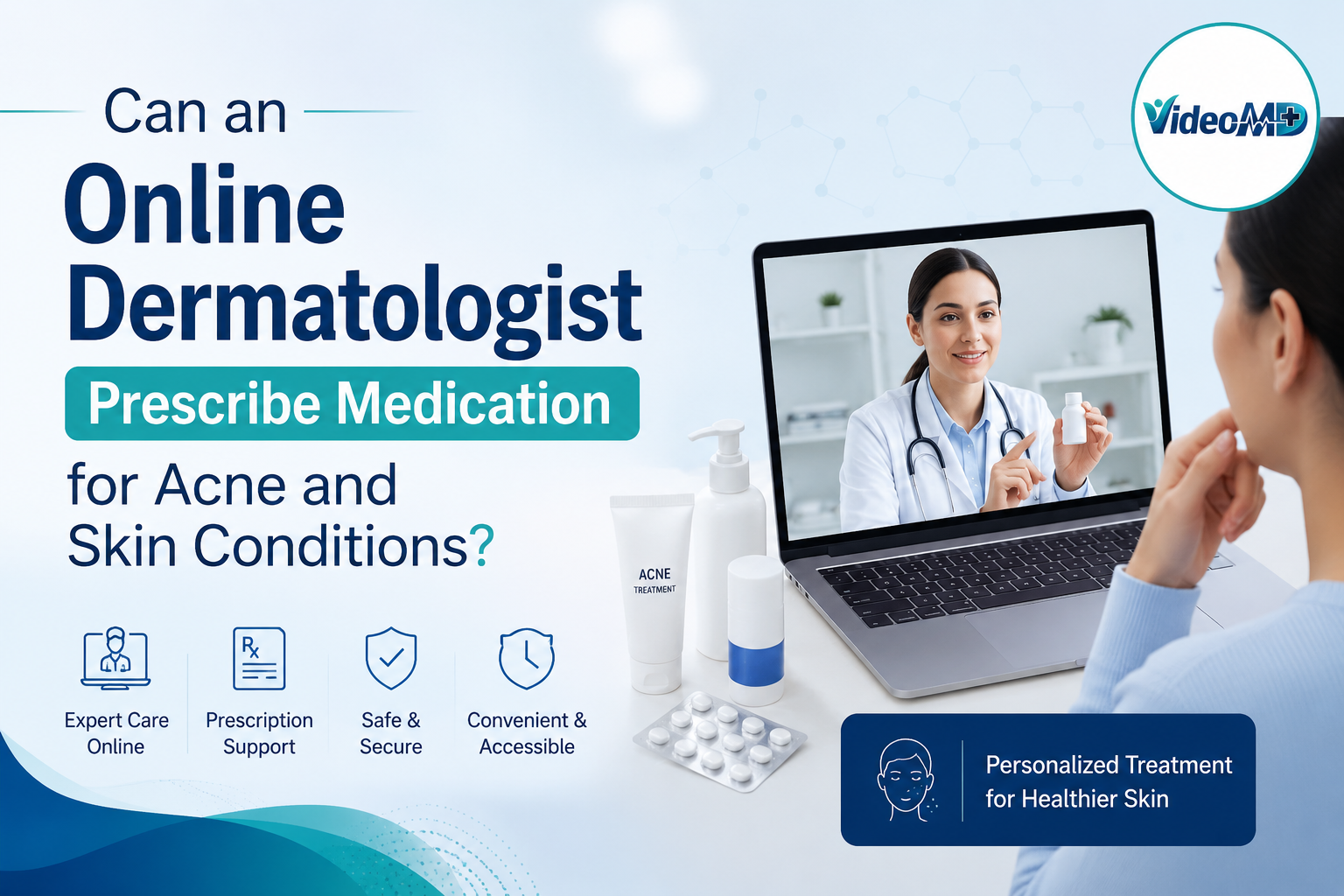
Telehealth acne treatment means your teen connects with a licensed dermatology provider through video chat, photos, or a detailed questionnaire, no waiting room required. A virtual dermatologist for hormonal acne reviews the skin concern, asks about history and lifestyle, and builds a treatment plan from there.
Most platforms work like this:
- Your teen fills out a skin history form (triggers, products tried, family history)
- They upload a few clear photos of the affected areas
- A board-certified dermatologist or provider reviews everything
- They get a personalised plan, often within 24 hours
- Prescriptions, if needed, go straight to a local pharmacy
It’s fast, private, and removes a lot of the awkwardness teens feel about discussing their skin face-to-face with a stranger.
Is Telehealth Effective for Teen Acne?
Here’s the honest answer: yes, for most cases of mild to moderate acne, telehealth is genuinely effective. Dermatology is one of the most visual specialities in medicine, which actually makes it well-suited to remote care. A trained eye can spot whiteheads, hormonal jawline breakouts, or inflammatory cysts just as easily through a clear photo as in person.
What the Research Says
Studies comparing teledermatology to traditional visits have found similar diagnostic accuracy for common acne types, along with high patient satisfaction scores. Teens, in particular, tend to respond well to the format it feels less clinical and more like texting a knowledgeable friend who happens to have a medical license.
That said, effectiveness depends heavily on the severity of the breakout and how well the provider can actually see the skin. Good lighting and unfiltered photos matter more than people expect.
How a Virtual Dermatologist for Hormonal Acne Treats Teens
Hormonal acne is incredibly common during puberty, thanks to shifting androgen levels that ramp up oil production. An online dermatologist for hormonal acne usually starts conservatively and adjusts based on progress.
Common Treatments Recommended Online
- Topical retinoids to keep pores clear and speed up cell turnover
- Benzoyl peroxide for reducing acne-causing bacteria
- Topical or oral antibiotics for inflammatory breakouts
- Spironolactone (for older teens, when hormonally appropriate) to address excess oil production
- Combination birth control in select cases, prescribed in coordination with a primary care provider
A skin-specific routine, gentle cleanser, non-comedogenic moisturiser, and daily SPF almost always get paired with whatever prescription is recommended.
Benefits of Hormonal Acne Treatment Online
Parents and teens both tend to appreciate the same handful of perks:
- No waitlists. Many dermatology offices book out 6-8 weeks. Telehealth visits often happen the same day.
- Less embarrassment. Teens are usually more open about their skin when they’re not sitting under fluorescent office lighting.
- Consistent follow-ups. Quick check-ins make it easier to track what’s actually working.
- Lower cost overall. Fewer missed school days, no parking, no taking time off work to drive across town.
- Access for rural families. If the nearest dermatologist is two hours away, virtual acne treatment closes that gap completely.
When Telehealth Might Not Be Enough
Telehealth isn’t a perfect fit for every situation, and a good provider will say so. In-person care is usually the better call for:
- Severe cystic or nodular acne that’s scarring the skin
- Acne that hasn’t responded to two or more telehealth-prescribed treatments
- Suspected underlying conditions like PCOS that need bloodwork
- Procedures such as cortisone injections or extractions
A telehealth dermatologist for acne should always be willing to refer your teen to an in-person specialist if the case calls for it. That referral pathway is actually a good sign the platform is being responsible, not a failure of the system.
How to Prepare for a Virtual Acne Treatment Appointment
A little prep goes a long way toward getting an accurate, useful plan. Quick tips before the appointment:
- Take photos in natural daylight, without makeup or filters
- Capture multiple angles: forehead, cheeks, jawline, chest/back if relevant
- List any products currently in the routine, including over-the-counter treatments already tried
- Note timing patterns (worse around periods, stress, certain foods)
- Have insurance or pharmacy info ready in case a prescription is sent
How to Prepare for a Virtual Acne Treatment Appointment
| | Virtual Dermatologist | In-Person Visit |
Wait time | Often same-day | Weeks to months |
Cost | Generally lower | Higher with copays/travel |
Best for | Mild-moderate acne | Severe or treatment-resistant acne |
Follow-up ease | Very convenient | Requires another office visit |
Physical exams/procedures | Not available | Available |
Frequently Asked Questions
Is a virtual dermatologist for acne as good as seeing one in person?
For mild to moderate acne, yes, accuracy and outcomes are comparable. Severe or scarring acne typically still needs an in-person exam.
Can a telehealth dermatologist for acne actually prescribe medication?
Yes. Licensed providers can prescribe topical treatments, oral antibiotics, and, in some cases, hormonal medications, sent directly to a local pharmacy.
How fast does hormonal acne treatment online start working?
Most teens notice improvement within 6-8 weeks, which is consistent with timelines for in-person treatment, too. Acne medication generally takes that long to show real results.
Is virtual dermatologist acne treatment covered by insurance?
Many platforms accept insurance or offer flat-rate visits comparable to a standard copay. It’s worth checking before booking.
What if my teen’s acne doesn’t improve with online treatment?
A good provider will adjust the plan or escalate to an in-person referral if there’s no progress after a reasonable trial period.