Let’s be honest about something. Most people who struggle with weight don’t lack motivation. They lack access.
Access to a doctor who takes obesity seriously as a medical condition. Access to specialist care that isn’t a two-hour drive away. Access to appointments that don’t require taking half a day off work, arranging childcare, and sitting in a waiting room next to a stack of magazines from 2019.
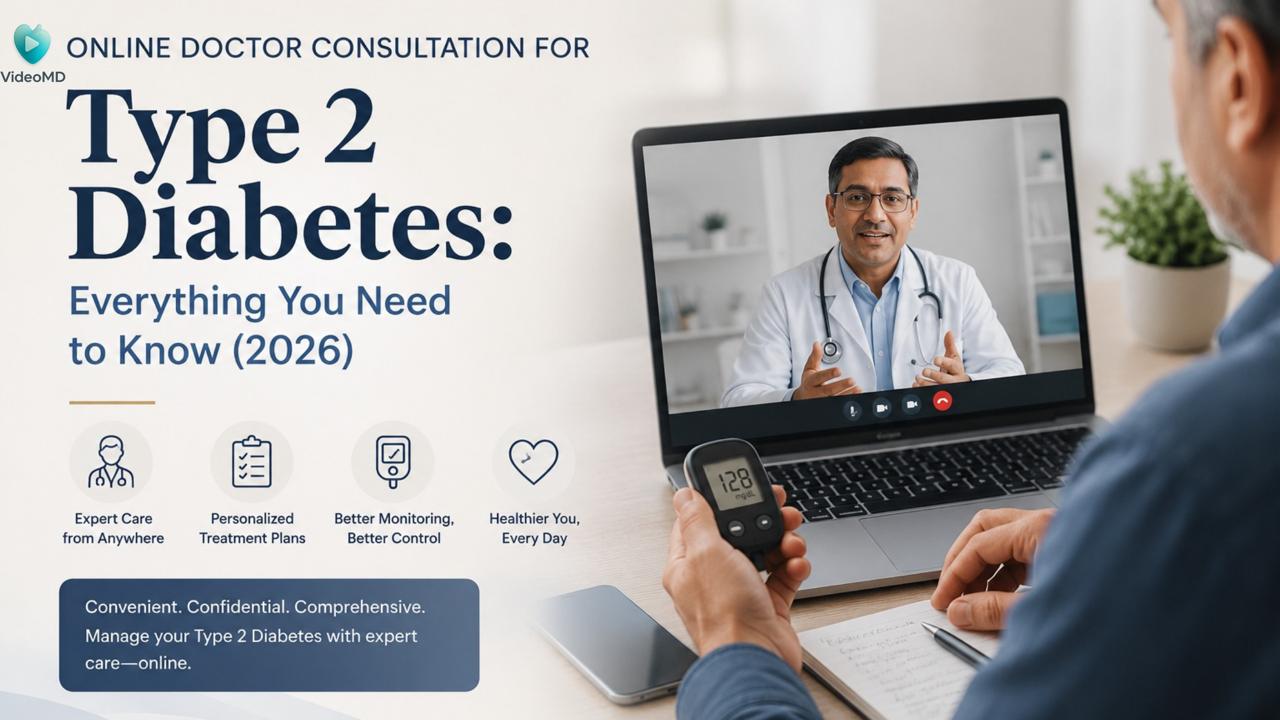
That’s the quiet revolution happening in obesity medicine right now. A virtual weight loss doctor can offer the same caliber of clinical care as an in-person specialist and in several important ways, the experience is actually better. Not marginally better. Meaningfully, practically better for the way most people actually live.
Here are seven reasons why more patients are making the switch, and staying switched.
You Can Access an Obesity Medicine Specialist Without Geography Getting in the Way
In-person obesity medicine is a specialist service. Board-certified obesity medicine specialist online providers are not evenly distributed across the country. They cluster in major cities, near academic medical centers, in wealthy suburban corridors. If you happen to live in one of those places, great. If you don’t and most Americans don’t getting to a qualified specialist can mean a long drive, a long wait, or both.
Virtual care eliminates that entirely. Your zip code no longer determines whether you can work with a physician who has dedicated their career to understanding weight as a chronic medical condition.
For people in rural areas especially, this isn’t a convenience upgrade. It’s the difference between accessing appropriate medical care and not accessing it at all.
It's Increasingly Covered by Insurance Including for Ongoing Care
Here’s the question everyone has: is a virtual weight loss doctor covered by insurance? The answer, more often than people expect, is yes.
Since telehealth parity laws expanded across most states, insurers are required to cover virtual visits at the same rate as equivalent in-person appointments. That means if a consultation with a weight management physician is a covered service under your plan which it typically is when there’s a documented obesity diagnosis or related comorbidity the telehealth version is covered too.
Beyond the initial consultation, ongoing follow-up visits, medication management appointments, and lab reviews through an online weight loss clinic often fall under the same coverage framework. The key is medical necessity documentation. When your provider charts your diagnosis properly and connects your treatment to clinical need, the coverage case is much stronger.
It’s worth calling your insurer directly and asking specifically about telehealth coverage for obesity management but don’t be surprised if the answer is better than you expected.
Appointments Actually Fit Into Your Real Life
There’s a reason people cancel follow-up appointments with in-person specialists. It’s not that they don’t care about their health. It’s that showing up requires coordination driving, parking, waiting, then more waiting, then a ten-minute conversation, then driving back. For a monthly check-in, that’s a significant ask on someone already managing work, family, and everything else.
Virtual visits remove almost all of that friction. Your appointment with an online doctor for weight loss happens wherever you are a lunch break, a school pickup line, a quiet corner of your house at 7am. When follow-up care is this accessible, people actually follow up.
And follow-up is where weight loss treatment either succeeds or quietly falls apart. Consistency of contact with your provider matters. Anything that makes it easier to maintain that consistency is clinically meaningful, not just convenient.
You're More Likely to Be Honest in Your Own Environment
This one doesn’t get talked about enough. Medical environments create a particular kind of performance anxiety. People minimize, round numbers favorably, and present the most flattering version of their recent weeks when they’re sitting across from a doctor in a white coat.
At home, that dynamic shifts. Patients report feeling more comfortable being candid about setbacks, emotional eating, poor sleep, or missed medication doses when they’re in a familiar environment talking to their virtual weight loss doctor through a screen. That honesty produces better clinical information, which produces better care.
Weight management is as psychological as it is biological. Any barrier to open communication is a barrier to effective treatment.
You Get Access to the Same Medications and Lab-Based Protocols
There’s a persistent misconception that virtual care means lesser care that you can’t get “real” treatment through a screen. That’s simply not accurate for weight management.
A licensed online doctor for weight loss working through a legitimate platform can prescribe the full range of FDA-approved obesity medications, including GLP-1 receptor agonists like semaglutide (Wegovy) and tirzepatide (Zepbound). They can order comprehensive lab work metabolic panels, thyroid function, insulin markers and use those results to inform your treatment plan exactly the way an in-person provider would.
The clinical tools are the same. The prescribing authority is the same. What’s different is that you don’t have to drive anywhere to access them.
Continuity of Care Is Easier to Maintain
One of the most underappreciated challenges in long-term weight management is provider continuity. When care depends on in-person visits, life events travel, a busy season at work, a minor illness become reasons to skip appointments. Skipped appointments become gaps in treatment. Gaps in treatment become the space where progress reverses.
Virtual platforms are built for continuity in a way in-person practices simply aren’t. Asynchronous messaging, flexible scheduling, and the ability to connect with your obesity medicine specialist online from anywhere in the country mean your care doesn’t pause every time your life gets complicated.
Some platforms also allow multiple care team members a physician, a registered dietitian, a health coach to stay in sync on your case without requiring you to physically visit multiple offices. That coordination, done well, is genuinely hard to replicate in a traditional outpatient setting.
The Stigma Factor Is Real, and Virtual Care Addresses It
This benefit is last on the list but shouldn’t be treated as least important. Weight stigma in clinical settings is well-documented. Patients with obesity are more likely to delay or avoid medical care because of prior experiences with dismissive providers, uncomfortable examination tables, waiting room environments, and the subtle or not so subtle judgment that sometimes accompanies in-person care.
Virtual visits change that environment significantly. You’re not navigating a waiting room. You’re not being weighed in a semi-public hallway. You’re not being observed in a clinical space that may not have been designed with your body in mind.
The result is that more people seek care sooner, engage more openly, and stay in treatment longer. A good online weight loss clinic treats obesity as what it is: a chronic medical condition deserving of the same clinical respect as diabetes or hypertension. When the environment reinforces that message from the first touchpoint, it matters.
The Bottom Line
The case for working with a virtual weight loss doctor isn’t really about technology. It’s about removing the barriers geographic, logistical, financial, psychological that have kept people with obesity from getting the medical care they need and deserve.